
Using Heart Rate Monitors Safely During Prenatal Workouts with High Blood Pressure
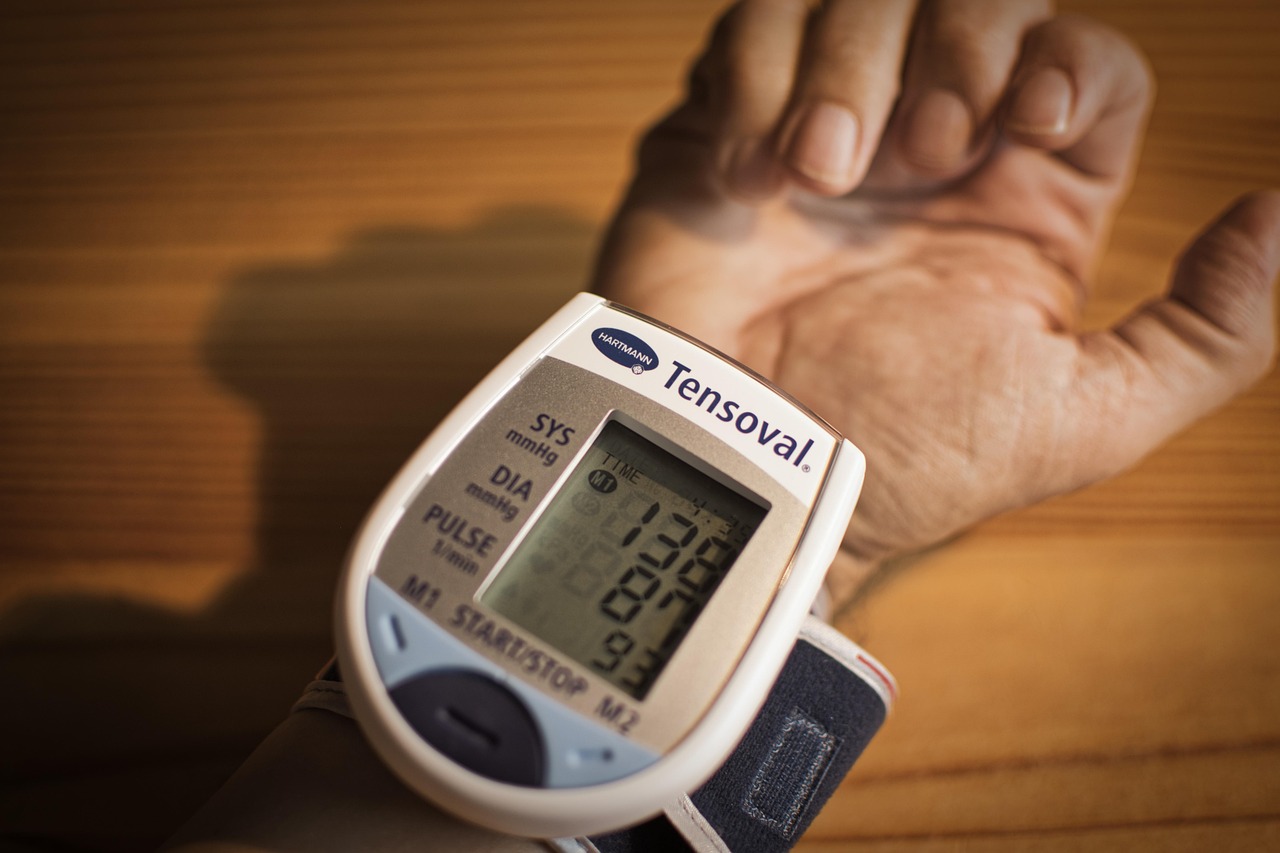
Pregnancy can be a beautiful yet challenging time for expecting mothers, especially if they have high blood pressure. Staying active is vital for overall health, but safety must be a priority. Heart rate monitors offer a great way to track cardiovascular activity and ensure exercises remain within a healthy range. Pregnant women should keep in mind several key points when using these devices. First, consult with a healthcare provider about individualized exercise recommendations throughout the pregnancy. Secondly, familiarize yourself with your resting heart rate and understand the target heart rate zone. It’s important to note that the maximum heart rate can change during pregnancy; understanding this change will aid in maintaining an appropriate workout intensity. Thirdly, prior to engaging in any exercise regimen, choose a reliable heart rate monitor. The monitor should be comfortable and not restrictive, to allow for full range of movement. Finally, always listen to your body; if any unusual symptoms arise, stop exercising immediately and consult a physician. This proactive approach empowers safe prenatal fitness while managing high blood pressure effectively. Regular check-ups can also provide tailored guidance.
Before starting any exercise program during pregnancy, especially for those with high blood pressure, it is crucial to understand the kinds of exercises that are safe and beneficial. Low-impact workouts are generally recommended as they are less strenuous on the body. Great options include walking, swimming, and stationary cycling. Aerobic activities improve circulation and overall fitness without putting undue stress on both the mother and the baby. Resistance training can be included but should be modified to accommodate the physical changes during pregnancy. Low weights with higher repetitions can help build strength effectively. Before diving into exercise routines, consider discussing the benefits of mastering breathing techniques and incorporating relaxation strategies. Yoga or prenatal classes can provide structured guidance on these crucial skills. High blood pressure requires tailored approaches; hence, consistently monitoring your exertion levels using the heart rate monitor becomes essential. Make sure to remain hydrated, and avoid exercises that involve lying flat on your back after the first trimester to prevent compromised blood flow. Each workout should leave you feeling energized and not fatigued. Always prioritize comfort and choose activities that you enjoy to ensure consistency in maintaining a healthy exercise regime.
Importance of Charting Heart Rate
Tracking heart rate during workouts is vital for pregnant women managing high blood pressure. It helps ensure that the exercise intensity remains within safe limits to protect both mother and baby. Knowing your maximum heart rate allows you to calculate your target heart rate zone. A commonly used formula to estimate your maximum heart rate is 220 minus your age. Heart rate monitors help maintain awareness of your exertion and identify whether you are overexerting. During pregnancy, the recommended target heart rate is typically around 120 to 140 beats per minute, but it’s essential to verify this with healthcare professionals. Proper monitoring can help avoid situations where the heart rate exceeds recommended limits. Additionally, be aware of factors that might raise heart rate unnaturally, including overheating or excessive strain. Always choose the appropriate timing for workouts; exercising in cooler times of the day can often lead to more comfortable sessions. Review your heart rate regularly post-workout to understand fitness growth. Enjoyable activities like dancing or light aerobics can support heart health while being engaging. Maintaining an enjoyable workout routine also helps minimize stress, contributing positively to blood pressure management.
A supportive fitness community can provide an additional layer of motivation and encouragement during your prenatal workout journey. Seek classes tailored specifically for pregnant women or online groups committed to sharing tips and experiences. Building a social circle around fitness can enhance your routine, creating an enjoyable environment where you feel encouraged to exchange insights. Ensuring that you have a workout buddy can keep you accountable while making exercise more enjoyable. Online classes also provide flexibility, enabling partnerships with instructors who understand your specific needs, especially when managing high blood pressure. Adjusting individual expectations with guidance from fitness professionals can result in significant progress, ensuring a stronger bond between physical activity and safely navigating pregnancy. Remember to establish personal goals that are realistic and healthy. Engaging in discussions around safe exercises within your community can help normalize these vital conversations, breaking any stigma surrounding high-risk pregnancies. Maintain regular check-ins with your healthcare provider to analyze progress. Celebrate small milestones! Whether it’s completing a workout or achieving a personal heart rate goal, these achievements bolster confidence, and they are essential for both physical and mental health during this transformative period.
Mindfulness and Relaxation
Mental wellness is just as crucial as physical health during pregnancy, particularly when addressing high blood pressure issues. Incorporating mindfulness techniques into your fitness regime can significantly support both realms. Engaging in breathwork, guided imagery, and meditation exercises can lower stress levels, making workouts more effective and enjoyable. Consider starting your sessions with a few minutes dedicated to calming breathing exercises; this can help set a positive tone for your workout ahead. Aim to focus attention on breathing deeply and rhythmically to enhance oxygen delivery to both you and your baby. Additionally, gentle stretching before aerobic activity can enhance flexibility and prepare your body physically for more intense workouts. Regular participation in classes like prenatal yoga promotes relaxation while also improving strength and posture. Studies have shown that maintaining a consistent level of mindfulness can lead to lower blood pressure metrics, making this approach particularly beneficial for those managing high blood pressure. Consider keeping a journal to track not only your physical workouts but also your emotional and mental states during pregnancy. Reflecting on both aspects can improve your overall sense of well-being, optimizing both the physical and emotional journey.
In addition to the physical aspects of prenatal workouts and heart monitoring, understanding the environment in which exercise takes place is essential. It’s important to choose safe locations for your workouts, avoiding excessively hot or humid conditions that could place further strain on cardiovascular health. Exercising outdoors in a shaded area or indoor environments with good ventilation can significantly enhance comfort and reduce risks associated with overheating. Maintaining environmental awareness during your workouts fosters a safer space not only for you but also for your baby. Additionally, if you experience any concerning symptoms such as dizziness, shortness of breath, or irregular heartbeats, stop exercising immediately. Be sure always to have a charged phone nearby in case of an emergency, and inform your workout partner of your pregnancy fitness plan. This approach adds an additional layer of safety during workouts while managing existing health concerns like hypertension. Before heading out to any activity, prepare adequately with water and healthy snacks to replenish energy levels. Nutrition plays an interlinked role in maintaining healthy blood pressure, ensuring optimal nourishment before, during, and after exercising. The combination of safe environments and proper hydration will translate into better results.
Consultation with Professionals
Particularly for pregnant women dealing with high blood pressure, professional consultations are invaluable. A healthcare provider can provide tailored guidance, suggesting specific workouts appropriate for individual health status. Regular check-ups and blood pressure monitoring cover necessary assessments for any complications, keeping track of your overall health as the pregnancy progresses. Collaborating with a prenatal fitness instructor ensures the exercises performed do not exacerbate health risks. These specialists can instruct on proper techniques and provide modifications suited for high blood pressure issues. Pregnant women should not hesitate to consult with a registered dietitian, as nutrition plays a critical role in overall wellness and blood pressure regulation. A professional can offer dietary suggestions to support health goals while ensuring nutrient needs are met during this critical time. Integrating discussions around mental health and wellness into consultations can yield further benefits by verifying outcomes. Lastly, ensure your heart rate monitor accurately reflects your body’s response throughout exercise sessions. Confirm correct sizing and calibration, as faulty devices can lead to misinformation about your heart health. Through professional insights and collaboration, expecting mothers can foster a nurturing, healthy environment for themselves and their babies.