Road vs. Mountain Cycling Shoes: What’s Best for Your Ride?
Choosing the right shoes for cycling is crucial for maximizing comfort, performance, and safety on the bike. Road cycling shoes are specifically designed for efficiency and speed, featuring a stiff sole that allows for optimal energy transfer during pedaling. These shoes are compatible with road cleats, which are typically smaller and offer a more aerodynamic profile. Conversely, mountain cycling shoes are rugged and versatile, designed for off-road conditions with a focus on tread for better grip. They accommodate larger cleats that offer a more secure connection to the pedals, especially on technical terrain. It’s essential to consider the type of riding you do most often when selecting shoes. If you prefer long, smooth rides on pavement, road shoes may be your best bet. On the other hand, if you’re hitting trails and require added stability and traction, mountain shoes are ideal. Understanding the differences can help you make an informed decision that enhances your cycling experience.
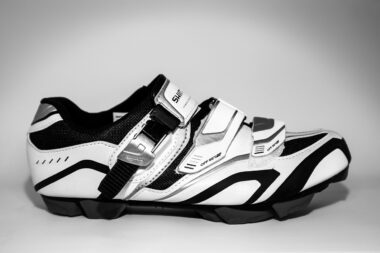
One significant difference between road and mountain cycling shoes is the construction and materials used. Road cycling shoes typically feature lightweight materials that prioritize aerodynamics. They might be made from synthetic materials or mesh to ensure breathability. Additionally, the closure systems in road shoes are designed for secure fits without the bulk often found in mountain shoes. In contrast, mountain cycling shoes use more robust materials to withstand the rigors of rough terrain and drops. They provide added protection, which is crucial during rides that may involve falls or close encounters with obstacles. Moreover, the soles of mountain shoes have a textured surface for traction when walking on uneven surfaces, making them exceptionally versatile. While choosing shoes, consider factors like your preferred cycling style, frequency, and types of surroundings. Knowing these differences can significantly affect your overall cycling experience and performance on varied trails or roads, allowing a better selection tailored to your needs.
Comfort and Fit
When it comes to cycling shoes, comfort and fit are paramount. A shoe that does not fit correctly can cause discomfort and even injuries during long rides. Mountain biking footwear generally has a roomier toe box to accommodate varied terrain, whereas road shoes tend to be more form-fitting for aerodynamic benefits. Additionally, road cycling shoes are often stiffer, which can lead to foot fatigue over extended periods. However, this stiffness also translates to increased power transfer. It is essential to try on shoes, ensuring you have adequate toe space and support. Take into account the thickness of socks as well, as they can influence the fit significantly. Furthermore, many brands offer shoes in different widths, allowing for even further customization to your foot shape. Investing time to find the right shoe will enhance your cycling experience, prevent pain, and improve performance, leading to more enjoyable rides.
Breathability is another critical aspect each shoe type brings to the table. Road cycling shoes often feature mesh panels to increase airflow, helping keep your feet cool during intense rides. This is particularly important for long-distance cyclists, as overheating can lead to discomfort and reduced performance. Mountain cycling shoes, while still incorporating breathable materials, tend to focus more on durability and protection due to the rugged conditions they encounter. They may not have as many ventilated areas as road shoes, which could impact comfort during hot summer rides. Riders need to balance these factors based on their local climate and riding conditions. Evaluate how hot or cold it gets when cycling in your region, as this may dictate your choice of shoes. Each type has its pros and cons concerning breathability, which can directly affect your performance and comfort levels during different rides.
Price Considerations
When selecting cycling shoes, examining the price range is crucial, as prices vary significantly between road and mountain shoes. Generally, road cycling shoes can be more expensive due to the technology involved in producing lighter and more efficient designs. However, there are budget-friendly options available in both categories. Mountain shoes can also be pricey, especially those with reinforced materials and additional features like waterproofing or advanced traction systems. It’s essential to assess your budget against the frequency of your rides and how much time you intend to spend using the shoes. Cheaper options may suffice for recreational cyclists, while serious competitors might want to invest in higher-end models that ensure a better fit and enhanced performance. Remember, a quality pair of cycling shoes is an investment in your comfort and health, influencing your overall enjoyment while cycling.
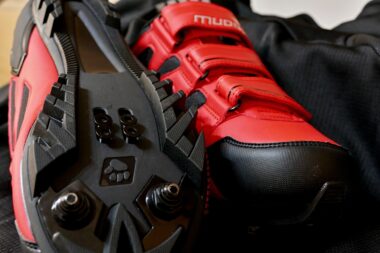
Compatibility with pedal systems is another essential factor to consider when selecting cycling shoes. Road shoes usually have a three-bolt cleat system that enables a secure bond between the shoe and the pedal. This design minimizes any movement and increases power transfer, making every pedal stroke efficient. Conversely, mountain biking shoes often feature a two-bolt system, allowing for an easier disengagement when needed. The two-bolt system also provides greater walking comfort on rough terrains, making it easier to navigate during hikes or walkovers. It’s crucial to check the pedal system you currently use or plan to use and ensure that the shoes you select are compatible. Mismatched shoes and pedal systems can lead to frustrating cycling experiences. Therefore, understanding the cleat compatibility is vital for making an informed purchase, ensuring a seamless connection between your feet and your bike.
Final Thoughts
In conclusion, the choice between road and mountain cycling shoes ultimately boils down to your cycling style, preferences, and the environment in which you ride. Each shoe type offers unique benefits tailored to different types of cycling. If you often ride on paved surfaces and require maximum energy transfer and efficiency, investing in a good pair of road shoes may be your best move. Alternatively, if your adventures take you on rugged trails, opting for mountain biking shoes can significantly improve stability and control when navigating tricky terrain. The best approach is to evaluate your needs, test various pairs, and consider how often and where you cycle. Regardless of the type, ensure that comfort, fit, and performance features align with your cycling goals to enjoy every ride to the fullest. By making an informed decision, you can enhance your cycling experience significantly, enjoying the benefits of tailored footwear in any scenario.
As you contemplate your cycling shoe choice, remember the importance of investing in proper gear that supports your riding ambitions. Quality cycling shoes can improve performance while conserving your energy during rides. They are an integral component in ensuring safety and comfort while participating in cycling activities. Every cyclist has unique requirements, and understanding them will allow you to choose shoes that cater effectively to your needs. Incorporating the right features—from breathability to sturdiness—into your decision-making process will yield a positive cycling experience. Ultimately, your shoes complement your bike and performance, and thinking critically about your selection can lead to greater joy and satisfaction while cycling.