
Making the Most of Your Triathlon Training Camp Experience
Attending a triathlon training camp can be a transformative experience for endurance athletes. These specialized camps provide valuable training opportunities that allow participants to enhance their skills and fitness levels. From swimming in open water to mastering transitions, each aspect is tailored to maximize performance. These environments foster comradery among athletes, creating a unique atmosphere that encourages learning and growth. Camp coaches often possess extensive experience and can offer individualized guidance. Besides training, these camps typically include informational sessions, discussing various topics such as nutrition and recovery. Understanding how to fuel your body properly can significantly impact performance. Learning new strategies and techniques from seasoned professionals can easily become lifelong assets in your training journey. In addition, camps often take place in locations with very suitable weather, allowing for diverse workouts throughout the week. Camp participants also have the chance to ask personal questions and receive instant feedback. Ultimately, the blend of physical training, expert coaching, and community support can lead to substantial improvements and lasting memories for all athletes involved.
Setting Goals Before Your Camp
One of the most critical steps before attending a triathlon training camp is setting clear and achievable goals. Understanding what you want to achieve from the camp can help maximize your experience and focus your training efforts. Whether your goals are to improve your swimming technique, build bike endurance, or simply learn about nutrition, having defined objectives helps to maintain focus during your training. Consider assessing your current fitness level by self-evaluating your strengths and weaknesses across various disciplines. This process can provide insight into specific areas of improvement and ensure you set appropriate, realistic targets. Furthermore, discussing these goals with your coach is ideal as they can provide additional guidance and support. Tracking your progress during the camp is also crucial, allowing you to see how far you’ve come by the end of the training week. Have a flexible mindset in case your goals evolve as you immerse yourself in the camp training. A strong commitment to self-improvement ultimately leads to satisfaction and achievements during triathlon competitions in the future.
When you arrive at a triathlon training camp, it is essential to make a positive first impression. Engaging with fellow camp participants creates meaningful new connections and can lead to lasting friendships built on shared goals and experiences. Begin by actively introducing yourself, showcasing your enthusiasm for the camp and what you hope to learn. This simple act establishes a foundation of relationships that can provide support throughout the week. Additionally, participating in group activities, warm-up drills, or networking events can further enhance your connection with other athletes. Everyone at the camp shares a common interest, which often fosters open communication about training experiences and techniques. Exchange contact information with new acquaintances, so you can continue sharing progress and updates when the camp is over. Building preseason camaraderie can help make training both enjoyable and motivating. As you train side by side with like-minded individuals, remember to encourage each other and share insights. Developing a strong community during the camp creates an enriched learning environment, enhancing personal progress as you strive toward significant triathlon goals together.
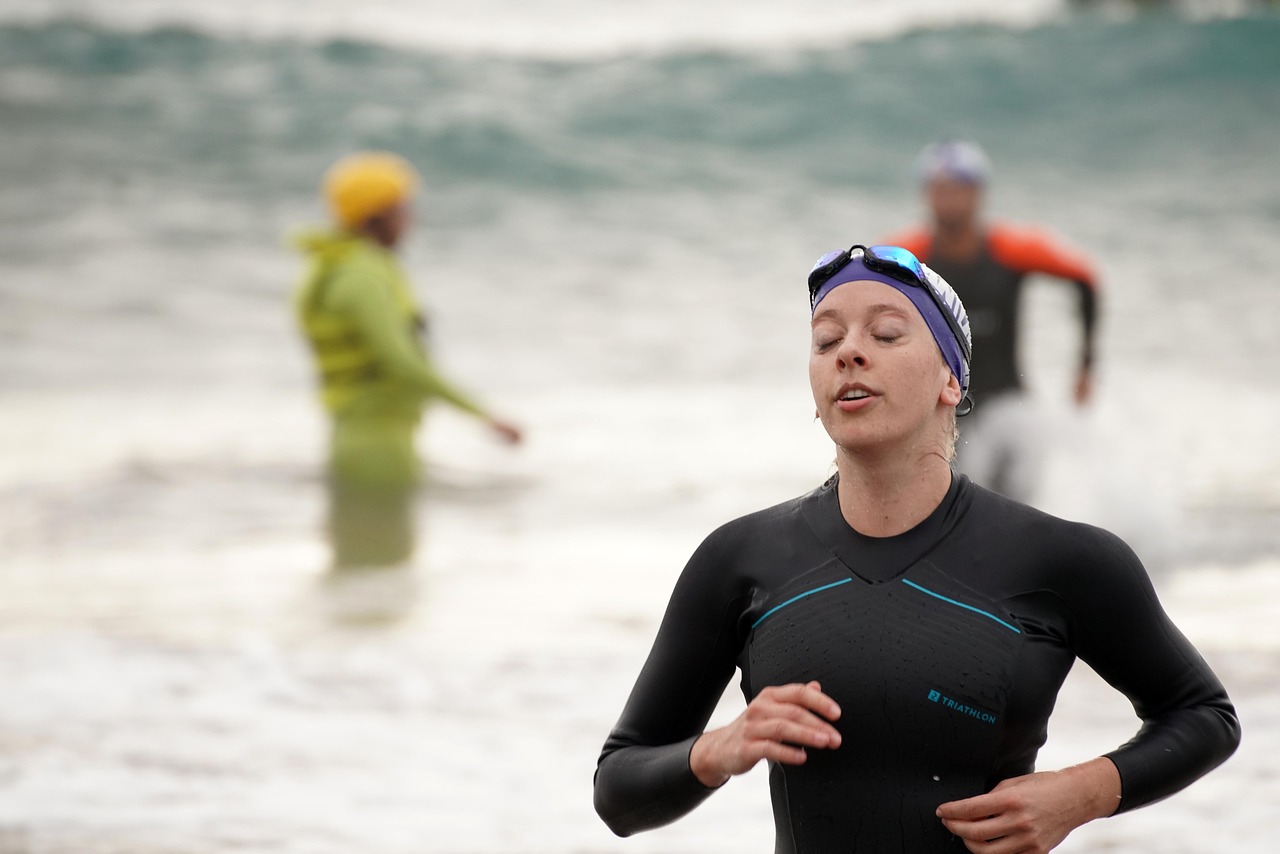
Navigating the diverse training sessions at a triathlon camp requires an open mind and adaptability. Each day presents new opportunities to learn various skills related to swimming, biking, or running. Be prepared to engage in different drills tailored to develop speed and efficiency in each discipline. Strive to embrace every aspect of each session, even if it falls outside your comfort zone. Participate in open water swim exercises to build confidence and technique, which can differ significantly from pool swimming. Bike rides not only build strength but also improve your ability to tackle challenging terrains. Rely on coaches to offer feedback and guidance throughout the trials, as they possess valuable experience. Don’t hesitate to ask questions or request proof of technique demonstrations; this is an ideal time to learn. Track your progress along the way; understanding what techniques work best can lead to long-term success. Documenting each practice session can reveal patterns and areas that require improvement. By approaching every training session enthusiastically, you maximize your skill development and prepare yourself to excel during competitions.
Varying Your Nutrition and Hydration
Nutrition and hydration are paramount components of triathlon training, especially when participating in a training camp setting. It is essential to maintain proper nutrition throughout the camp to optimize your training benefits. Athletes should focus on carb-loading before high-intensity sessions and incorporate a mixture of proteins and fats during recovery meals. Learning to tailor your nutritional needs to different training sessions is critical for energy management. Hydration has a direct influence on performance; thus, staying adequately hydrated is vital. Consuming electrolyte-rich sports drinks during long training sessions can aid electrolyte balance and help sustain energy levels. Be aware of individual hydration requirements and adjust fluid intake according to exertion levels, temperature, and humidity. Attending workshops on nutrition can also provide valuable insights into meal prepping and fueling during races. Collaborate with coaches and fellow participants to share successful nutrition strategies. Prioritize routine meals before and after workouts to nourish your body adequately. Ultimately, experimenting with different nutrition and hydration plans during the camp can help identify what works best and set you up for future success.
Evaluating your performance throughout the training camp is essential to understanding your improvement. Conducting personal assessments at the end of each day can help keep you accountable. Establish key performance indicators according to your goals, such as swim pace, bike cadence, and run speed. Having specific metrics enables fruitful discussions with coaches regarding training outcomes and can inform future adjustments. Consider keeping a training journal to document daily training sessions, noting personal feelings, challenges faced, and progress made. This record can serve as an invaluable resource for future plans and analyses of what worked and what should change. Additionally, interacting with fellow athletes allows everyone to share unique insights and flag potential areas of improvement together. By observing your peers, you may discover techniques or strategies you can incorporate into your training. At the end of the camp, reflect on your overall experience; what skills improved, what new knowledge did you gain, and how did these values boost your mindset? Such reflections help cement lessons learned and provide motivation as you return to your regular training routine.
Post-Camp Integration
The period following your triathlon training camp is crucial for maintaining progress and incorporating newfound techniques into your routine. Plan a post-camp schedule to include workouts that emphasize skills learned during the camp. Implement training sessions focused on refining specific techniques while maintaining the motivation gained from your experience. Stay connected with fellow campers through social media platforms or groups to share updates, experiences, and ongoing training with your team. Sharing challenges and successes can foster friendships and continue the supportive atmosphere cultivated during the camp. Evaluate your training plan and set aside time each week to practice and integrate new skills. Additionally, consider enlisting a coach for personalized guidance if you require further assistance. At some point, sign up for competitions to put lessons learned into practice and monitor performance over time. Adopting a positive mindset and having confidence in the improvements you’ve achieved will deliver a feeling of accomplishment. Focus on gradual progress as you stay persistent and engaged in your daily training to ensure long-term success.
.
Ultimately, attending a triathlon training camp provides many benefits for enthusiastic athletes striving toward their goals. From expert coaching to valuable camaraderie among fellow participants, the camp experience encapsulates everything you need to grow as an athlete. By following proper steps before, during, and after the camp, you can make the most of your time there and apply what you have learned to your training. Be proactive in managing your nutrition, hydration, and mindfulness to optimize performance gains. Embrace the diversity of experiences and seek to learn from every session or interaction. As you return to your regular routine, remember that the skills acquired and relationships built during the camp have lasting impacts on your athletic journey. Maintain a spirit of camaraderie and connection with fellow campers even after the event. This not only nurtures your development but has the potential to provide continued motivation for future endeavors. Celebrate each milestone, big or small, as they contribute to your overall progression as a triathlete. The memories formed and knowledge shared at a training camp can serve as a foundation for long-term athletic success.


