
How to Manage Energy During a Race
To successfully manage energy during a race, understanding the dynamics of energy expenditure is crucial. Runners must learn to balance their pace based on the race distance and their individual capacity. Setting realistic expectations is key and can drastically affect performance. It is essential to start at a manageable pace to prevent quick fatigue. Additionally, runners should incorporate interval training to allow their bodies to adapt to varying speeds. This will enable an effective mix of sprinting and recovery, enhancing overall endurance. Nutrition plays a significant role in energy management. Consuming carbohydrates before races fuels the body effectively. During longer races, taking in electrolytes or energy gels can provide an extra boost. Hydration is vital, and runners should drink enough fluids before and during the race. Post-race recovery strategies include refueling with protein and carbohydrates to support muscle repair. Understanding one’s own body signals during a race can help in making quick adjustments to pace. Training runs serve as an excellent opportunity to practice pacing and energy management strategies. Experimenting with food and drink options during training will also help during the actual race.
Monitoring heart rate is another effective strategy to manage energy. Many runners use heart rate monitors to gauge exertion levels. Keeping heart rate within a targeted range helps to optimize performance without excessive fatigue. When heart rates are too high, it’s essential to ease off and regain control. Pay attention to how the body feels during effort. Signs of fatigue, such as excessive breathing or muscle soreness, should prompt adjustments in pacing. Mindset also plays a vital role in energy management. Staying mentally positive can help overcome physical limits. Visualization techniques can be very beneficial, allowing runners to mentally prepare for the challenges of racing. Strategizing the race can minimize fatigue; planning when to push harder or conserve energy is vital. Additionally, consider the course layout and weather conditions as these factors can impact energy levels. Adapting to elevation changes, such as hills, demands extra energy and should influence pacing decisions. Lastly, it’s helpful to have a race-day plan. Having a clear understanding of hydration and nutrition plans while also adjusting for any potential race-day surprises can ensure optimal performance.
Practicing Race Strategies
Incorporating race strategies into training is essential for energy management. This includes learning how to pace during different segments of a race. Practicing how to run conservatively at the start and building pace towards the end can lead to improved finishing times. Strategies like negative splitting—running the second half faster than the first—can be particularly effective. Another essential aspect of practicing race strategies is simulating race conditions in training runs. This can include running at the same time of day as the race, wearing similar gear, and trying the same nutrition plan. Many runners benefit from participating in shorter races leading up to a major event. These shorter distances allow runners to experiment with different strategies without extensive fatigue. Recognizing the individuality of each runner is critical; not every strategy works for everyone. Observing how fellow runners manage their energy can offer insights as well. Incorporating feedback from running coaches or experienced racers can also refine strategies. Ultimately, understanding personal biomechanics will help implement more customized energy management approaches. Data from running apps can also assist in tracking progress over time.
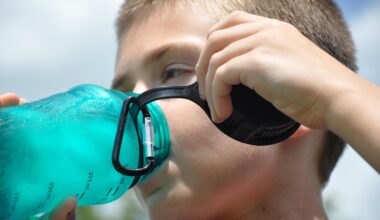
Another important consideration for energy management during a race is hydration strategy. Maintaining proper hydration levels before, during, and after a race significantly impacts performance and recovery. Begin hydrating well in advance of racing day, ensuring your body is well-prepared. Many runners benefit from drinking fluids throughout the week leading up to the race. During the race, consuming adequate fluids at aid stations or through personal hydration methods can help maintain stamina. Understanding one’s own needs for hydration is a personal journey; experimenting during training will provide insights. For shorter races, water might suffice, while longer events often require electrolyte drinks to replenish lost salts. A thorough temperature analysis during races will help gauge how much fluid is necessary. Runners should adjust hydration strategies based on weather conditions; hot and humid days demand increased fluid intake. Furthermore, adequate post-race hydration supports recovery. Practicing these strategies during training helps in creating a customized plan that fits personal preferences and needs. Fueling with the right drinks is crucial to avoid delays in recovery and ensure next-day performance.
The Role of Nutrition
A balanced diet is vital for effective energy management during a race. Runners should focus on consuming macronutrients, including carbohydrates, proteins, and fats, daily. Carbohydrates serve as the primary energy source, fueling the body effectively. Essential fats help with endurance, while proteins aid muscle recovery. Leading up to a race, consider carbohydrate-loading strategies. This involves increasing carbohydrate intake days before the race to build glycogen stores in muscles. During races longer than an hour, chemistry plays a role; introducing energy gels or chews becomes essential. Carrying a source of quick energy allows the runner to replenish carbohydrates mid-race. Employing strategies to time food intake effectively can influence race performance. Figuring out the right quantities to consume before racing day requires testing during training runs. Low-fiber, easily digestible foods are preferred right before a race to avoid gastrointestinal issues. A post-race meal rich in proteins and carbohydrates is equally important for recovery. Eating within the first 30 minutes after finishing helps restore glycogen levels and promotes muscle repair. Planning meals and snacks ahead of time can alleviate stress on race day and ensure optimal nutrition.
Energy management isn’t solely about pacing and nutrition; mental strategies can also offer substantial benefits. Visualization techniques allow runners to see their race strategy, enhancing performance. Imagining a successful race can increase confidence and set a positive tone on race day. Another mental approach is to break the race down into smaller segments. Concentrating on completing one segment at a time minimizes feelings of being overwhelmed. This approach instills a sense of achievement throughout the race. Utilizing positive affirmations can further strengthen mental resilience. Developing a personalized mantra reminds runners of their goals and boosts their determination. Engaging with other participants during the race can foster a supportive environment, lessening mental fatigue. Whether it’s making small talk or offering encouragement, connection matters. Embracing environments where fellow runners share the journey can uplift spirits during challenging times. Additionally, managing pre-race nerves is essential for energy conservation. Employing relaxation techniques helps maintain composure, ultimately leading to better performance. Paying attention to both mental and physical aspects of racing enhances overall endurance and effectiveness. Merging mental and physical energy management creates a winning formula on race day.
Post-Race Recovery
Understanding strategies for post-race recovery contributes significantly to overall energy management. Runners must prioritize recovery immediately after finishing to prepare for future races. Hydration is crucial following the race, alongside replenishing lost nutrients. Consuming a meal within 30 minutes, ideally with protein and carbs, kickstarts the recovery process. Active recovery through light exercise, such as walking or gentle stretching, promotes circulation and reduces muscle soreness. Additionally, getting enough sleep in the following days enhances recovery rates. Emphasizing relaxation techniques, such as deep breathing or yoga, can alleviate stress and reduce tension in tired muscles. Many runners find heat and cold therapies beneficial, where alternating between hot and cold compresses helps to soothe soreness. Foam rolling and massage can also expedite healing and muscle recovery. Balancing rest with light activity lowers the risk of burnout and injuries. Focus on gradual reintegration into a regular training routine while listening to the body’s signals. Consulting with a coach about post-race training plans can lead to long-term gains. Recovery is just as critical as race-day performance, which ultimately influences the journey ahead.