
How to Encourage Children to Enjoy Vegan Foods
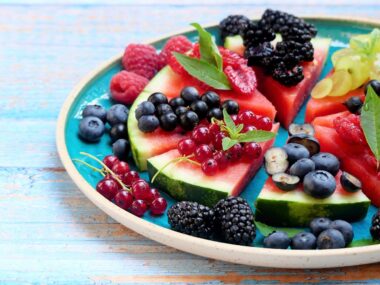
Introducing children to a vegan diet opens up a world of flavors and health benefits. To encourage kids to embrace vegan foods, start by making meals colorful and appealing. Vibrant fruits and vegetables can attract their attention and curiosity. Get creative and involve them in meal prep, letting them select ingredients or help with cooking. This involvement promotes a sense of ownership over their food choices. Try making meals fun; for instance, use cookie cutters for vegetables or arrange food into playful shapes. Additionally, keep staple vegan snacks like peanut butter, hummus, or fruit bites handy to make healthy options readily available. Gradually introduce new foods alongside familiar favorites to ease the transition, thereby reducing resistance. You can also experiment with vibrant smoothies; blending fruits and vegetables creates a visually appealing, nutrient-dense treat. Reading books about vegan lifestyles or watching documentaries can pique their interest, showing the positive impacts of plant-based choices on health and ethics. Through creativity and education, children can learn to appreciate the vast array of vegan foods available, making healthy eating a joyful adventure. Simple strategies can spark a lifelong love for healthy, compassionate eating and sustainability.
Creating a supportive environment can enhance a child’s willingness to try vegan foods. Lead by example; children are more likely to explore new flavors when they see their parents or guardians enjoying diverse meals. Regular family meals provide opportunities for children to experience a variety of dishes together. Discussing the benefits of veganism in a positive manner can inspire curiosity. Introduce cooking classes as a fun way for children to learn about nutritious meals while acquiring valuable skills. This approach fosters a sense of accomplishment and agency when they can prepare their own dishes. Moreover, involve them in grocery shopping. Let them choose their favorite fruits and vegetables to create a personal connection with whole foods. Make visits to local farmers’ markets a routine; they can explore various fresh produce while learning about seasonality. Engaging your children in food-related community events can also enrich their understanding and appreciation of plant-based nutrition. Furthermore, encourage food explorations through diverse cultural cuisines. Exposing them to global plant-based dishes broadens their taste palette while making veganism appealing. Ultimately, creating a supportive and engaging environment nurtures a positive attitude toward vegan foods.
Another effective strategy to encourage children to explore vegan foods is to develop fun, unhealthy impressions of them. Turn mealtime into an exciting adventure. Use storytelling during meals; for instance, create narratives around different foods, making them seem magical or unusual. Instead of plain phrases like “eat your vegetables,” try imaginative expressions, like “try the rainbow magic of the garden.” This creative language can prompt children to taste unfamiliar foods. Also, sharing interesting facts about plants and vegan nutrition can intrigue young minds and inspire inquisitiveness. You can emphasize fun facts about their favorite animals or superheroes that are plant-based. Moreover, switching traditional recipes into vegan versions utilizing readily available substitutes can enhance familiarity while introducing new ingredients. For example, make mac and cheese using cashew cream instead of dairy. Experiment with plant-based cheeses or yogurt alternatives to broaden their choices. Don’t forget the art of presentation; serving vegan dishes in appealing ways can significantly impact their willingness to try them. Using bright plates or engaging utensils makes meals visually enticing. Through creativity and engaging tactics, children may develop a positive connection with vegan foods sooner than anticipated.
Balancing Flavor and Nutrition
Balancing taste and nutrition is crucial in promoting vegan choices among children. Ensure meals are rich in essential nutrients like protein, iron, and calcium by incorporating a variety of plant foods. Foods such as lentils, beans, quinoa, tofu, and fortified plant milks offer excellent protein sources. Including nutrient-dense snacks ensures balanced energy levels throughout the day, such as nuts, seeds, and dried fruits packed with vitamins. Encourage trying new ingredients gradually instead of overwhelming them with change. Perhaps begin with familiar textures and flavors, like replacing cow’s milk with almond milk, which can aid the transition. Additionally, introducing legumes and whole grains regularly can foster appreciation for diverse food groups. Be mindful of food allergies; always consult with a pediatrician or dietitian before introducing new foods. Make it a point to listen to their culinary choices and preferences. This approach motivates children to participate in food decisions actively. Eventually, they will be more inclined to choose tasty vegan foods that meet their nutritional needs. Continually revisiting meal plans for diversity helps sustain enthusiasm and promotes overall health while ensuring children remain engaged in their dietary journey.
Social influences play a significant role in children’s food choices, making it vital to connect vegan eating with positive experiences. Planning social gatherings, like vegan picnics or themed birthday parties, can foster unique and exciting associations with plant-based foods. Invite friends and serve delicious vegan dishes that encourage discussions about new flavors and ingredients. Encourage playdates that involve cooking or sharing meals together, making vegan food a part of fun experiences. Reassure them about the acceptance of veganism among their peers while highlighting positive stories of friends or family members who enjoy vegan diets. Being a part of a community, whether through local groups or online platforms, enables children to share their experiences and discoveries. They can meet others who share their experiences and learn together. Additionally, supporting their involvement in local vegan clubs or events allows them to engage with like-minded individuals. Including children in workshops or volunteer activities related to vegan organizations can deepen their understanding of plant-based nutrition and its benefits. Ultimately, reinforcing social connections with vegan foods provides lasting impressions and positive associations essential for fostering their dietary interests.
Encouraging Exploration
Encouraging children to explore new vegan foods can create lasting memories and broaden horizons. Organizing family trips to orchards, farms, or local community gardens nurtures kids’ interest in food origins and promotes environmental awareness. Such visits can turn into learning opportunities about sustainable practices related to food production. Engaging them in garden projects allows children to understand the journey food takes from garden to plate. This connection builds appreciation and enhances their willingness to try unfamiliar foods. Furthermore, incorporating food substitution projects, where children can create their own version of processed snacks using plant-based ingredients, can make them masters in their kitchens. Experimentation can yield fun and delicious results, leading to new family favorites. Also, guide them in writing their food journals to document the foods they try, their thoughts, and their favorite recipes. This exploration encourages honesty, adventure, and willingness to try diverse dishes. Celebrating small victories in trying new foods brings encouragement and progress, making new food experiences less daunting. Through exploration and creative endeavors, children may find excitement in discovering vegan dishes while forming positive eating habits.
Incorporating themes or holidays can further spark interest in vegan foods. Centers around events like Halloween, Thanksgiving, or Earth Day provide perfect opportunities to plan meals with thematic vegetables and fruits. Creating themed dishes such as pumpkin smoothies or beetroot cupcakes can add excitement to familiar occasions. Involve children in planning special recipes or seasonal flavors; their creativity will flourish when they contribute. Moreover, crafting food art with themes lets kids engage with a dish beyond just tasting it. Presenting the food as animals, faces, or nature scenes can spark curiosity and promote healthy eating concepts. These activities help children view vegan foods as both fun and enjoyable. Also, consider creating rewards for trying new foods or completing plant-based challenges, turning eating into a playful activity. Equipping them with colorful ingredient charts or interactive food-related games can stimulate their interest in nutrition. Engage children visually by providing vibrant resources or posters showing the nutritional benefits of various foods. Highlighting nutrition’s role in their favorite hobbies or activities helps establish meaningful connections. Ultimately, combining creativity, seasonal themes, and reward systems can engender children’s long-lasting interest in exploring diverse vegan diets.
Concluding, fostering a love for vegan foods among children requires creativity, patience, and positive reinforcement. Establishing a foundation of culinary exploration through family activities, fun presentations, and engaging residential environments cultivates a lifelong appreciation for healthy eating practices. The foundation starts early with active involvement and guidance on plant-based nutrition’s importance. Nurturing inquisitiveness through storytelling, themed meals, or hands-on cooking fosters meaningful experiences that lead them to adventures with food. Remember that these transitions cannot happen overnight; it is vital to celebrate small milestones. Progress requires time and experiments, but persistence fosters positive eating habits. Building a supportive environment makes the process enjoyable for both children and parents. Maintain encouragement while remaining open to adjustments and working through challenges during their dietary journeys. Ultimately, instilling the love for vegan food prepares children for a lifetime of wholesome choices. Such choices influence their personal health and spread knowledge about compassionate eating. Together, these elements can transform skepticism into enthusiasm, making veganism a natural, integrated component of children’s lives. As they embrace this path, they develop a healthy future while fostering awareness of the broader impacts on their planet.