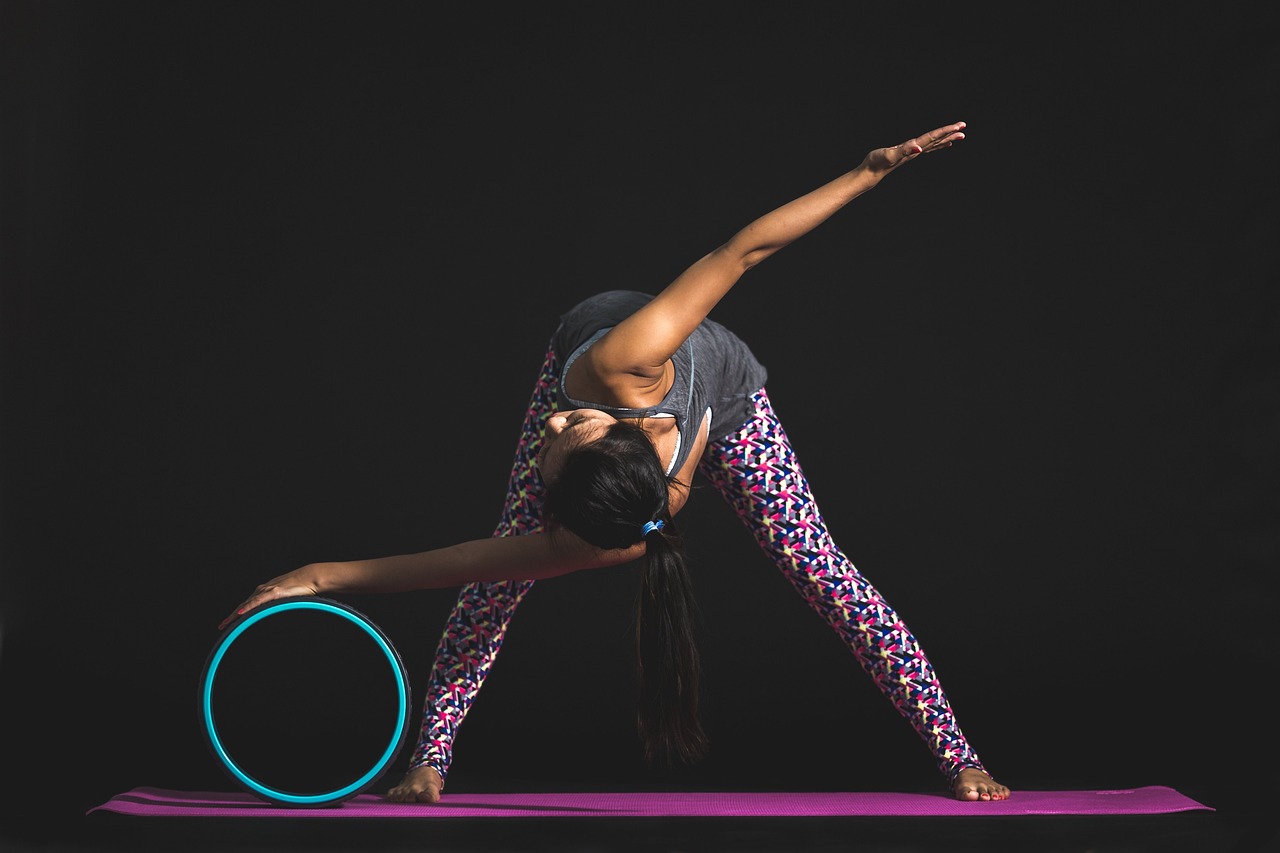

Gentle Yoga Poses to Promote Rest and Recovery for Seniors
Practicing yoga is an excellent way to encourage rest and recovery for seniors. Gentle yoga poses focus on improving flexibility, balance, and strength without putting too much strain on the body. These practices create a calming environment, which is beneficial for those recovering from injuries or simply looking to improve overall well-being. Moreover, the mindful breathing associated with yoga helps reduce stress and promote relaxation, vital components of restorative processes. Not only does yoga assist in improving physical health, but it also positively impacts mental health by reducing feelings of anxiety and depression. Simple poses like Cat-Cow or Child’s Pose effectively stretch the back and hips. In addition, integrating relaxing poses into a daily routine can create a sense of normalcy that significantly helps seniors in their recovery journey. Practicing these poses regularly leads to enhanced mobility, improved posture, and a greater awareness of body sensations. Joining a community class or following an online course can be very encouraging, motivating seniors to stay consistent in their practice while promoting social interaction. Gentle yoga serves as a holistic approach to recovery that is sustainable and beneficial for seniors.
Gentle yoga poses can be tailored to accommodate individual needs, making practice more accessible for seniors.
This flexibility enables seniors to engage with yoga regardless of their current mobility or fitness level. Poses such as seated forward bends and gentle twists help to relieve tension, promote circulation, and enhance overall flexibility without any excessive strain. Incorporating props such as blocks and straps can assist those with limited range of motion by providing extra support and stability. Moreover, it makes the poses more comfortable. Breathwork is crucial in yoga, enabling seniors to focus on inhaling and exhaling deeply, which promotes relaxation and oxygenates the body. Pairing breath with gentle movements creates a harmonious flow that nurtures both the mind and body. Another significant aspect of practicing yoga is establishing a routine that fosters healthy habits and consistency. Regular practice allows seniors to experience gradual improvement over time while helping them recover from physical ailments. Factors such as proper alignment, body awareness, and modifications become essential for a fulfilling practice, especially for older adults. Seniors should listen to their bodies during practice and rest as needed.
Benefits of Specific Yoga Poses
Incorporating specific gentle yoga poses can have remarkable benefits for seniors aiming for recovery and rest. One beneficial pose is the forward folding pose, which gently stretches the spine while promoting relaxation. As seniors bend forward, they can experience a release of tension in the lower back and hamstring areas, which is commonly tight. Additionally, Child’s Pose enables the hips, thighs, and lower back to gently stretch while encouraging a sense of safety and calmness. By practicing this pose, seniors can also stimulate digestion and gently alleviate lower back discomfort. A commonly overlooked pose is the supported bridge pose, which opens the chest and stretches the entire front body. This elevation helps improve circulation to the important areas of the body. To practice this pose correctly, seniors should consider placing a block under their sacrum for support. Savasana, or corpse pose, is essential for allowing the body to fully relax and integrate the benefits of the previous poses. Each pose aids in restoring a sense of balance and tranquility, essential for overall recovery during the aging process.
Mindfulness practices integrated into yoga can significantly enhance recovery for seniors.
Mindfulness encourages seniors to stay present in their practice, observing sensations in their bodies without judgment. This awareness supports deeper relaxation and can help decrease pain perception and discomfort during healing. Mindful movement fosters greater connectivity to daily activities, allowing for subtle, graceful transitions. Practicing mindfulness during yoga also encourages emotional healing by allowing seniors to connect with their feelings and thoughts in a compassionate manner. Furthermore, breathing techniques such as Ujjayi breath help cultivate inner calm and focus, which are beneficial during moments of rest. Emphasizing the importance of posture during yoga can complement all aspects of recovery. Proper alignment helps protect the body from injury while promoting stability in poses. Additionally, practicing core-strengthening poses like the Cat-Cow stretch can enhance strength in the abdominal area, providing additional support to the lower back. Over time, these practices can improve joint health, enhancing seniors’ mobility and independence. Incorporating gentle yoga also encourages socialization through group classes, allowing seniors to connect with peers while fostering a sense of community.
Creating a Yoga Routine
Establishing a consistent yoga routine is essential for seniors, as it allows for gradual progress and recovery.
Consistency in practice provides seniors with an opportunity to develop stronger muscles, improve flexibility, and build overall endurance. As physical abilities increase, seniors can gradually incorporate more challenging movements that correspond to their fitness levels. Starting with short practice sessions, even as brief as 15 minutes, can help build a lasting habit that fits easily into their daily lives. Encouraging seniors to set realistic goals ensures that motivation remains high and that they do not feel overwhelmed. It is beneficial to keep a journal to track progress and note how they feel after each session. Joining beginner-friendly classes can foster motivation and provide valuable guidance from experienced instructors. Yoga videos or apps can also facilitate practice at home, where they can move at their own pace. Seniors may find it helpful to practice at the same time every day, reinforcing routine formation. Remembering to incorporate relaxation and meditation at the end of each session will enhance the benefits of their practice while creating a calming closure.
Listening to the body is paramount during any yoga practice, particularly for seniors.
Being in tune with their physical sensations allows seniors to recognize when to push through discomfort and when to rest. There may be days when fatigue sets in, making it essential for seniors to adapt their practice accordingly. Understanding that every day may bring different energy levels can help them avoid frustration and injuries. Modifying poses according to energy levels encourages participants to maintain regular practice without overexertion. Taking breaks as needed is not a sign of weakness; instead, it supports long-term health and safety. Encouraging deep, mindful breathing during these moments allows the body to recalibrate. Further, integrating restorative yoga poses such as legs-up-the-wall can rejuvenate tired legs while providing a sense of tranquility. These adaptations make yoga accessible to seniors at various levels, emphasizing that recovery is a journey rather than a destination. Social support from trainers, peers, or friends can also provide encouragement, making practice enjoyable. Attending classes can boost confidence and provide accountability. Gentle yoga, when practiced mindfully, truly embodies a sustainable path to wellness and recovery for seniors.
Conclusion
Gentle yoga poses are increasingly recognized for their benefits in promoting rest and recovery among seniors.
Through consistent practice, seniors can enjoy an improved quality of life, increased mobility, and elevated emotional well-being. Gentle yoga not only facilitates physical recovery but also cultivates mindfulness and relaxation, essential for successful healing. Incorporating poses into a daily routine provides seniors with the opportunity to connect with themselves, fostering inner peace and self-acceptance. The social engagement that comes from attending classes promotes camaraderie, supporting emotional resilience. Ensuring that seniors are equipped with the right tools, whether through props or guided classes, enables them to practice safely and joyfully. Also, understanding their limits encourages seniors to honor their bodies while celebrating small victories. As a holistic practice, gentle yoga embodies the principles of care and compassion essential for seniors during recovery. Joining a supportive community or exploring online resources can create an enriching environment for continued practice. Ultimately, implementing gentle yoga poses into their lives will help seniors thrive in their recovery process while building a sustainable approach to wellness that lasts.