
Cycle Breathing and Its Effect on Blood Pressure Control
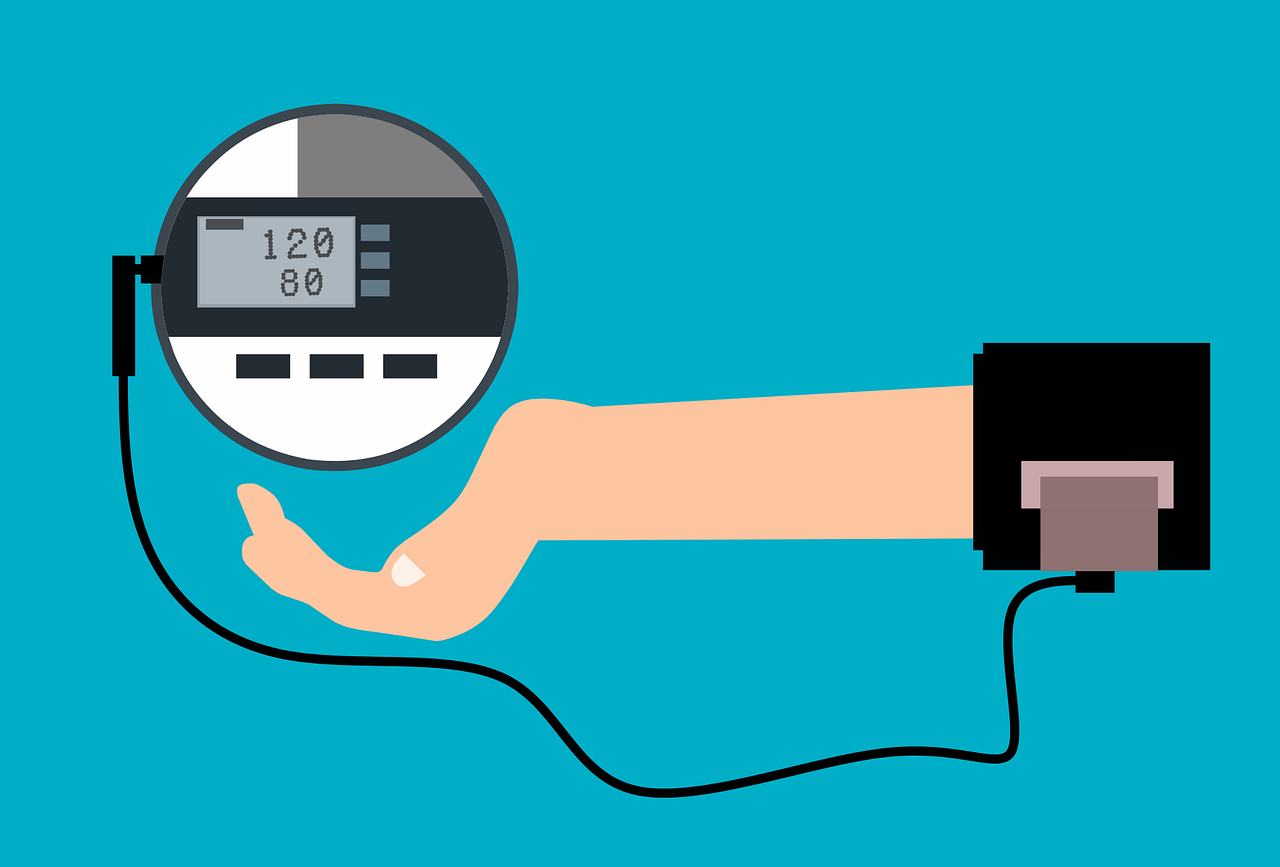
Cycle breathing is a powerful technique that can help regulate blood pressure and enhance overall well-being. This method focuses on a synchronized rhythm of inhalation and exhalation, allowing for better oxygen exchange in the body. By practicing cycle breathing, individuals can improve their heart rate variability, a critical factor in cardiovascular health. Many studies suggest that controlled breathing can lead to significant reductions in blood pressure levels. When combined with other relaxation techniques, such as meditation or yoga, cycle breathing becomes even more effective. The physiological changes from cycle breathing reduce stress responses, which can otherwise lead to elevated blood pressure. As more people seek natural methods to manage hypertension, these techniques gain popularity. Furthermore, cycle breathing can also enhance lung capacity and efficiency, enabling deeper and more restorative breaths. For those interested in mindfulness and health, this technique offers a simple yet profound way to influence physical health positively. Those looking to incorporate cycle breathing into their daily routines will find numerous resources available online, including guided practice sessions, articles, and videos to help them along the way.
The core principle of cycle breathing is to create a balanced pattern between inhalation and exhalation. One common technique involves inhaling for a set count, holding the breath briefly, then exhaling for the same count. This method facilitates a calming effect on the mind and body. It is essential to focus on the quality of the breath rather than just the quantity. Breathing deeply and fully can activate the parasympathetic nervous system, which counteracts the body’s stress response. When the body is more relaxed, blood vessels can dilate, improving circulation and reducing blood pressure. It also aids in the proper functioning of vital organs. Cycle breathing can be practiced anywhere and does not require special equipment. Regular practice can lead to long-term benefits such as improved emotional resilience and reduced anxiety levels. Individuals will often notice enhanced mental clarity and focus after completing cycle breathing exercises. For beginners, starting with a few minutes daily and gradually increasing the duration can lead to significant improvements. Setting aside time to breathe mindfully can yield many positive health outcomes.
The Benefits of Cycle Breathing
Cycle breathing not only allows for better blood pressure control but also brings numerous additional benefits. Firstly, it promotes relaxation, reducing tension and anxiety that often contribute to high blood pressure. The act of focusing on breath can ground individuals, helping them to stay present in stressful situations. Moreover, studies indicate that this practice may improve sleep quality. When practiced consistently, cycle breathing can help individuals experience deeper, more restorative sleep cycles, enabling better recovery and energy levels throughout the day. Furthermore, it enhances concentration and cognitive function, making it invaluable for students and professionals alike. Regular cycle breathing can promote overall emotional stability, allowing individuals to respond to life’s challenges more effectively. Those experiencing chronic stress or anxiety may find great relief through these techniques, as it provides them with a practical tool to cope. Additionally, cycle breathing can be easily integrated into daily routines, whether during a morning commute or before bedtime. Over time, the cumulative effects of consistent practice can lead to a noticeable improvement in physical, mental, and emotional health.
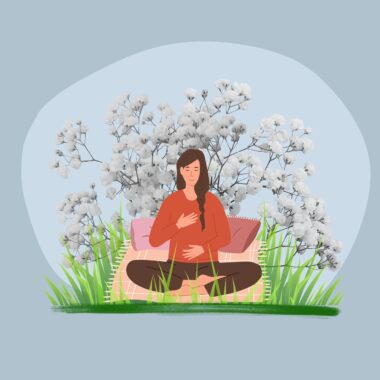
To practice cycle breathing effectively, individuals should find a comfortable position, either sitting or lying down. It may benefit beginners to close their eyes and take a few normal breaths to start. Then, tracking their inhale for a count of four, one may hold for a count of four before exhaling for another four counts. This is called the 4-4-4 method and is an efficient way to establish a rhythm. After several repetitions, individuals can experiment by increasing the counts, such as a 5-5-5 or 6-6-6, particularly as they become more accustomed to the practice. In time, it is crucial to allow breaths to feel natural and relaxed, rather than forced. To enhance the experience, some individuals incorporate visualization techniques. Imagining a soothing wave of energy washing over them with each inhale and releasing stress with each exhale can deepen the connection to breath. Recording progress can provide motivation, enhancing commitment to daily practice. Over weeks and months, the transformation in one’s emotional and physical state can be incredibly rewarding, revealing just how impactful cycle breathing can be.
Connecting Cycle Breathing and Heart Health
Cycle breathing is intrinsically connected to heart health, as it can directly affect blood pressure and heart rhythms. The practice influences the autonomic nervous system, which regulates cardiac function and overall heart rate. As a result, individuals practicing cycle breathing may experience fewer heart palpitations or irregular rhythms. Optimal heart health is crucial for maintaining blood pressure within a normal range. When the heart operates efficiently, it reduces strain on blood vessels, in turn, lowering blood pressure. Cycle breathing techniques can aid in improving endothelial function, which plays a critical role in cardiovascular health. The endothelium helps maintain the balance of vascular tone and blood flow, thus directly influencing blood pressure levels. Hence, the more efficiently one practices cycle breathing, the better their cardiovascular health can become. Furthermore, incorporating these breathing methods into cardiovascular exercise routines can enhance workout efficiency. Breathing properly during physical activity maximizes oxygen flow to the muscles, supporting more effective and longer workouts. This holistic approach to heart health highlights the importance of combining breathing techniques with exercise routines.
Integrating cycle breathing into one’s lifestyle can be a transformative experience. Early mornings or peaceful evenings are ideal times to practice this technique, allowing one to start or end the day with intention and awareness. Whether alone or in groups, the effects of cycle breathing can magnify through shared practice. Many individuals find community support invaluable, as it motivates them to remain committed to improving their health through consistent practice. In addition to gaining health benefits, community interactions during cycle breathing sessions can forge meaningful connections and friendships. Online platforms have also become popular for those who can’t attend in-person classes. Virtual classes and workshops provide easily accessible resources, allowing people to learn about cycle breathing and its benefits at their own pace. Furthermore, regular engagement with the cycle breathing community can provide ongoing motivation and inspiration. Sharing personal stories of health transformation encourages others to explore these techniques. Being part of a supportive network can foster a sense of belonging and accountability, as individuals share progress and insights with one another while navigating their health journeys.
Conclusion: Embrace Cycle Breathing for Better Blood Pressure
In conclusion, cycle breathing represents a valuable tool for anyone aiming to manage their blood pressure and enhance overall health. By understanding its connection to both emotional and physical well-being, individuals can approach their health more holistically. Through the systematic practice of breath control, they can work towards balanced blood pressure levels and improved heart health. Regularly practicing cycle breathing cultivates self-awareness and mindfulness, allowing individuals to navigate everyday stressors with greater ease. Comprehensive resources are available for anyone interested, ensuring practitioners have the guidance needed to enjoy the full benefits of this technique. As the body, mind, and heart align through the practice, the transitions towards better health become smoother. Consistent engagement with cycle breathing can alter one’s overall perspective on health and wellness. Each breath taken is a step towards a healthier and more balanced life. The journey starts with one inhale and exhale at a time; so why not start today? Embrace this life-changing practice, and notice how it transforms your relationship with your health and well-being.
All people should consider incorporating techniques such as cycle breathing into their daily routines. This practice serves as a fundamental approach to enhancing well-being and blood pressure management effectively.