
Balancing High-Intensity Training with Proper Recovery Methods
High-intensity training is a powerful tool for improving fitness, but without proper recovery, the benefits can be diminished significantly. Recovery is crucial after exerting yourself to prevent overtraining and injuries. Many athletes overlook the importance of recovery, focusing solely on performance enhancement instead. By incorporating effective cool-down methods, you ensure your body can adapt positively to intense workouts. Recovery techniques play a key role in minimizing muscle soreness and fatigue, which can enhance overall performance. Adequate recovery allows the body to repair itself and helps to rebuild muscles strained during workouts. Techniques such as stretching, foam rolling, and gentle mobility exercises can accelerate recovery and promote flexibility. Additionally, understanding the importance of hydration and nutrition during recovery cannot be neglected. Replenishing fluids and nutrients post-workout are essential to restore energy levels and repair damaged tissues. Exploring diverse recovery options is vital to create a balanced training regimen. Finding the right combination of intensity and recovery can lead to optimal performance and help maintain long-term fitness goals. It’s worthwhile to invest time into learning about effective recovery techniques.
Apart from physical recovery techniques, mental recovery is equally essential. After high-intensity workouts, your mind needs to recuperate and recalibrate. Engaging in relaxing activities such as deep breathing, meditation, or light yoga can significantly alleviate mental fatigue. These practices help reduce stress and anxiety, which can negatively affect your physical recovery. Prioritizing mental well-being should be part of your training regimen. Proper sleep hygiene is also critical to recovery. A well-rested body is less susceptible to injury and stressors. Aim for 7-9 hours of quality sleep each night to allow your body to undergo critical repair processes. Creating a calm sleeping environment can help enhance sleep quality. Additionally, consider techniques like maintaining a consistent sleep schedule and reducing screen time before bed. Your muscles and mind recover better when they are well-rested. Combining these mental and physical recovery techniques ensures a holistic approach to your fitness journey. Evaluate your training process regularly to incorporate necessary adjustments, focusing on both intensity and recovery. This balance will keep you injury-free and enhance overall performance while maintaining longevity in your training endeavors.
Importance of Cool-Down Techniques
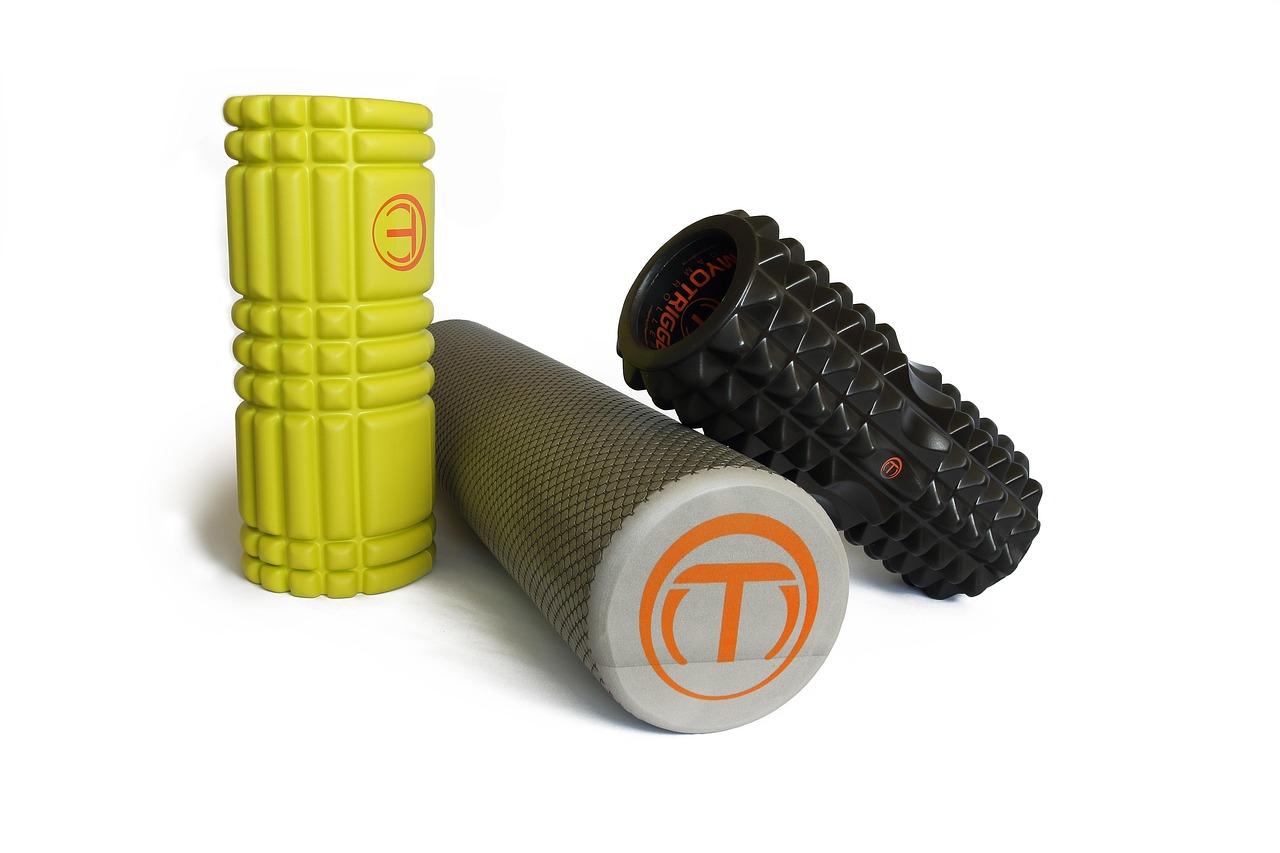
Incorporating cool-down techniques is vital for effective recovery. Cooling down allows the heart rate to gradually return to baseline levels, reducing the risk of dizziness or fainting after a strenuous workout. One effective method is performing static stretching. This technique elongates the muscles after they’ve contracted, aiding in flexibility. Combined with controlled breathing exercises, static stretching can also lower stress levels. Moreover, gentle movements like walking or light jogging after intense sessions help facilitate blood flow, which reduces the likelihood of muscle stiffness. These movements ease the transition from exertion to rest and promote muscle recovery. Foam rolling, another effective recovery method, works by applying pressure on tight muscle knots, promoting blood flow while alleviating tension. Regularly incorporating foam rolling post-workout can enhance your recovery process significantly over time. It’s essential to spend a dedicated time for recovery activities after every intense session. Establishing a routine might help reinforce these cool-down habits consistently. Moreover, the combination of stretching, foam rolling, and active recovery will contribute to muscle repair and overall performance benefits. Always commit to cooling down during every training session to optimize recovery.
An often overlooked aspect of recovery is nutrition, which plays a pivotal role in the recovery process. After high-intensity workouts, your body craves nutrients to repair muscles and replenish energy stores. Focus on consuming a balanced post-workout meal rich in carbohydrates and proteins. Carbohydrates help refuel depleted glycogen stores, while proteins are essential for muscle repair and growth. Skipping this meal may result in prolonged recovery times. Including foods like chicken, fish, vegetables, whole grains, or legumes can support recovery. Additionally, incorporating antioxidants in your diet can aid in combating inflammation that arises after strenuous workouts. Foods like berries, nuts, and leafy greens are excellent sources of antioxidants. Hydration is equally important; after intense training, consuming electrolytes becomes essential. Rehydrating with water or sport drinks can prevent dehydration and support optimal recovery. Scheduling meals and hydration time wisely within 30 minutes post-workout is a strategy many athletes adopt for optimal recovery. Understanding the nutritional requirements post-training helps to ensure your body builds strength and endurance effectively. Prioritizing nutrition as much as exercise can have profound impacts on recovery times and athletic performance.
Massage Therapy and Its Benefits
Massage therapy has gained recognition as an effective recovery method for athletes. Regular sessions can facilitate quicker recovery times by promoting blood circulation and reducing muscle tension. The art of massage encourages relaxation, enhancing both mental and physical recovery. Moreover, numerous studies suggest that massage can effectively alleviate delayed-onset muscle soreness (DOMS). Including a mix of light pressure and deep tissue massage techniques could provide a tailored experience based on individual needs. Self-massage techniques, such as using foam rollers or massage balls, can be excellent additions to a recovery routine. Learning how to target specific areas with precision can alleviate tension effectively and expedite recovery. The psychological aspect of massage therapy should not be underestimated; it fosters a mind-body connection that aids mental clarity and stress reduction. Ensuring a proper balance of professional therapy and self-care will provide substantial benefits. Additionally, scheduling regular massage therapy sessions could prevent injuries and enhance overall performance. Explore local options or mobile massage services to incorporate into your recovery regimen, optimizing your routine while ensuring you receive necessary care and resources.
Additionally, active recovery sessions play a significant role in improving recovery times. These low-intensity workouts are designed to promote blood flow without straining the muscles. Incorporating activities like light cycling, swimming, or yoga into your recovery can greatly enhance body healing. Active recovery has garnered attention for its effectiveness in reducing muscle soreness while maintaining your movement routine. Aim for 30-60 minutes of these low-impact workouts on your rest days, allowing for consistency without overwhelming your muscular system. This strategy can help in alleviating stiffness and can enhance mobility significantly. Additionally, these sessions can positively affect the mind by creating an enjoyable and refreshing break from high-intensity routines. It’s crucial to listen to your body during these sessions, adjusting the pace and intensity as needed. Focus on enjoyable activities that promote relaxation while keeping you engaged. Including variety in your active recovery can maintain motivation and excitement in your routine, ensuring long-term adherence. Active recovery options can help balance intensity and recovery seamlessly, empowering you to push harder during training while allowing your body and mind the necessary care and attention they deserve.
Hydration and Recovery
Hydration is often overlooked, yet it plays a critical role in the recovery process. Proper fluid intake is essential before, during, and after workouts to maintain optimum performance. Dehydration can lead to longer recovery times, fatigue, poor recovery, and diminished performance. After high-intensity training, replenishing lost fluids should be a priority. Water is crucial, but incorporating electrolytes aids in better recovery. Maintaining the right balance of sodium and potassium helps regulate fluid levels in your body. Consider drinks that contain electrolytes, especially after intense workouts, or consume foods naturally rich in these nutrients, such as bananas and spinach. Another helpful rule of thumb is to monitor your urine color. If it appears dark, it’s an indicator to hydrate more effectively. Developing a hydration strategy tailored to your needs could enhance your post-workout recovery significantly. Including hydration reminders within your workout routine can make a huge difference, keeping hydration front of mind. Committing to proper hydration will enhance your recovery habits and support overall performance longevity. Understand the science of hydration better to witness the positive impacts on your overall fitness journey.
Finally, considering the incorporation of recovery technology in your routine can offer numerous advantages. Many athletes are turning to tools such as compression garments, vibrational therapy devices, or cryotherapy for enhanced recovery results. Compression garments help reduce muscle soreness and swelling while promoting better blood circulation. Meanwhile, vibrational therapy allows muscles to relax and heal quicker, reducing recovery times significantly. Cryotherapy exposes the body to extremely cold temperatures, triggering anti-inflammatory responses to aid in muscle recovery as well. Investing in such technologies can enhance your regimen and offer unique recovery benefits. Some devices are portable and can easily be integrated into your routine, ensuring recovery remains manageable. Evaluating the benefits of available technologies can help you choose suitable options for your needs. However, it’s essential to balance technology use with traditional recovery methods for optimal results and avoid over-reliance. Always combine these techniques with well-established recovery practices such as hydration, nutrition, and active recovery. Maintaining adaptable recovery strategies and utilizing appropriate technology can optimize recovery outcomes. Stay informed about new recovery trends to maintain better performance levels through innovative yet balanced techniques.