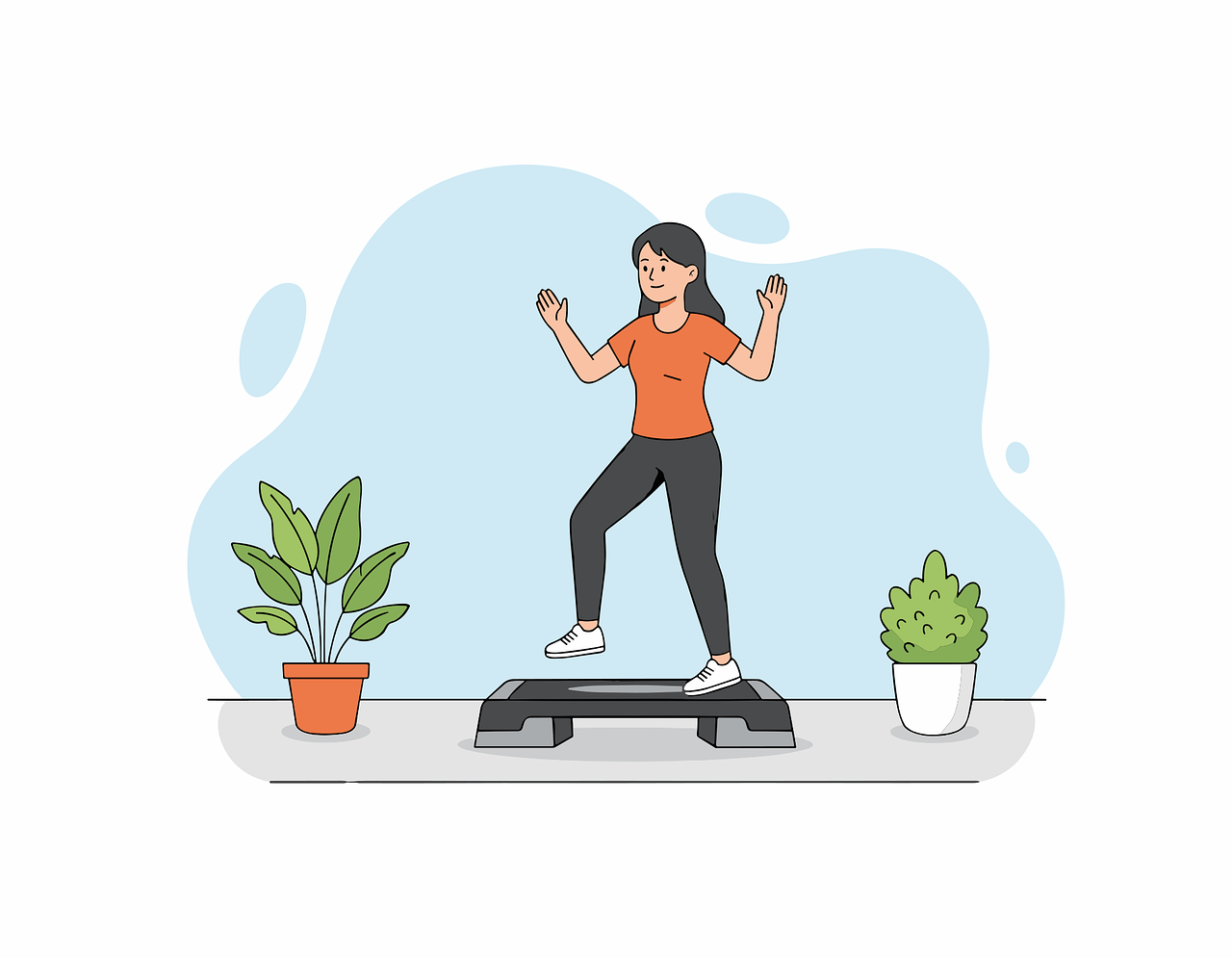

Women’s Fitness Myths: What Beginners Should Know About Workout Routines
Starting a fitness journey as a woman often means navigating a labyrinth of misconceptions surrounding workout routines. Many believe that if they lift weights, they will bulk up, but this is far from the truth. In reality, a well-balanced weight training routine helps tone muscles while increasing metabolism. The fear of gaining weight from strength training is outdated and scientifically unfounded. Women typically don’t produce enough testosterone to gain substantial muscle mass like men. Furthermore, understanding how workout routines affect our bodies can empower women to break free from these false narratives. For beginners, it is vital to realize that fitness is not solely about appearance but also enhanced health and wellness. It’s essential to set personal goals, whether to lose weight, improve strength, or enhance overall fitness. Therefore, implementing a diverse workout plan that includes cardio, strength training, and flexibility exercises will lead to the healthiest results. Consulting fitness experts can also provide tailored advice, helping you avoid misinformation and optimize your routine. Embrace your strength, and know that the only limits are the ones you set yourself.
Common Myths to Dispel
One pervasive myth among beginners is that they need to spend hours in the gym to see results. This misconception leads many women to feel discouraged when they cannot commit to lengthy sessions. In actuality, effective workouts can be completed in as little as 30 minutes, focusing on high-intensity interval training (HIIT), which is both time-efficient and effective. Another common myth is that certain exercises are exclusively for women or men. Exercises like squats or deadlifts benefit everyone, regardless of gender. Ignoring this can limit progress and motivation. It’s also frequently said that one should only exercise on an empty stomach for maximum fat burning. While some prefer exercising fasted, research suggests that it’s more important to maintain consistent workouts than focus solely on fasting. Moreover, women often feel pressured to conform to a specific aesthetic, particularly in group fitness settings. Remember, fitness is a personal journey—and celebrating your unique progress is key. Following varied and enjoyable workout routines will keep you motivated. Be open to learning and evolving, as your fitness journey is a lifelong commitment to health.
Another common misconception is that weight loss only occurs through cardio, leading many women to exclusively run or cycle. While cardiovascular exercises are beneficial for fat loss and heart health, incorporating strength training is equally critical for a balanced workout routine. Strength training not only helps in building lean muscle but also increases your resting metabolic rate, meaning you burn more calories even at rest. Understanding this can transform your approach towards exercise by indicating that a combination of cardio and weight training provides optimal results. Furthermore, many women think that they should never rest between workouts. In truth, allowing your muscles to recover is crucial for long-term success. Overtraining can lead to injuries and burnout. Schedule rest days, considering them essential to your routine. Another myth is that certain body types are unsuitable for specific workouts, but this is not true. Adaptability is key, and there are variations for every exercise that cater to different fitness levels. Focus on mastery of your forms rather than how you compare to others. Emphasizing individual progress leads to a more fulfilling journey toward fitness and well-being.
Emphasis on Nutrition
Nutrition plays an equally vital role in a woman’s fitness journey. Many beginners misconceive that they can outwork a poor diet. However, you can’t out-exercise bad eating habits. Understanding how to fuel your body with the right nutrients is imperative. Focus on eating whole foods that are rich in nutrients and low in processed ingredients. A balanced diet includes adequate amounts of protein, healthy fats, and complex carbohydrates. Protein is essential for muscle repair and growth, while good fats support hormonal balance. Complex carbs provide sustained energy for workouts, enabling better performance. Moreover, hydration is often overlooked but is crucial for overall health. Water aids digestion, regulates body temperature, and supports various bodily functions, so aim for adequate daily intake. Meal planning can significantly impact your progress. Consider preparing meals ahead, making healthier choices easier throughout the week. Additionally, listen to your body’s hunger cues; eating mindfully helps prevent overeating or nutritional deficiencies. Collaborate with a registered dietitian for personalized guidance, ensuring you have a tailored nutrition plan that complements your workout routine effectively.
Incorporating variety into workout routines brings excitement and engagement. Repetition can lead to boredom, making it essential to switch up workouts regularly. Try a mix of classes available from local gyms—whether it’s yoga, Pilates, or Zumba—to find out what you enjoy. Different exercises target various muscle groups, promoting balanced development, along with increased motivation. Setting both long-term and short-term achievable goals will help keep you focused and committed. Celebrate your successes, no matter how small, to encourage resilience on your fitness journey. Keep in mind that progress isn’t linear; fluctuations are a natural part of the journey. Rather than being discouraged, view these moments as chances to adjust and adapt your approach. Progress can also mean mastering a difficult exercise, improving technique, or simply feeling stronger in daily activities. Remember, fitness should be a positive and enjoyable experience, not a punishment. Surrounding yourself with a supportive community, whether friends or online groups, can provide motivation and camaraderie. Celebrate each milestone, as every step forward in your journey contributes to a healthier future.
Setting Realistic Goals
Setting realistic expectations for your fitness journey is crucial, especially for beginners. It can be disheartening to compare yourself with others in the fitness world, especially those who look fit on social media. Understand that everyone is at different stages in their journeys. Instead, focus on creating personal goals tailored to your lifestyle and fitness level. Avoid unrealistic timelines for weight loss or strength gains, as this can lead to disappointment and frustration. Instead of setting a target weight, think about aiming for specific fitness objectives, such as increasing the number of push-ups performed or running a particular distance. Adjust and refine these goals as you progress. Documenting your workouts can provide a roadmap of your achievements and help maintain accountability. Additionally, remember that consistency trumps intensity. It’s far better to integrate small, manageable workouts into your routine consistently than to go all out, then burn out entirely. Celebrate being active and developing healthy habits over a quick fix. Above all, be patient; the results you seek will come with time, so keep pushing toward your goals.
Finally, listening to your body is paramount as you embark on your fitness journey. Many women often ignore warnings their bodies provide, leading to overexertion or injury. Be attuned to how your body reacts to workouts and rest days, understanding when to push through or take a break. Early signs of fatigue or discomfort are signals that should not be overlooked. Prioritize recovery with activities that promote healing, such as stretching, foam rolling, or gentle yoga. In addition to physical awareness, mental well-being is vital. This journey should enrich your life, not create stress or anxiety. Develop a positive mindset, appreciating your body’s capabilities rather than focusing on its flaws. Engage in practices such as journaling or meditation to foster self-compassion and gratitude. Lastly, the fitness journey is a lifelong commitment, one filled with ups and downs. Embrace the adventure, learning from each experience along the way. Remember that you are not alone. Many women share these same fitness misconceptions, and together as a community, you can uplift and support each other.