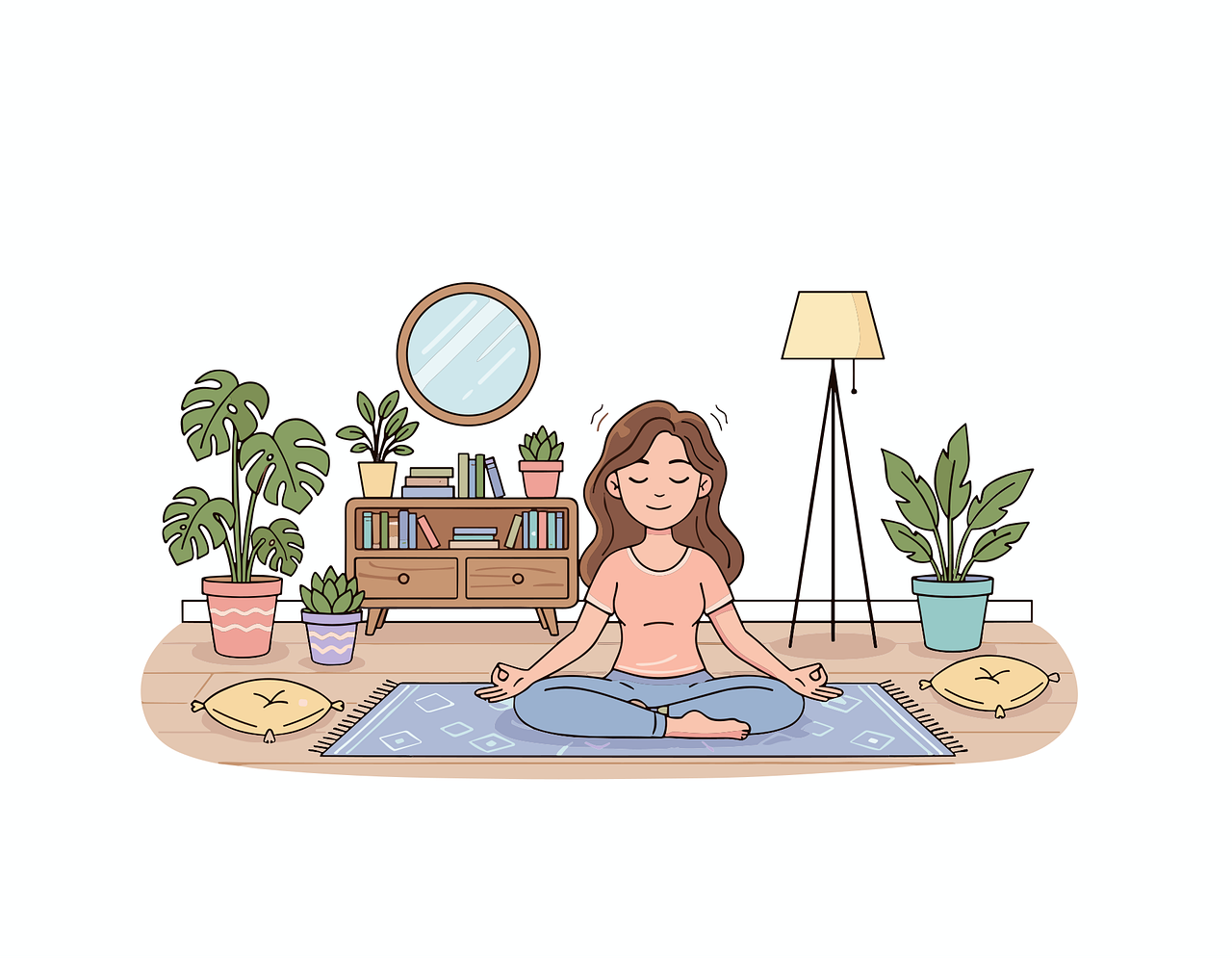

How to Create a Home Yoga Space for Stress Relief
Creating a home yoga space is an essential step towards managing stress effectively. First, consider your available space; room size can dictate how to arrange your area. Choose a quiet corner in your house, perhaps near a window that provides natural light and fresh air. This serenity in your surroundings greatly enhances your yoga experience. Keeping this area clean and clutter-free is crucial, as a tidy space can help you feel mentally clear and focused. Think about your surface too; a soft, supportive yoga mat makes a significant difference. Choose one that matches your comfort needs and aesthetics. Uniform colors or soft patterns can create a calming atmosphere that invites relaxation. Additionally, you can enhance your space with elements like plants or calming artwork. Greenery adds a touch of nature, promoting tranquility. Utilizing calming scents through essential oils or candles can further alleviate stress. Incorporate items that inspire peace, like inspirational quotes or images, to uplift your spirit during practice. This personalized space will help you unwind and establish a dedicated time for yourself, fostering both relaxation and mindfulness in your life.
Next, focus on the necessary equipment to aid your yoga practice. You’ll want a high-quality yoga mat, of course, but also consider accessories that can enhance your routines. Blocks can assist in achieving proper alignment during poses, providing stability and safety for your joints. Straps can help you deepen your stretches and improve flexibility over time, making the practice more rewarding. A blanket offers extra support during restorative poses, adding comfort and warmth. Ensure these tools are easily accessible in your yoga space and have a designated area for them so they don’t clutter your environment. An eye pillow or bolster, though optional, can also add an extra layer of relaxation. The ambiance of your yoga area should invite calmness; think about installing soft lighting. Dim lights or fairy lights can change the feel of the space, making it perfect for evening practices. Remember, creating this space is not just about physical placement but also about fostering a psychological environment conducive to zen. In this way, you’re forming a sanctuary where you can escape stress and rejuvenate your spirit. The right tools and ambiance will significantly enhance your home yoga practice.
Incorporating Mindfulness Techniques
Alongside a physical space, incorporate mindfulness techniques into your routine for effective stress relief. Begin by establishing a set yoga schedule that fits comfortably into your day. Consistency is key to building a habit. Before each session, take a moment to ground yourself. This can involve a short meditation, focusing on your breathing to center your energy. Intentional breathing can calm an agitated mind, preparing you for yoga. It’s essential to mentally disconnect from outside distractions, setting an intention for each session. Whether it’s seeking peace, gaining energy, or finding clarity, make this focus your guide throughout your practice. During your yoga flow, be present and attentive to bodily sensations, allowing yourself to feel and release tension. Consider integrating mindfulness into your poses; pay attention to how each movement affects your state of mind. After practicing, take time to reflect on your feelings; this helps reinforce the benefits of the session. This cyclical process of intention, practice, and reflection nurtures a positive mindset. Ultimately, with consistent effort, you can transform your home yoga space into a stress-reducing oasis of peace.
Furthermore, personalization can significantly enhance your home yoga space experience. Consider using colors that promote relaxation in your decor. Soft blues and greens are linked to tranquility, while warm tones can create a comforting feel. Choose decorative items reflecting your personality and spirit; these could be photos from inspiring moments or quotes that uplift you. Lighting can be personalized too, whether it’s a salt lamp for a warm glow or scented candles that establish your preferred ambiance. Incorporate a sound system for calming music or nature sounds; this can help transport you to a serene mental state during your sessions. You might also create a playlist of your favorite tracks to enhance your practice. Furthermore, consider displaying your achievements or progress in yoga; this can motivate you and mark your journey. As you develop this space, it becomes more than just a corner of your home. It evolves into a sacred spot dedicated to your self-care and stress management. Each personal touch contributes meaning, making it an inviting retreat. The more you nurture this environment, the more effective it will be at supporting your stress management goals.
Establishing a Routine
A successful home yoga practice heavily relies on creating a routine that you can follow easily. Begin each week by scheduling specific days and times dedicated to yoga. Consistency aids in developing this enjoyable habit; think of it as an ongoing gift to yourself amidst life’s busyness. Try to choose moments when you naturally feel more energized or less occupied. Even just twenty minutes can significantly alleviate stress, so aim for what feels achievable. Mixing different yoga styles throughout the week can keep your routine fresh and exciting. You might integrate restoration sessions with slower poses or try flow sequences to energize your spirit. Ensure to include cooldown periods during each session as they are essential for transitioning your body and mind back into the present moment. After some time, reflect on your progress through journaling or self-assessment. This can involve noting how you feel before and after practice, tracking changes in mindset or physical well-being. Small adjustments can optimize your routine even further. Listening to your body and adapting as needed will enhance the effectiveness and enjoyment of your at-home sessions over time.
As your practice evolves, consider incorporating guided sessions or online classes to enhance your home yoga experience. Many platforms offer diverse yoga videos tailored for stress relief, providing variety and professional guidance. Engaging with a wider community can also help motivate and inspire you. YouTube is a treasure trove of free content where various instructors share unique sequences. You can find everything from beginner classes to advanced flows and more creative practices like aerial or chair yoga. These resources can introduce new techniques and enrich your understanding of yoga. However, focus on selecting instructors who resonate with your goals, ensuring their teaching style matches your preference. Online classes can enhance your skills while keeping your practice dynamic and fulfilling. Connecting with others through online forums or social media can provide camaraderie and additional insights from fellow practitioners. Sharing your experiences can deepen your commitment as it often encourages accountability. Also, don’t shy away from participating in live-streamed classes, enhancing interaction and connection. Embracing automation in your routine can not only enhance your technique but expand your learning as well.
Creating Closing Rituals
In establishing a home yoga practice, consider incorporating closing rituals to enhance your mindfulness and relaxation. At the end of your sessions, take moments of stillness to integrate the benefits you’ve experienced. A gentle savasana, or corpse pose, allows your body to absorb the practice effects profoundly; spending just a few minutes here can be rejuvenating. Consider concluding with gratitude, either through silent reflection or speaking aloud what you appreciate about the session. This practice cultivates a positive mental space, reinforcing the calming effects of your yoga. A closing ritual can also involve breathing exercises, allowing you to consciously release any lingering tensions. It could also be helpful to visualize your stressors melting away with each exhale. With time, this sequence can deepen your relaxation and train your mind to recognize time spent on the mat as essential. You might even consider keeping a journal reflecting on each practice’s learning or feelings afterward; this fosters growth and understanding. Over time, these rituals contribute to your practice’s overall purpose, ensuring your yoga sessions are integral to stress management and emotional well-being in daily life.
In conclusion, creating a dedicated home yoga space can work wonders for stress relief and overall well-being. Choosing the right location, using suitable equipment, and personalizing the ambiance elevates your practice. Routine establishments enhance commitment and consistency, while mindfulness techniques deepen your experience on the mat. Incorporating external resources and guided sessions may flourish your skill set, offering variety and motivation. Ending each practice with a closing ritual solidifies your mental calm and mindfulness. This dedicated space will empower your journey toward a more balanced, stress-free life through regular yoga practice. The journey to stress management is ongoing, and nurturing your home yoga sanctuary is a significant step in this journey. As you cultivate this space to reflect your needs and preferences, you cultivate a positive self-care routine within which you can thrive. Over time, it can even lead to transformative effects that positively impact all areas of your life. Ultimately, your personal yoga space can bring relaxation, creativity, and peace into your home, creating an oasis where stress is alleviated and mindfulness flourishes, enabling you to live your best, most centered life.