
Effective Workout Strategies for Middle-Aged Adults
Middle age can be an ideal time to focus on fitness, especially with the right strategies in place. One of the key aspects of training at this stage is understanding how the body changes as we age. It’s important to acknowledge decreased muscle elasticity and potential joint limitations. Strength training becomes crucial, as it helps to preserve muscle mass and encourage bone density. Additionally, incorporating flexibility exercises can counteract stiffness. The combination of strength and flexibility training should be arranged smartly throughout the week. It’s advisable to start with a warm-up of about 10 minutes followed by the main workout, which could involve using resistance bands or bodyweights. Including workouts like yoga or Pilates can also contribute to increased flexibility and improved balance. Recovery days are equally essential to allow your body to heal. Engaging a certified personal trainer, particularly one familiar with age-specific training, can provide tailored guidance. They can aid in developing an effective program, ensuring the right balance of strength, flexibility, and cardiovascular training needed for overall health.
To further enhance workout routines, it’s pivotal to set realistic and achievable fitness goals. Establishing both short-term and long-term goals can motivate individuals to stay on track. Short-term goals might include increasing the number of reps, while long-term goals could involve running a 5K or maintaining a specific weight for a set period. Keeping a fitness journal to track progress can provide motivation and accountability. Moreover, nutrition plays a vital role in fitness, especially for middle-aged adults. To support their training, adults should prioritize a balanced diet rich in lean proteins, healthy fats, and whole grains. Staying hydrated is equally important; thus, drinking enough water can support exercise performance and recovery. Apart from nutrition, adequate sleep is crucial for repair and overall well-being. Middle-aged adults often require 7-9 hours of quality sleep each night. As they develop their fitness plan, they should factor in lifestyle changes that may affect their routine, such as work schedules or family commitments. Adjustments to one’s routine can significantly improve the experience and results of regular workouts.
Incorporating Cardiovascular Fitness
Cardiovascular fitness is essential for improving heart health, stamina, and weight management. For middle-aged adults, engaging in low-impact cardiovascular activities can minimize stress on the joints while still providing beneficial workouts. Suitable activities include brisk walking, cycling, swimming, or even moderate dance classes that involve rhythmic movements. These exercises should ideally be included at least three to five times a week for optimum results. When starting, a gradual increase in duration and intensity is advised to prevent injury. For instance, beginning with 15 to 30 minutes of brisk walking can be an excellent starting point. Over time, gradually increasing the intensity by incorporating jog intervals can provide a significant boost. Monitoring heart rate during cardio workouts can be an effective way to ensure workouts stay within safe limits while maximizing benefits. Wearing a fitness tracker may also help keep tabs on progress while making workouts engaging and fun. Always consult with a health professional before starting any new cardiovascular program, especially if there are pre-existing health concerns. Listening to one’s body is crucial; adjustments may be required based on fatigue and physical response.
Strength training has profound implications for middle-aged adults, contributing to muscle maintenance, metabolic health, and bone density. A sensible approach includes utilizing weights, resistance bands, or body resistance workouts that target major muscle groups. A well-rounded strength training regimen should cover all areas, including upper body, lower body, and core. Aiming for at least two days of strength training per week can significantly enhance muscular fitness. It’s critical that the first sessions focus on learning the correct form to minimize injury risks. Working with a professional trainer to ensure proper technique is invaluable, especially when using free weights. Additionally, individuals should prioritize compound movements, such as squats, lunges, and push-ups, as they engage multiple muscle groups and stimulate more significant benefits. Moreover, engaging in progressive overload—gradually increasing weights or resistance—helps build strength over time. After significant weight training, incorporating restorative practices, such as stretching or foam rolling, can enhance recovery. This approach not only mitigates soreness but also assists in maintaining flexibility, further supporting enhanced performance. Emphasize the importance of consistency over perfection in strength training for lasting benefits.
The Role of Flexibility and Balance
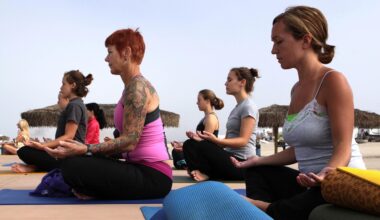
Flexibility and balance training often takes a back seat but are vital components for middle-aged adults. As individuals age, the risk of injury increases, making it essential to incorporate activities that promote flexibility. Stretching routines can help improve range of motion, thereby enhancing performance in both strength and cardiovascular workouts. Daily stretching exercises, particularly after workouts, can warm the muscles and increase blood flow. Additionally, yoga or Tai Chi practices can be incredibly beneficial as they focus on both flexibility and balance. These activities not only improve physical aspects but also emphasize mental clarity and relaxation, providing stress relief. Balance exercises, such as standing on one leg or heel-to-toe walking, become increasingly important as they reduce the risk of falls. Regular practice can significantly enhance stability and coordination. Maintaining this aspect of physical fitness is especially beneficial in daily activities. For older individuals or those with balance concerns, consulting with a physical therapist may provide targeted exercises to improve stability. These training elements create a comprehensive fitness program that coalesces strength, cardiovascular, and flexibility training, promoting overall health as they age.
Nutrition greatly influences training outcomes, particularly for middle-aged adults. A diet focusing on whole foods covers the nutrient needs essential for recovery and muscle maintenance. Lean proteins, found in chicken, fish, and legumes, aid in muscle repair, particularly after strength sessions. Furthermore, whole grains can provide sustained energy levels during workouts, which is critical as metabolism naturally slows. Including ample fruits and vegetables offers antioxidants that combat inflammation and support overall recovery. Healthy fats like avocados, nuts, and olive oil also play a vital role in maintaining heart health. It’s prudent to limit processed foods high in sugar and sodium, as they can adversely affect energy levels and health outcomes. Planning meals around workout schedules enhances focus, ensuring meals are sufficiently timed to fuel training effectively. Moreover, understanding portion control helps avoid overindulgence, which can be tempting with an active lifestyle. Developing healthy eating habits can be more effective when guided by nutritional experts. With their help, middle-aged adults can establish a diet that aligns with their fitness aspirations, contributing positively to their overall well-being and health.
Prioritizing Recovery and Mindfulness
Recovery is just as vital as the workouts themselves, particularly for middle-aged adults striving to stay fit. Overtraining can lead to burnout, injuries, and even decreased motivation, making it essential to prioritize rest days in any fitness regime. During recovery periods, the body engages in vital healing and muscle-building processes. Incorporating activities such as gentle yoga, walking, or even massage can aid in recovery, providing relaxation and relieving tension. Furthermore, establishing a mindfulness practice can significantly enhance recovery. Mindfulness techniques, like meditation and deep-breathing exercises, can alleviate stress and improve mental clarity. Reducing stress hormones that often lead to fatigue helps facilitate better sleep patterns. Quality sleep is integral, allowing for physical and mental recovery, which directly impacts training performance. Ensuring a consistent sleep schedule supports overall wellness and energy levels. As individuals progress in their fitness journeys, encouraging a positive mindset can cultivate resilience and motivation, creating a sustainable approach to health. Setting aside time for recovery, along with engaging in mindfulness practices, will solidify an effective overall fitness strategy for middle-aged adults, enhancing the benefits of physical training.
In conclusion, effective workout strategies for middle-aged adults are multifaceted, focusing on strength, cardio, flexibility, nutrition, and recovery. Developing a fitness plan that incorporates each of these elements ensures comprehensive health support tailored to the unique needs of this age group. Engaging a fitness professional can provide the guidance needed for individualized programs, ensuring that activities match personal fitness levels and goals. Establishing realistic goals supports continuous motivation and helps track progress, contributing to long-term adherence to exercises. Focusing on core fitness components like balance and flexibility can prevent injuries, creating a safer workout environment. Additionally, understanding the importance of a nutrient-rich diet and proper hydration enhances training outcomes and overall well-being. Recognizing that mindfulness and recovery practices are vital for mental and emotional health completes the holistic approach to fitness. Over time, these strategies can lead to improved quality of life, increased longevity, and better vitality. As middle-aged adults embark on their fitness journeys, they should embrace the significance of gradual improvements in performance. Such approaches foster sustainable health and encourage ongoing exercise as an integral part of daily living.