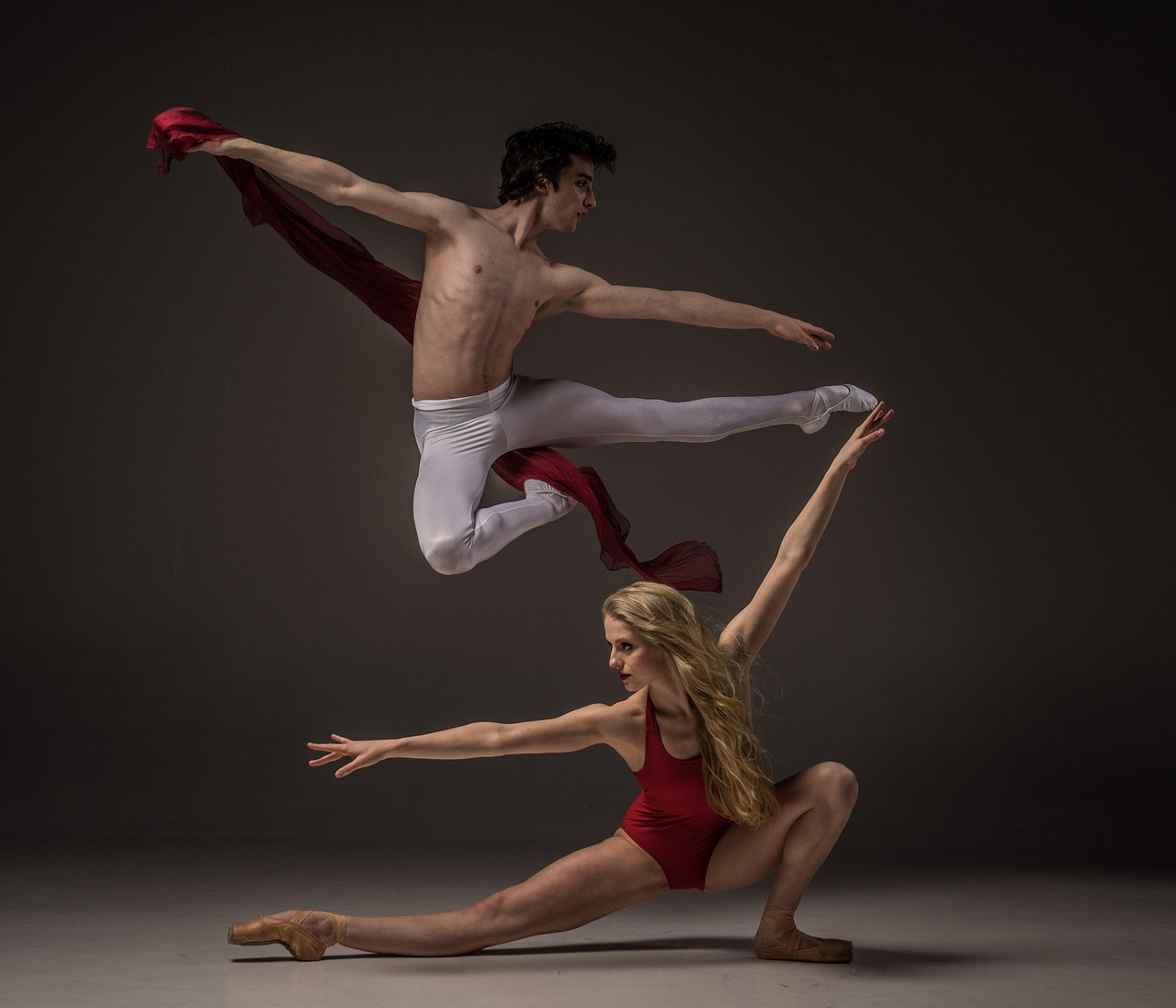

Core Stability and Its Impact on Dance Technique
Core stability is essential for dancers, serving as the foundation for effective and graceful movement. It influences not just balance but also strength and control. A stable core allows dancers to maintain proper posture while executing complex movements. This enhances the dancer’s ability to transition seamlessly between various dance styles. Incorporating strength training targeting core muscles can significantly improve technique. Dancers often overlook core training, focusing more on flexibility and cardio, which can lead to imbalances. To develop core stability, dancers should engage in exercises that build strength, like planks and bridges. These strengthen abdominal muscles, lower back, hips, and pelvic floor, forming a solid support system. Without a stable core, a dancer risks losing balance and control, which can lead to injuries. Proper core strength also contributes to a more expressive performance. It enables dynamic movements, adding flair and precision. Ultimately, core stability is not merely beneficial; it is a necessity for every dancer. Successfully focusing on the core’s strength will enhance overall dance performance and technique, elevating a dancer’s skills. Consistent practice is key to achieving these benefits.
As dancers progress in their training, they will discover that the connection between core stability and technique is undeniable. When the core is engaged properly, movements become more effortless and fluid. This natural flow can greatly enhance the aesthetic quality of any dance performance. Moreover, core support is vital for maintaining alignment during various dance positions and movements. Poor alignment can lead to strain and fatigue, ultimately impacting a dancer’s endurance over time. Therefore, incorporating core exercises into a daily routine is paramount. Effective exercises can include Pilates and yoga, which focus on core engagement and strengthening. These practices help dancers gain awareness of their bodies, making them more in tune with their movements. Being aware of one’s body during dance creates a more cohesive performance. Additionally, cross-training with strength exercises tailored to improve core stability allows dancers to develop better body mechanics. Weight training targeting core muscles also yields great results. A strong core provides a significant advantage in executing jumps, turns, and other dynamic movements. Dancers show improved velocity, better landings, and increased overall performance confidence when these techniques are applied.
Benefits of Core Stability in Dance
Understanding core stability extends beyond just aesthetics and performance; it also encompasses injury prevention. A strong core supports proper movement patterns, which reduces the likelihood of misalignment and injury. Injuries among dancers often stem from muscular imbalances, showcasing the necessity of addressing core strength. Inadequate core strength can lead to compensatory movements, putting undue stress on other body parts. Conversely, a well-developed core stabilizes the spine and pelvis, promoting proper technique execution during dynamic routines. Core stability affects the dancer’s ability to hold positions, sustain movements, and initiate changes in direction. This contributes to overall athleticism in dance. Improved movement efficiency translates to increased energy conservation, allowing dancers to extend their practice sessions without fatigue. Moreover, core stability helps in achieving greater control over movements. This control reflects precisely in how dancers convey emotion through choreography. It enables artists to deliver performances that are not only technically sound but also emotionally captivating. Thus, strength training for core stability is invaluable. Committing to core-centric exercises yields benefits that influence various aspects of a dancer’s journey and can significantly enhance their artistic expression.
Incorporating core training is essential for dancers of all levels, from beginners to professionals. Different training programs can be tailored according to the dancer’s needs and skill levels. For beginners, foundational core exercises lay the groundwork for stability. By integrating simple yet effective routines, dancers can develop a basic understanding of how to engage their core during practice. As dancers advance, progressive layering is beneficial. Challenging the core by introducing varied functional movements and resistance training can yield significant improvements. Functional strength exercises mimic the movements required in dance. This approach enables dancers to build strength in ways that directly translate to their performance. As they become more comfortable, they can explore more dynamic exercises that mimic dance moves themselves. Core stability is only one component of a dancer’s training, but it forms the backbone of their overall fitness. Investing time in core strength can lead to major gains in technical execution. Ultimately, the effort spent on strengthening the core will translate into more confidence on stage. This confidence is crucial and can differentiate an adequate performance from a truly memorable one.
Integrating Core Strength into Dance Training
To effectively integrate core strength training into dance routines, developing a structured workout plan is crucial. This plan should include exercises targeting all core muscle groups. Consider creating an engaging cross-training schedule that allows dancers to work on their core regularly. It’s important to balance these sessions with dance practice while ensuring recovery time. Options like Pilates can be especially beneficial for dancers seeking focused core work. The use of stability balls, resistance bands, and Bodyweight compounds creates variety in the training. These tools stimulate various muscle groups while promoting core activation. Focused training not only enhances strength but also contributes to overall body awareness. Encouraging dancers to feel how their body moves during exercise can immensely improve their dance quality. Additionally, ensuring that each dancer understands the core’s role in movement can establish a solid foundation for mastery. For those new to core training, workshops led by experienced instructors can initiate proper techniques. This kind of guidance can greatly enhance understanding and application. Overall, consistent integration of core stability exercises leads to noticeable improvements in performance and reduces injury risk.
The role of mental focus cannot be overlooked when discussing core stability and dance technique. Dancers must cultivate a strong mind-body connection to engage their core effectively. Visualization strategies can be useful for this purpose. Imagining the core as the central powerhouse can motivate dancers during challenging routines. In addition, mindfulness during practice helps enhance the effectiveness of core training. Engaging the core while executing movement requires concentration. When dancers maintain awareness, it becomes easier to develop strength and stability. Moreover, training incorporates breath control, which is also vital. Learning to synchronize breath with movement teaches control and improves endurance. As dancers work on their core, it is essential to emphasize quality over quantity. Mastering fundamental movements before advancing to complex routines ensures a stable foundation. By prioritizing core training, dancers can refine their skills and express themselves more fluidly. The confidence gained through strong core stability positively affects performance delivery. This confidence often translates into more captivating performances, resulting in stronger emotional connections with the audience. Through consistent focus on core strength, dancers unleash their creative potential, achieving artistry alongside technical proficiency.
Conclusion: The Path to Stronger Dance Technique
In conclusion, focusing on core stability is essential for any dancer aiming to enhance their technique. The benefits extend beyond mere performance; they encompass injury prevention and overall body awareness. Dancers should recognize that core training is vital for balance, posture, and strength. By integrating specific exercises into their training routines, they can achieve greater heights in their performance quality. Emphasizing the importance of a strong core cultivates a holistic approach to dance. It also opens doors to innovative expressive possibilities. As performers become more skilled in engaging their core muscles, they will notice smoother transitions, more articulate movements, and improved athleticism. Practicing mindfulness and breath coordination fosters a deeper connection between the mind and body, ultimately elevating overall technique. Through disciplined practice, dancers will find that their growth is substantial over time. Engaging with core strength not only produces technical benefits but also nurtures confidence. Developing a robust core fosters a culture of fitness and motivation within dance communities. As dancers build on these foundational principles, they set themselves up for long-term success both on stage and in personal development.
Every dancer must recognize that enhancing core stability involves commitment and perseverance. The journey to strengthen the core is ongoing and must be adapted based on progress. Integrating feedback from instructors enhances development and fosters real-time adjustments during practice. As dancers evolve, they should not hesitate to explore new methods to challenge their core. Utilizing creative training solutions, engaging workshops, and varied exercises cultivates excitement in the routine and keeps motivation high. Dancers who prioritize their core will undoubtedly experience improvements in their overall performance. This dedication not only contributes to better technique but fosters a positive mindset that can enhance performance pressure. By creating a strong platform for their dance journey, dancers can pursue artistry with a solid foundation. Ultimately, core strength is the unsung hero of successful dance performances. Its impact may not always be visible, but its influence is profound. Emphasizing core stability transforms how dancers experience their craft and connects with others through movement. Every effort spent on strengthening the core resonates in their journey, portraying artistry in motion. It is clear that a strong core is truly essential for any dancer involved in the craft.