
Combining Cardio and Bodyweight Exercises for Maximum Fat Burn
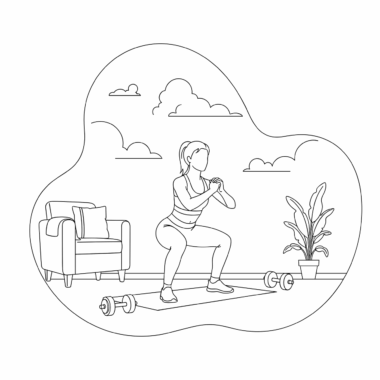
In today’s fitness world, maximizing fat burn involves more than just doing traditional cardio exercises. One effective approach is combining cardio with bodyweight exercises. Bodyweight exercises allow you to build strength while improving your cardiovascular fitness. This dual approach not only aids weight loss but also enhances muscular endurance. Examples of bodyweight exercises include push-ups, squats, and burpees, which can be performed without equipment. When paired with cardio activities, like running or cycling, you can stimulate more calorie burning. Interval training is an excellent method to elevate both your heart rate and muscle engagement. For instance, you might sprint for a minute before switching to push-ups. This approach varies the intensity and challenges your body, enabling more significant fat loss. To effectively integrate these two forms of workouts, start by defining your fitness goals. Consider your current fitness level and schedule as you design your routine. Aim to exercise several times a week, alternating between cardio and bodyweight training for optimal results. Staying consistent is key, and ensure you’re also adhering to proper nutrition for maximum benefits.
Consistency in your workout routine is essential when combining cardio and bodyweight exercises. The key to effective fat loss lies in maintaining a regular schedule. This enables your body to adapt, thereby improving endurance and strength over time. Additionally, mixing cardio with strength-focused workouts, such as bodyweight exercises, reduces the risk of workout monotony. Choose various types of bodyweight movements to keep things interesting, and prevent plateaus. This might include lunges, planks, and jumping jacks, which target different muscle groups and engage your core. Incorporating such variety not only fuels motivation but also leads to a more comprehensive workout. You might consider setting specific weekly goals that incorporate both cardio and bodyweight exercises to measure progress effectively. Aim for different workout lengths and intensities to promote consistent improvement. Moreover, don’t forget to include active rest days, where you engage in lower-intensity activities to support recovery. Together, this will allow you to enjoy a balanced workout experience while promoting fat loss. Tracking your progress can be greatly beneficial and help in keeping you accountable.
The Benefits of Combining Cardio with Bodyweight Exercises
Combining cardio with bodyweight exercises has significant benefits beyond just weight loss. This holistic approach increases cardiovascular health, enhances muscle strength, and boosts endurance. One of the primary advantages is that it provides a comprehensive workout that develops both aerobic and anaerobic systems. Cardiovascular exercises improve heart health, allowing for better oxygen circulation throughout the body. Meanwhile, bodyweight exercises focus on muscle endurance and strength, leading to overall fitness enhancement. Furthermore, engaging both systems simultaneously increases metabolic rates long after the workout is completed. High-intensity interval training (HIIT) is a prime example of this method, combining short bursts of intense cardio with bodyweight strength movements. Additionally, bodyweight exercises can be easily adjusted to match your fitness level, making this a flexible and adaptable workout option. This adaptability makes it a fantastic choice for individuals who may be starting their fitness journey or want a place to grow. Accessibility is another benefit; these exercises can be performed almost anywhere, obviating the need for a gym environment. By melding these two methodologies, you create a well-rounded approach to fitness that’s efficient.
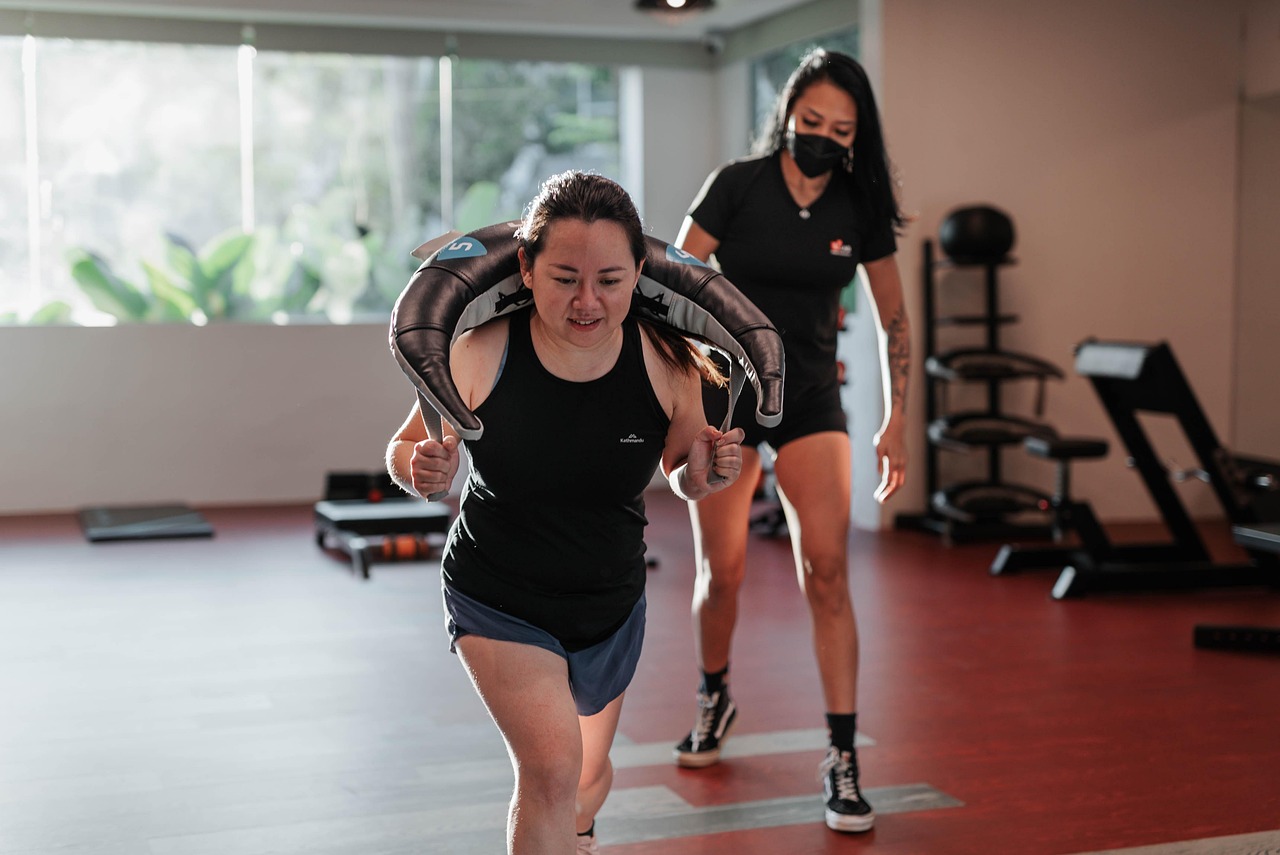
While progressing with these combined routines, it’s crucial to monitor your body’s response. Pay attention to your energy levels, as some workouts might lead to fatigue. For those just starting, it’s wise to pace yourself. You can gradually increase intensity and duration as your body adapts to the new challenges. It’s also important to ensure proper form in bodyweight exercises to prevent injury. Focus on maintaining good technique before attempting more complex variations. As you gain confidence and strength, consider incorporating more advanced movements such as one-legged squats or plyometric variations. This progression allows your body to build strength without relying heavily on weights, enhancing functional fitness. Scheduling different body areas for targeting can help avoid overtraining a specific muscle group. For instance, alternate between upper body and lower body workouts within the week. Consistently adjusting your routine not only keeps your workouts engaging but also plays a significant role in fat loss. Besides enhancing physical appearance, it can also improve your mental well-being, creating a positive feedback loop between body and mind.
Nutrition: A Crucial Element
Incorporating cardio and bodyweight exercises into your routine isn’t the only requirement for maximizing fat burn; proper nutrition plays a crucial role too. It’s important to fuel your body with the right macronutrients. Focus on a diet rich in lean proteins, healthy fats, and carbohydrates for sustained energy. Proteins are vital for muscle recovery, especially after strength workouts. While carbohydrates provide immediate energy for your cardio sessions, healthy fats support long-term energy needs. Consider planning your meals around your workout schedule for optimal results. Avoid processed foods and sugary snacks, which can hinder your progress. Instead, focus on whole foods such as fruits, vegetables, and whole grains to nourish your body effectively. Hydration is also vital during your training sessions. Drink plenty of water before, during, and after workouts to maintain peak performance levels. As you adjust your eating habits, consider tracking your food intake to ensure you’re meeting your nutritional needs. Combining a well-balanced diet with the right exercise can significantly enhance your fat-burning journey.
Finally, remember the importance of recovery in any fitness regime. Recovery time allows muscles to repair and grow stronger, which is essential when engaging in combined workouts. Post-workout recovery should prioritize rest and proper nutrition. Incorporate stretching exercises to promote flexibility and reduce muscle soreness. Additionally, consider adding activities like yoga or pilates, which help in recovery phases. These low-impact sessions improve blood flow and enhance overall mobility, creating a more balanced workout routine. Sleep plays a vital role in recovery as well, so ensure you get adequate rest. Aim for seven to nine hours of good-quality sleep each night. Sleep helps in muscle repair and hormonal balance, both crucial for fat loss. Integrating rest and recovery days into your workout schedule can often lead to long-term adherence to your fitness goals. Reinforcing the habit of taking care of your body will not only make your workouts more effective but also more enjoyable. Balance, recovery, and nutrition combined with cardio and bodyweight exercises vastly improve fat loss outcomes, creating the healthiest version of you.
Tracking Progress and Staying Motivated
To achieve fitness goals realistically, tracking your progress is paramount. It allows you to measure your workouts and body changes accurately. Journaling your routine can offer insights into your performance, strengths, and areas for improvement. Consider setting both short-term and long-term goals to keep your motivation levels high. For example, aim for a specific number of workout sessions weekly or qualitative improvements like doing more repetitions or achieving a new bodyweight exercise. Utilizing apps that track workouts or even wearable technology can provide additional motivation as well. Also, remember that motivation can fluctuate; prepare for days when energy levels might dip. Have a backup plan for those instances, whether it’s engaging in lighter activities or modifying exercises without losing the workout benefits. Connecting with fitness communities, either online or locally, can also provide extra motivation. Sharing progress, challenges, and victories enhances accountability. Remember, fitness is a journey and not a sprint. Embracing this mindset fosters a balanced approach and lays the groundwork for long-term health.
Finally, to strengthen your understanding of fat loss through combined workouts, consider conducting research about various methodologies to remain informed. Educate yourself on advanced techniques, recovery practices, and nutrition principles to sustain your motivation and progress. Online resources, fitness books, or consulting with a trainer can help guide you towards the knowledge that benefits your journey. Focusing on learning keeps your mind engaged while striving for your fitness goals. Additionally, as you familiarize yourself with different strategies, you can customize your workouts according to what resonates with your personal needs. Tailoring your bodyweight and cardio combinations uniquely ensures that you enjoy the process, leading to enduring habits.Celebrate your achievements along the journey, no matter how small—these milestones remind you of your commitment to health and fitness. Be proud of every step, regardless of whether it’s increased endurance, strength, or weight loss. This attitude reinforces positive behavior, motivating you to continue working hard. The goal is a lifestyle change, not just a number on a scale. By viewing fitness holistically, you’ll find satisfaction in your progress and enjoy the journey toward a healthier you.