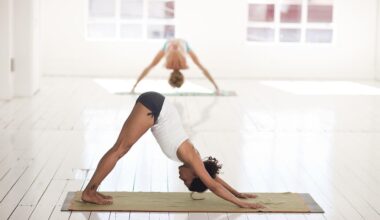

Using Meditation to Improve Athletic Performance
Athletic performance can often seem daunting, filled with challenges that require both physical and mental engagement. By incorporating meditation into training routines, athletes can develop a profound mental resilience. Meditation helps athletes balance rigorous training schedules and performance pressure through mindfulness. By being aware of their thoughts, athletes can reduce stress, which often impacts physical performance. Focused meditation techniques cultivate an environment where athletes can enhance their concentration, visualizing successful performances and overcoming performance anxieties. Moreover, deep breathing practices can improve oxygen delivery to muscles, enhancing endurance and stamina during training or competition. Research has indicated that individuals who regularly meditate see improvements in focus along with decreased anxiety levels, which can be beneficial before competitions. To enhance the effectiveness of meditation, athletes can establish a dedicated time each day to practice mindfulness. Creating a calm space aids in fostering a routine that leads to better mental and physical integration. To sum up, meditation is not just about relaxation; it’s a comprehensive tool that prepares an athlete’s body and mind for the rigors of competition while promoting overall well-being.
In addition to enhancing physical performance, meditation aids in injury recovery. Injuries are common in various sports, leading to physical limitations and, at times, mental stagnation. Athletes often experience frustration and anxiety surrounding their recovery process. Incorporating meditation can alter the perception of pain, reducing friction with rehabilitation efforts. Through mindfulness, athletes can foster a positive mindset that supports healing, embracing patience during recovery without losing motivation. Visualization techniques also play a crucial role, allowing athletes to mentally rehearse movements they wish to regain after an injury. This mental rehearsal can improve muscle memory and reacquaint the body with previously performed movements, enabling a smoother return to sport. Meditation practices that focus on gratitude can also bolster emotional well-being during rehabilitation. By acknowledging progress, no matter how small, athletes can develop resilience and remain positive amidst challenges. Regular meditation can transform the recovery journey into an opportunity for growth. Ultimately, meditation is a vital cog in the wheel of recovery that sets a strong foundation for successful athletic performance post-injury. Thus, athletes should embrace meditation as integral to their fitness strategies for enduring mental fortitude and resilience.
The Science Behind Meditation and Fitness
Scientific research continues to unveil the positive effects of meditation on physical performance. Studies show that regular meditation leads to increased gray matter density in brain regions responsible for executive functions, emotional regulation, and memory. This enhancement in cognitive function contributes to improved focus and better decision-making during high-pressure athletic scenarios. Moreover, meditation has been noted to lower cortisol levels, a stress hormone directly linked to performance anxiety. By controlling cortisol levels, athletes may enhance their energy levels and focus, leading to optimal performance. Interestingly, research also highlights how guided meditations tailored for athletes can improve specific mental skills critical in competition. Through developing a closed-loop feedback mechanism during practice sessions, athletes can identify their mental strengths and weaknesses, consequently allowing them to target areas for improvement. Furthermore, a calmer mind translates to better physical performance, showcasing the interconnectedness of mental training and physical readiness. Athletic organizations are integrating mindfulness training into their programs, recognizing meditation’s value. Thus, embracing mindfulness not only enhances mental skills but also significantly influences athletic performance on various levels. Athletes are encouraged to explore meditation to unlock this potential benefit.
Integrating meditation into fitness routines requires a structured approach for it to yield benefits effectively. Athletes should start with short sessions of meditation, gradually increasing the duration as they become more comfortable. Short practices, about five to ten minutes, can be easily incorporated into warm-ups or cool-downs. Set a consistent time daily to create a habit, such as in the morning or before bed. As athletes build their practice, they can explore different styles of meditation, including mindfulness, transcendental meditation, or guided sessions. Moreover, leveraging technology can facilitate meditation practices through dedicated apps that provide guidance, timers, and tracks for progress. These resources can serve as reminders to meditate and introduce various techniques beneficial for enhancing performance. Additionally, practitioners can find communal benefits by joining meditation groups tailored for athletes, fostering camaraderie and shared experiences in mental training. This collective journey deepens the understanding of mindfulness in fitness, creating a supportive environment for consistency and growth in both meditation and physical capabilities. The endless ways to implement meditation into one’s lifestyle open doors to personal improvement and a deeper connection with one’s athletic purpose.
Challenges in Implementing Mindfulness
Despite the proven advantages of meditation, athletes may encounter challenges in implementation. One of the most common hurdles is finding the time required for a consistent practice amidst tight training schedules. Busy athletes may feel overwhelmed with workout commitments, inadvertently pushing mindfulness to the sidelines. Time management becomes a crucial skill in overcoming this barrier, as even short daily sessions yield significant benefits. Another challenge is dealing with a racing mind, where thoughts repeatedly interrupt the meditation process. Athletes must remember that mindfulness practice is not about eliminating thoughts but rather learning to observe them without judgment. Persistence is vital in developing this skill over time. Additionally, misconceptions surrounding meditation may lead to skepticism; some may view it as incompatible with their competitive nature. Education on the science and benefits of mindfulness in sports can help dispel these myths. Athletes should engage their coaches and sports psychologists to seek tailored meditation practices that align with their competitive goals. Addressing these challenges ensures athletes can leverage the benefits of meditation fully, fostering not just improved performance but overall mental health.
Furthermore, creating an environment conducive to meditation can significantly influence its effectiveness. Many athletes may struggle to find a quiet space to practice, especially in crowded training facilities or competitive settings. It’s crucial for athletes to establish a designated area for meditation, which can be as simple as a corner in a gym or using noise-canceling headphones. Visual cues, such as inspirational quotes or images of personal achievements, can enhance focus during sessions. Athletes benefit from incorporating comfortable seating, which aids relaxation. Coupling meditation with specific scents or soothing sounds can further assist in creating a tranquil environment. Encouraging team members to embrace meditation can lead to cultural shifts within athletic communities, where mindfulness becomes the norm rather than the exception. As more athletes share their meditation experiences, they inspire others to join the practice. The collective push toward mindfulness can help build resilience and foster mental toughness among athletes. Ultimately, the convergence of physical and mental training leads to a more holistic perspective on what it means to perform at one’s best. Thus, creating a supportive environment increases the adoption and success of meditation practices.
Conclusion: Embracing Mindfulness in Athletic Pursuits
In conclusion, meditation represents a powerful ally for athletes seeking to enhance their performance. By prioritizing mindfulness alongside physical training, individuals cultivate mental fortitude, emotional resilience, and improved focus. The science validates meditation’s role in improving cognitive functions necessary for making quick and accurate decisions during competitions. Implementing meditation into daily routines presents challenges, yet these hurdles are surmountable through commitment, education, and creating conducive environments. Athletes should leverage available resources like apps, guided sessions, and community groups to foster their mindfulness journey. As meditation practices spread within athletic communities, the collective benefits showcase tangible improvements in performance, resilience, and overall well-being. Adopting an integrative approach to training, where mind and body align through meditation, is imperative for future athletes aiming for peak performance. Additionally, fostering conversations around the importance of mental training helps shift perceptions. Understanding that athletic success is not solely about physical prowess but also about mental strength further reinforces the necessity of mindfulness. Athletes are encouraged to embrace meditation seriously, transforming their approach to fitness and performance horizons. Through mindfulness, athletes have the power to unlock their full potential and redefine their athletic journeys.
Recommended Resources
Some recommended resources for exploring meditation include books, apps, and courses designed specifically for athletes. “10% Happier” by Dan Harris provides insight into mindfulness with practical tips. Apps like Headspace and Calm offer structured meditation programs tailored for different needs. Additionally, online platforms such as Coursera provide courses focused on mindfulness in sports. These resources empower athletes to educate themselves and deepen their practices. Incorporating meditation principles into coaching can enhance existing training programs by addressing the mental side of performance. Courses offering specialized training for coaches can amplify athletes’ experiences within these frameworks. Guided group meditations can also be effective during training camps, promoting camaraderie while enhancing mental focus. Furthermore, attending retreats focused on sports and mindfulness can provide immersive experiences, allowing athletes to deepen their practices significantly. If you are truly serious about improving athletic performance holistically, consider developing a personalized meditation strategy with the assistance of a sports psychologist. This tailored approach ensures participants are both mentally and physically ready for athletic challenges. In closing, utilizing these resources can dramatically improve your meditation journey and athletic accomplishments.