
Top 10 Core Exercises for Triathletes
Core training is essential for triathletes aiming to improve performance, enhance stability, and reduce injury risk. A strong core allows for better posture and efficient energy transfer across swimming, cycling, and running. By incorporating core exercises into your training regimen, you will see improvements in all three disciplines. The primary focus of core workouts should be to strengthen the muscles of the abdomen, lower back, and pelvis, thereby providing greater overall stability. One common misconception is that core training is solely about doing endless crunches; however, engaging in dynamic movements can yield far greater benefits. Various exercises target different muscle groups, helping to develop functional strength. Consistency is key; integrating these exercises into your weekly routine will help achieve noticeable results over time. Not only will your overall strength improve, but you’ll also find that your endurance increases, making races more enjoyable. Effective core training can be fun as well; incorporating various workouts and challenges ensures that you remain engaged while training. So, let’s explore a well-rounded list of core exercises specifically tailored for triathletes to maximize their performance and boost their competitive edge.
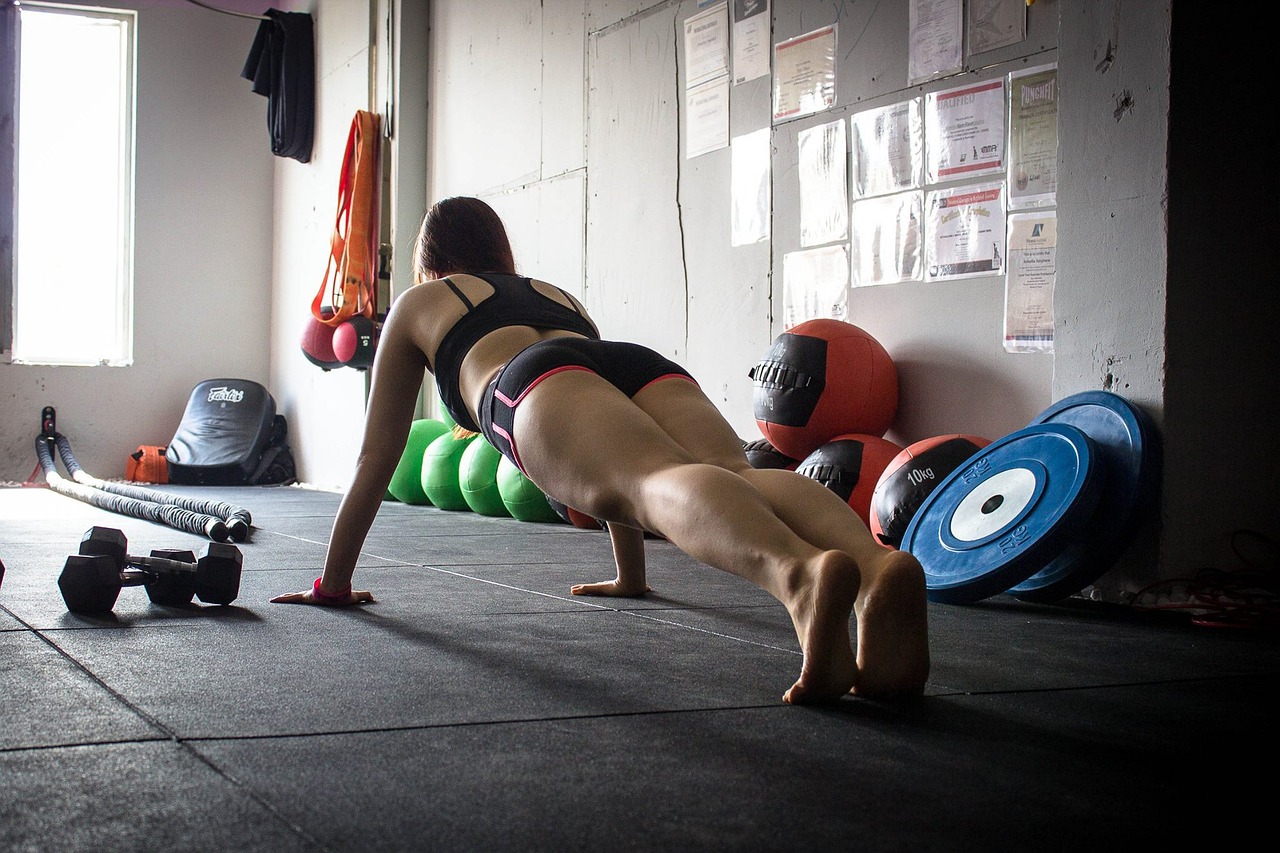
1. Plank Variations
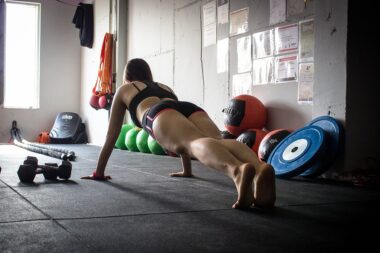
The plank is a foundational exercise for any athlete, but its variations bring diverse benefits. Standard planks strengthen the entire core, while side planks target the oblique muscles. You can progress by incorporating movements, such as leg raises or arm reaches, to engage stabilizer muscles. Hold each variation for as long as you can, aiming for 30 seconds to 1 minute. Incorporating dynamic movements keeps the workout engaging and effective. To perform a standard plank, lie face down, resting on your forearms and toes, keeping your body straight from head to heels. Side planks require rolling to one side, stacking your feet and supporting your body on one forearm. Switch sides after each hold. Remember to maintain proper form, engaging your core muscles throughout each movement. Adjust the duration based on your personal fitness level. Regularly practicing plank variations can lead to significant improvements in your overall strength, balance, and coordination. These exercises help with swimming efficiency, speed on the bike, and stability while running. Gradually increase the challenge by adding weight or extending the time under tension for optimal results.
2. Russian Twists
Russian twists are fantastic for developing rotational core strength, essential for triathletes to maintain form in all disciplines. This exercise focuses on your obliques, enhancing your ability to stay stable during movements that require twisting or turning. To perform them, sit on the floor with your knees bent, lean back slightly, and lift your feet off the ground. Hold a weight or medicine ball in front of you and twist your torso to touch the ground beside you, alternating sides. Aim for three sets of 12-15 reps on each side as your core strength improves. Ensure to engage your core throughout the movement to prevent strain on your lower back. As you become more comfortable, you can increase resistance by using heavier weights or performing the exercise with your feet elevated. Understanding the mechanics of this exercise will allow you to enhance your performance significantly. Incorporate these twists into your routine at least twice a week for optimal core strength gains, specifically tailored for your triathlon needs. This exercise benefits stability while swimming, transitioning, and maintaining speed during runs and bike rides.
3. Bicycle Crunches
Bicycle crunches are an effective, high-intensity core exercise that strengthens both the rectus abdominis and the obliques. This dynamic movement not only targets multiple muscle groups, it also elevates your heart rate for a cardiovascular challenge. To perform bicycle crunches, lie on your back with your hands behind your head and legs raised at a 90-degree angle. Alternately extend one leg while bringing the opposite elbow to touch the knee of the bent leg. Aim for controlled, deliberate movements to maximize engagement of your core muscles. Maintain a rhythm of 12-15 reps per side for three sets, adjusting as necessary based on your fitness level. Ensure that your lower back remains pressed into the ground throughout the movement to minimize strain. Thoroughly warming up beforehand is crucial to prepare your body for this dynamic exercise. Adding variations, such as pauses or slow repetitions, can intensify the challenge. Committing to bicycle crunches in your workout routine guarantees improved overall core strength and enhanced endurance, which translates to better performance in swim, cycle, and run segments.
4. Dead Bug Exercise
The dead bug exercise is highly efficient for developing stability while improving coordination. This foundational exercise engages the core effectively, helping triathletes maintain a strong position during their races. To perform the dead bug, lie on your back with your arms pointing towards the ceiling and your legs raised at a 90-degree angle. Gradually lower one arm and the opposite leg together towards the floor, ensuring only your back presses into the ground. Return to the starting position and switch sides. Aim for three sets of 10-15 reps on each side. Engage your core throughout the motion to maintain control and prevent lower back strain. This exercise can be adjusted for difficulty by adding resistance with weights or slowing down the movements to emphasize form. Performing dead bugs regularly can significantly bolster your core strength and overall stability. Having strong stabilizing muscles allows you to maintain form in all three triathlon disciplines, aiding in injury prevention. Make room for dead bugs in your weekly routine, and you’ll be amazed by the advantage you gain in competitive situations.
5. Mountain Climbers
Mountain climbers are a powerful exercise to incorporate into your core training, providing both strength and cardio benefits. This dynamic exercise targets not only the core but also the legs and arms, demanding endurance and stability. To perform mountain climbers, start in a high plank position with your hands underneath your shoulders. Quickly alternate bringing your knees towards your chest while maintaining a strong plank position. Aim to speed up as you become more comfortable, turning it into an interval workout. Start with 30 seconds of activity followed by 30 seconds of rest, repeating for three rounds. Focus on maintaining good form to effectively engage your core while avoiding any strain on the lower back. Be sure to breathe steadily to maximize oxygen intake during the exercise. Over time, increase the duration or the intensity to keep challenging your core and cardiovascular systems. Regularly including mountain climbers in your training provides a full-body workout that enhances strength and stability, essential attributes for succeeding in triathlons. This exercise boosts your speed and confidence during race day, making it a must-have in your routine.
6. Medicine Ball Slams
Medicine ball slams are a powerful core workout that combines strength and explosive movement, making them an excellent addition to any triathlete’s training regimen. This exercise focuses on developing power from the core, which aids performance across all disciplines. To perform slams, stand with your feet shoulder-width apart and hold a medicine ball above your head. Forcefully slam the ball down to the ground while bending your knees and engaging your core. Retrieve the ball and repeat this for a specified number of reps, ideally aiming for three sets of 10-15 reps. Engage your core throughout every movement to ensure you maintain proper stability and prevent injury. As you become more accustomed to the motion, consider increasing the weight of the medicine ball to enhance the challenge. Incorporating medicine ball slams into your weekly workouts will yield significant improvements in power and core strength. This translates directly into performance gains, particularly in the explosive aspects of swimming turns or the strong push needed in cycling and running intervals. Emphasize control and power to maximize your workout gains.
7. Kettlebell Swings
Kettlebell swings serve as an impressive exercise to engage the core while enhancing power and endurance. This full-body movement not only works your core but also targets the glutes, hamstrings, and back. Begin with your feet shoulder-width apart and hold a kettlebell with both hands. Hinge at your hips, lowering the kettlebell between your legs while keeping your back straight. Then thrust your hips forward and swing the kettlebell to shoulder height. Focus on generating power from the hips while keeping your core engaged throughout the movement. Initially, start with three sets of 15-20 reps, adjusting based on your fitness level. Proper form is crucial to maximize benefits—ensure the kettlebell swings only through momentum generated from your legs and hips rather than your arms. This dynamic exercise helps improve conditioning and explosiveness for triathletes, significantly impacting performance. Incorporating kettlebell swings into your training routine results in improved strength, greater endurance, and enhanced power for swimming, cycling, and running. To elevate your fitness further, consider integrating kettlebell swings into your workout sessions at least once or twice a week.