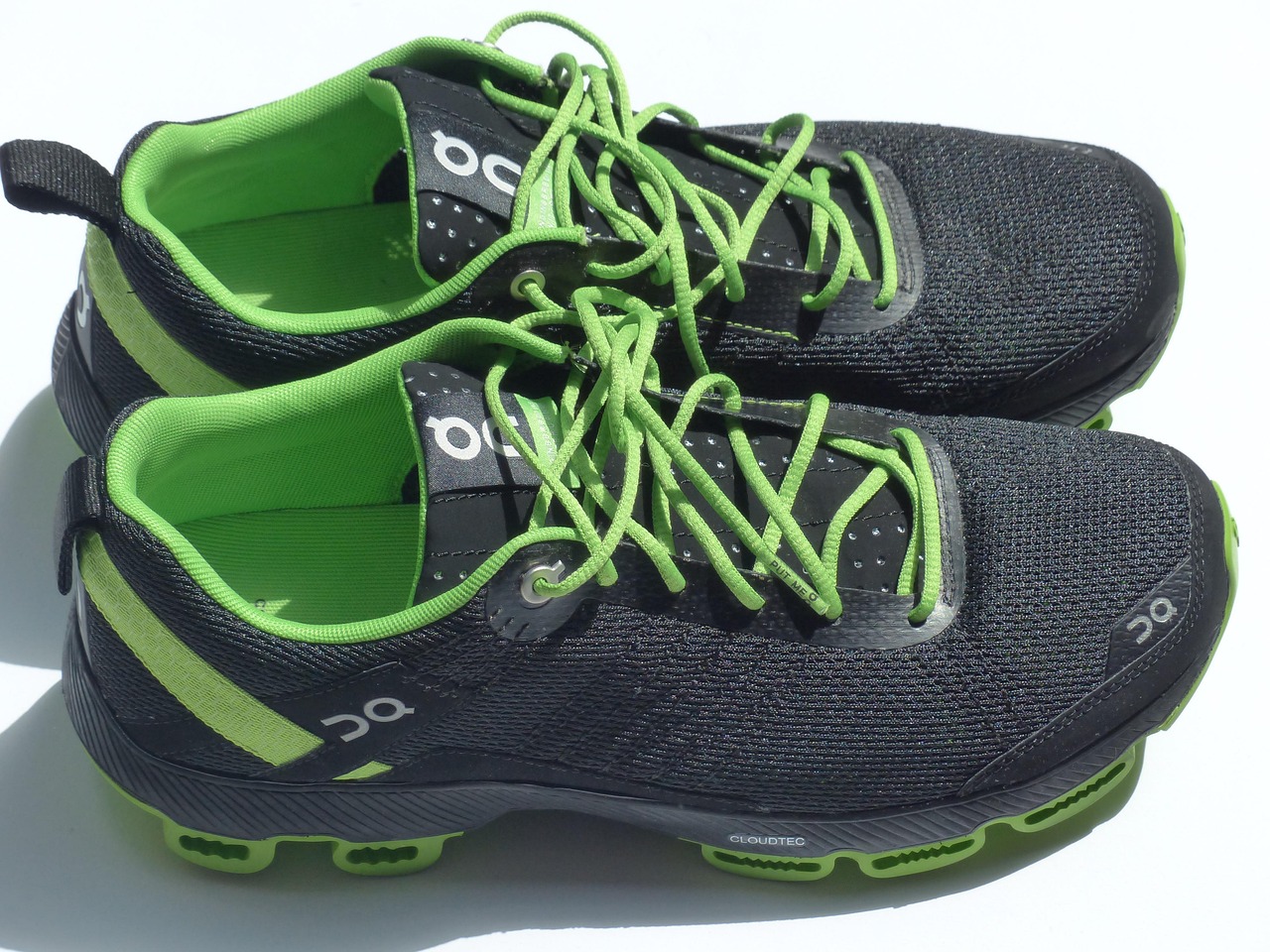

The Environmental Impact of Marathon Running Shoes and Sustainable Options
Marathon running shoes have become a crucial topic not just for athletes but also for environmentalists. The production and disposal of these shoes significantly impact our planet. Typically, running shoes are made from synthetic materials such as EVA (ethylene vinyl acetate) and rubber, which are non-biodegradable plastics. Notably, the carbon footprint generated during their production is alarming. Each pair of shoes can produce hundreds of kilograms of CO2, contributing to climate change. Moreover, the average life span of a running shoe is very limited, with most athletes replacing them often — roughly every 300 to 500 miles. This results in a substantial amount of waste flowing into landfills. Consequently, there is a growing concern about the ecological implications of manufacturing and disposing of high-performance footwear. It is essential for runners to consider these factors when making their choice of shoes. As consumers demand eco-friendliness, many brands have started investing in sustainable alternatives. This trend not only helps reduce waste but also encourages a more environmentally conscious lifestyle for runners everywhere.
Sustainable Materials for Running Shoes
In response to recent environmental concerns, the athletic footwear industry has begun to explore sustainable materials for running shoes. Natural fibers such as hemp, organic cotton, and recycled polyester are gaining popularity as viable alternatives. These materials reduce reliance on non-renewable resources and lower the overall carbon footprint associated with shoe production. Additionally, shoe companies are now utilizing post-consumer waste like recycled rubber and plastic. This approach not only minimizes waste but also creates a circular economy where used materials are transformed into new products. Furthermore, some innovative brands are developing shoes using biodegradable compounds that break down over time. This helps alleviate the pressing issue of landfill waste, addressing a critical environmental threat. With advancements in technology, we may soon see mainstream adoption of these sustainable innovations. Wearing eco-friendly shoes can significantly contribute to a runner’s overall commitment to sustainability. It’s an easy choice for those wanting to merge their passion for running with an active role in protecting the planet. However, awareness and research are essential in making informed decisions regarding footwear for marathon training.
The environmental footprint of any product includes its entire life cycle, from material sourcing through manufacturing, usage, and disposal. Marathon running shoes are no exception, and understanding the environmental consequences necessitates addressing each stage of their lifecycle. For instance, many processes in shoe production involve water consumption, energy usage, and harmful emissions. By improving manufacturing techniques, brands can significantly enhance their sustainability profile. Some companies are now implementing eco-friendly practices, such as sourcing materials locally to reduce transportation emissions and using renewable energy sources in their factories. These strategies help decrease their overall environmental impact while simultaneously promoting sustainable labor practices. Moreover, sensitive transportation methods can shorten supply chains and reduce carbon emissions even further. Another crucial aspect is the disposal of worn-out shoes, which often end up in landfills where they can take decades to decompose. Initiatives like shoe recycling programs encourage consumers to return their used footwear for repurposing. Both consumers and companies are responsible for minimizing environmental harm, and following sustainable practices is a collective effort towards a greener future.
Innovations in Running Shoe Recycling
Recycling programs have emerged as an innovative solution to the mounting environmental challenges posed by discarded running shoes. A number of major brands are taking proactive steps towards creating systems that allow consumers to return old shoes for recycling. By doing so, consumers may receive incentives such as discounts on future purchases, promoting a circular economic model. When these shoes are returned, they are often reprocessed into raw materials suitable for new products, like workout equipment or playground surfaces. This reduces the demand for new materials and gives a second life to otherwise wasteful items. Additionally, some companies are partnering with organizations focused on redistributing used shoes to those in need. This way, running shoes can benefit not only the environment but also communities requiring footwear. As runners evolve into more environmentally conscious consumers, embracing recycling initiatives has become increasingly crucial. It contributes directly to minimizing landfill waste. Such programs are instrumental in raising awareness about sustainable practices among athletes, ensuring a brighter future for the sport of marathon running and the environment.
As awareness of the environmental impact of running shoes increases, many consumers are becoming more selective in their purchases. They are actively searching for brands that embody sustainability and responsibility, prioritizing eco-conscious choices. Some brands are now marketing their shoes as environmentally friendly, providing transparency about sourcing, manufacturing processes, and materials used. Consumers can influence the industry by demanding this type of transparency, holding brands accountable for their practices. Furthermore, understanding the true costs associated with producing running shoes encourages athletes to invest judiciously. By opting for sustainable options, consumers contribute to a paradigm shift in the running industry. This shift puts pressure on conventional manufacturing practices to evolve. Awareness of alternatives like minimalist shoes or brands offering shoeless running experiences is gaining traction, redefining athletic footwear. Researching how each brand addresses environmental issues before purchase can significantly impact the future landscape of marathon gear. As the running community embraces responsible consumerism, the combined power of motivated consumers and innovative companies will drive positive change. Runners can play a pivotal role in this transformation by making thoughtful choices that align with their values.
Educating Future Runners
Educating new generations of runners about the importance of sustainable practices is key to creating lasting change in the running community. By raising awareness on environmental impacts and responsible consumption, young athletes can develop a deeper appreciation for their choices. Schools, clubs, and organizations should incorporate sustainability discussions into training or physical education programs. Young runners can benefit from learning about eco-friendly brands and recycling opportunities, ensuring the knowledge is passed down effectively. Initiating programs that encourage students to bring their old shoes for recycling or to participate in community clean-ups can strengthen commitment to the environment. Integrating social responsibility as a core value of training focuses on building stronger communities and advocates for preserving nature. Mentorship and guidance from seasoned runners encourage young athletes to regard running as a lifestyle that respects nature. Social platforms can share impactful stories that inspire collective action from runners of all ages. As a result, fostering awareness builds a culture where sustainable practices become second nature. This enables future generations to embrace responsible running, where each step contributes positively towards environmental conservation. The goal is for marathons to embody not only athletic excellence but also environmental consciousness.
In conclusion, marathon running shoes have a profound environmental impact at each stage of their lifecycle. As runners and industry leaders acknowledge this reality, the need for sustainable alternatives becomes even more pressing. Innovations such as sustainable materials, recycling programs, and responsible manufacturing processes pave the way for a greener future in athletics. Runners must actively engage with brands prioritizing eco-friendliness while educating others about their choices and the benefits of sustainable practices. As the running culture shifts toward a more responsible mindset, new generations will have the opportunity to forge lasting pathways for change while continuing to enjoy their passion. The participants in this growing movement have the power to influence industry practices, holding brands accountable for their choices. Promoting sustainable solutions ensures marathon running not only champions fitness but also prioritizes environmental well-being, ensuring a legacy of health and responsibility. Together, athletes can run toward a brighter future where every step taken contributes positively to the planet. Awareness leads to action, and as runners unite in their commitment, significant strides can be made toward sustainable practices, reshaping the landscape of marathon training for years to come.