
The Basics of Judo: A Beginner’s Guide
Judo is a highly disciplined martial art that originated in Japan. It combines techniques of throwing, grappling, and ground fighting in a sport that emphasizes skill and strategy over brute strength. The core philosophy of judo revolves around the idea that maximum efficiency can be achieved by using the body’s momentum against an opponent. As a beginner, understanding the fundamental aspects of judo will enhance both your practice and enjoyment. First, it’s vital to familiarize oneself with key positions and movements. Practitioners often learn basic falls, throws, and groundwork techniques, which form the basis of judo. Secondly, judo etiquette and respect for one’s training partners are crucial components of the experience. Each practice session typically begins with a bow to fellow students and instructors. As you progress, you’ll encounter various belts signifying your skill level, beginning from white, progressing to black. Furthermore, competitions allow judokas to test their skills against others, fostering an environment of improvement. Lastly, commit to regular practice, as it’s essential for building confidence and proficiency. Embrace the journey of learning judo with discipline and dedication.
The Essential Techniques
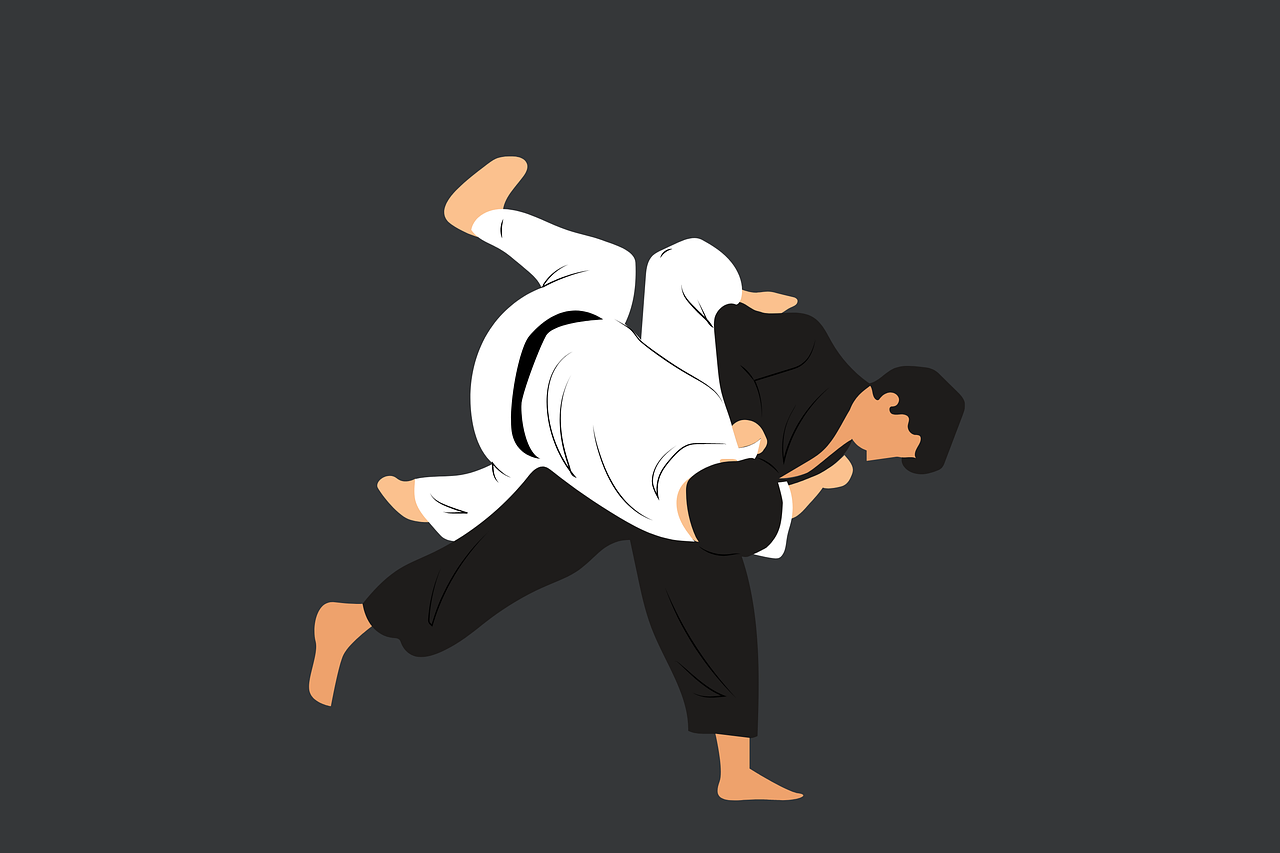
Understanding judo techniques is fundamental for effective participation in this martial art. Judo techniques can be broadly classified into two categories: nage-waza, which consists of throwing techniques, and ne-waza, the ground fighting techniques. Beginners should prioritize mastering a few essential throws before progressing to more complex maneuvers. For example, the ippon seoi nage is a popular throwing technique applicable for beginners and emphasizes proper foot placement and balance. Another fundamental throw is the osoto gari, which allows the judoka to sweep their opponent’s leg while leveraging body weight. On the ground, learning techniques like kesa-gatame, a pinning technique, is vital for maintaining control over your opponent. Practicing these moves with a partner helps enhance timing and precision. Additionally, it’s critical to practice breakfall techniques, or ukemi, to ensure safety when executing throws. Regular sparring sessions also provide an opportunity to integrate these techniques in a dynamic setting. Remember that consistency and patience are key; progress comes gradually as you refine your technical proficiency and body mechanics in judo.
In addition to physical skills, mental discipline plays a significant role in mastering judo. Judo is not solely about techniques but also involves developing mental fortitude and strategic thinking. Engaging in judo encourages the development of focus, patience, and resilience. As a judoka, you will learn to assess your surroundings and anticipate your opponent’s movements, which sharpens your competitive edge. Another essential aspect of the sport is understanding the principles of leverage and balance. By recognizing how to use your weight and position, you can execute techniques more effectively and efficiently. Furthermore, visualization and mental practice can enhance your performance; by imagining the execution of techniques, you prepare your mind for action on the mat. Many successful judokas credit their victory not just to physical skills but to mental toughness. Rest and recovery are equally important for maintaining your mental clarity and physical readiness. Proper nutrition, hydration, and adequate sleep contribute significantly to your overall performance as you progress through your judo journey.
Safety and Etiquette in Judo
Practicing judo entails certain expectations regarding safety and etiquette, crucial for a productive training environment. The first and foremost rule is to respect your training partners, as they play a crucial role in your development. Throughout each session, maintain a safe training environment by being aware of your surroundings and treating your partner with care. Use appropriate techniques, and don’t apply excessive force, especially when sparring. Make sure to communicate effectively with your partner, indicating when you might be uncomfortable with a certain move or need a pause. Secondly, observe the dojo etiquette consistently. Bowing at the beginning and end of training sessions is a sign of respect and acknowledgement of the tradition. It can foster a positive atmosphere while reinforcing the commitment to the practice. Always listen to your instructor’s guidance and adhere to their instructions regarding training methods. This will not only enhance your safety but also contribute to a quicker learning curve. Emphasizing these aspects is essential to cultivating a successful and rewarding judo experience for all participants.
Building physical conditioning plays an essential role in enhancing your judo performance. As judo requires both strength and agility, dedicating time to overall fitness will yield significant improvements in your practice. Incorporating strength training, aerobic activities, and flexibility workouts into your routine will better prepare your body for the demands of judo. For instance, exercises focusing on your core strength, such as planks and medicine ball workouts, will aid in developing balance and stability. Moreover, agility training, including ladder drills and plyometric exercises, can enhance your speed and responsiveness on the mat. Regular stretching sessions not only improve flexibility but also help prevent injuries. Furthermore, focusing on cardiovascular endurance through running, swimming, or cycling can keep your stamina high during longer training sessions or competitions. Remember that proper nutrition is fundamental to support your physical conditioning. Balanced meals rich in carbohydrates, proteins, and healthy fats will fuel your body for optimal performance, enhancing recovery after strenuous sessions. In essence, a holistic approach to fitness will complement your judo training and ultimately lead to better technique and results.
Finding the Right Judo School
Choosing the right judo school is crucial for your development and enjoyment of this martial art. Researching various local judo schools will help you identify those that align with your goals, whether they are recreational or competitive. Start by visiting the schools to observe classes, which provides insight into the teaching styles of instructors and the overall atmosphere. Ensure your chosen school emphasizes proper technique, safety, and mutual respect among students. It’s advisable to inquire about class sizes as larger classes may require more individualized attention. Additionally, look for a dojo that offers structured programs tailored to different skill levels, including separate beginner classes. Engaging in conversation with experienced judokas at the dojo can provide valuable feedback on the school’s training quality and community vibe. Also, consider the qualifications and experience of the instructors. Those with extensive backgrounds in judo and competition can effectively guide you through your journey. Lastly, feel free to try a trial class whenever available, allowing you to get a firsthand experience before committing. Finding your perfect fit will establish a fulfilling judo experience.
Embracing the journey of learning judo opens doors to a world of physical activity, camaraderie, and personal growth. As you progress, you will not only gain practical skills but also develop a deeper appreciation for the art of judo itself. Along the way, celebrate your milestones, no matter how small, as every achievement signifies your improvement. Connecting with fellow judokas enhances the experience as sharing knowledge, skills, and experiences strengthens bonds. Participating in local tournaments fosters a sense of community and provides opportunities to showcase your skills. While competition can be motivating, remember that judo’s ultimate goal is self-improvement and learning. Watching experienced competitors can build a vision of what you strive to accomplish. Inspired by their success, remain dedicated and focused on your personal goals. Each step taken on the journey contributes to your overall character development. As you continue practicing judo, carry with you the principles of respect, discipline, and sportsmanship, shaping not just your martial arts abilities, but also your life outside the dojo. Cherish this enriching experience and embrace the transformations that accompany it.
Adopting the principles of judo enriches your life on and off the mat. The values of humility, perseverance, and respect you cultivate in practice extend to everyday interactions. As you face challenges in training, including difficult opponents or complex techniques, overcoming these adversities builds mental resilience. Just as judo teaches physical skills, it equips you with essential life skills that can be applied in various contexts. The mindset developed through consistent training helps you deal with obstacles confidently and effectively. Additionally, the friendships forged within the dojo create lasting connections that foster a sense of belonging. Sharing moments of triumph, defeat, and mutual growth strengthens these bonds, enriching your experience. Integrating judo principles into your lifestyle promotes fitness, discipline, and self-confidence—traits beneficial in both personal and professional scenarios. As you strive for improvement, remember that each step on this journey is a building block toward becoming the best version of yourself. Always remember to enjoy the process, value your progress, and celebrate successes—both big and small—while maintaining humility. Judo is not just a sport; it’s a lifelong journey of self-discovery and continuous development in multiple facets of life.