
Strength Training Equipment that Accommodates Pregnancy Changes
Strength training during pregnancy is essential for maintaining a fit and healthy body, as it accommodates various bodily changes. Expecting mothers can greatly benefit from specialized equipment designed for strength training, which ensures safety and comfort. Some key equipment types include resistance bands, dumbbells, and kettlebells, among others. Resistance bands are particularly useful as they offer adjustable resistance levels, making them suitable for various stages of pregnancy. Additionally, they can be easily incorporated into a home workout routine. Dumbbells are versatile and allow for a range of exercises benefiting strength development. When selecting dumbbells, lighter weights are recommended to avoid undue strain. Kettlebells can also provide a solid workout, enhancing core strength and stability. However, it is crucial to learn proper techniques before engaging with these weights. Stability balls and yoga mats contribute to improving balance and supporting effective movements. Pregnant women should prioritize their comfort and stability. They should consult their healthcare provider before starting any routine. Adapting exercises and using the appropriate equipment encourages a safe and beneficial strength training experience during pregnancy.
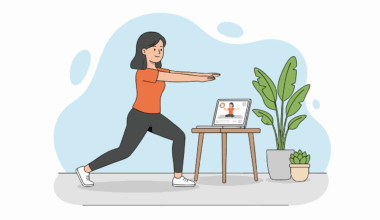
Warm-up routines play a vital role in preparing the body for strength training, especially for pregnant women. Prior to commencing exercises with equipment, a proper warm-up helps enhance flexibility and blood circulation, which is critical during pregnancy. Gentle stretching and low-impact activities are recommended, such as walking or light aerobic movements. Focusing on breathing and gradual movements can help avoid injury. The use of light weights during strength training is advised to prevent undue stress on the body. Additionally, working out in a safe and stable environment is essential. Placing mats on the ground and ensuring proper shoes are worn can facilitate a safer workout. Hydration is crucial during workouts, as dehydration may pose risks for both mother and baby. Incorporating exercises that strengthen the pelvis and core can help alleviate discomfort associated with pregnancy. Exercises like squats and lunges can be performed with lighter weights or resistance bands, aiding in overall strength. Encouraging proper form is critical to maximize benefits and minimize risks. Pregnant women should listen to their bodies, adjusting their workouts based on personal comfort levels and energy.
Benefits of Strength Training for Expecting Mothers
Engaging in strength training during pregnancy presents numerous physical benefits that can support overall health. Enhanced muscle strength provides expecting mothers with improved endurance, aiding them in navigating daily tasks more comfortably. This strength can also alleviate common pregnancy-related discomforts, including back pain. Furthermore, strength training may lead to better posture, supporting a growing belly and counteracting the tendency to slump. Enhanced strength and stability also play a crucial role during labor and delivery, possibly influencing recovery times. Weight management is another considerable advantage, as maintaining a healthy weight during pregnancy contributes positively to both maternal and fetal health. Studies indicate that well-structured strength training can enhance mood, reducing feelings of anxiety and stress. By incorporating these workouts, women may find significant improvements in their energy levels. Moreover, these exercises can foster a deeper connection between mothers and their babies, as they prioritize health and fitness. A consistent regimen can also transition smoothly into post-partum fitness, offering a foundation to recover and regain strength after childbirth. Thus, strength training is a beneficial practice during pregnancy, supporting physical and emotional well-being.
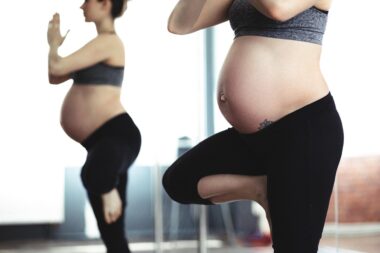
While strength training is beneficial during pregnancy, it is essential to follow certain guidelines to ensure safety. Consulting with healthcare professionals is crucial to address any potential complications or concerns systematically. Pregnant women should be attentive to their bodies, understanding when to modify or halt a workout session entirely. Awareness of danger signs, such as severe headaches, dizziness, or unusual swelling, cannot be understated. Proper hydration before, during, and after workouts supports overall wellness and energy levels. Regularly incorporating recovery days into training schedules ensures sufficient rest and reduces the risk of overexertion. Utilizing mirrors during workouts can help women maintain proper posture and form, preventing injury while utilizing equipment. Consideration should be given to timing workouts around fatigue levels, aiming for moments of peak energy. Equally, avoiding high-impact exercises helps mitigate the risk of falling. The focus should be on muscle-toning and low-impact movements. Ultimately, listening to one’s body is paramount in making decisions about exercises and equipment. Maintaining a positive mindset and seeking support from fitness professionals or group classes can further enhance the experience of strength training during pregnancy.
Recommended Equipment for Safe Strength Training
Utilizing the right strength training equipment tailored for pregnancy can make a significant difference in comfort and performance. Resistance bands are a favored choice due to their adaptability and variety of exercises. They come in different resistance levels, allowing gradual increases or decreases in intensity as needed. This versatility is critical as strength changes throughout pregnancy. Stability balls also serve a dual purpose; they improve balance while providing core strengthening. These balls can help alleviate back pressure during seated exercises. Adjustable dumbbells are another excellent option, providing flexibility in weight selection while performing various exercises. Pregnant women can start with lighter weights and increase as they feel comfortable. Foam rollers can aid in muscle recovery and reduce soreness after workouts. They promote relaxation and help manage tight muscle areas. Yoga mats provide stability during floor exercises, enhancing comfort during stretching and strength building. However, investing in high-quality equipment that ensures safety is essential. Consider options that have a good grip and are made from non-toxic materials for additional peace of mind. Customized equipment that caters specifically to pregnant women supports a safer and more effective strength training approach.
Creating a personalized strength training schedule for pregnancy is crucial to maximizing fitness and comfort. Setting realistic goals and incorporating a variety of exercises tailored towards individual needs can enhance motivation. Selecting workouts that prioritize core and pelvic floor strengthening can generate significant benefits throughout pregnancy. Scheduling workouts several times per week ensures a consistent routine, allowing for varied intensity levels. Integrating low-impact cardiovascular activities, such as walking or swimming, complements strength training and promotes optimal health. Keeping a journal can track progress and personal milestones, fostering motivation and accountability. Regularly reassessing comfort levels and adjusting workouts accordingly is critical. Moreover, finding social support, such as workout groups for expectant mothers, can boost engagement and encouragement. Listening to your body is paramount; if fatigue sets in, opting for gentler exercises may be necessary. Consider varying workout environments, allowing your routine to remain fresh and exciting. Activities that engage the mind and body simultaneously can improve overall satisfaction and mental well-being. Combining strength training with mindfulness practices, such as yoga or meditation, nurtures both physical and emotional health during pregnancy.
Post-Pregnancy Strength Training Considerations
After giving birth, women might consider gradually returning to strength training to regain fitness and wellness. However, it is essential to approach post-pregnancy workouts with caution. The body undergoes significant physiological changes during pregnancy and childbirth, necessitating a thoughtful recovery plan. Prioritizing core stability and pelvic floor strength is especially vital, as these areas can be notably impacted. Beginning with gentle movements and low-impact exercises can ease the transition back into a regular fitness routine. It’s crucial to pay attention to your body and adjust workouts based on comfort levels. Consulting healthcare professionals post-delivery allows mothers to acquire tailored advice suited to their unique situations. Adopting a flexible routine that allows the inclusion of baby and parenting responsibilities will encourage sustainability. Family walks or light lifting while holding the baby can be beneficial. Gradually reintroducing strength training equipment can occur as confidence and stability return. Techniques learned during pregnancy can also be applied effectively during post-natal workouts. Collective support through fitness groups can be immensely helpful to share experiences, facilitating a smooth adjustment phase. Emphasizing patience and self-care during this period ensures a successful return to strength training.
Conclusion is an integral part of strength training for pregnant women, emphasizing the importance of recognizing individual capabilities. This journey encompasses understanding the body and making informed decisions about exercise intensity and type. Women are encouraged to recognize when to seek professional guidance and to consult with personal trainers well-versed in pre- and post-natal fitness. Also, embracing the evolving nature of workouts is essential, as needs will change throughout pregnancy. Acknowledging the incredible strength of the body, and celebrating progress, big or small, contributes positively to the overall experience. Equipment selection tailored towards pregnancy enhances safety and promotes a successful training regimen. Providing flexibility in routine is vital, allowing adjustments to fit varying energy and comfort levels. Post-partum considerations reflect the ongoing journey of fitness; it is crucial for mothers to give themselves time before resuming intensity. Making fitness a positive and empowering experience can lead to lasting benefits, both physically and emotionally. Ultimately, strength training empowers women during pregnancy, allowing them to nurture their health while embracing change. This positive mindset can transform the physical journey into a rewarding experience.