
Seasonal Swimming Challenges to Keep Your Routine Exciting
Swimming is not just a summer activity but a year-round fitness routine that can be adapted for various seasons. Embracing seasonal swimming challenges invigorates your workout regimen. Start by setting a goal for distance each week, gradually increasing it. Create a swimming schedule that includes different strokes, which helps build muscle diversity and endurance. For endurance, consider distance swimming for an hour, and mix it up with sprints. Engaging family or friends reinforces motivation and makes swimming fun. Challenge each other in weekly events, like timed laps or distance goals. Utilizing pool games enhances cardiovascular fitness while ensuring the workout remains enjoyable. Focus on breathing techniques and ensuring proper stroke form during each swim. Document your progress in a journal to keep track of improvements, creating a sense of achievement. Look for local swim competitions or events to boost your enthusiasm and to benchmark against others. Stay engaged by changing up your environment, whether using a local lake, ocean, or heated pool. Consider seasonal swimming gear that provides comfort and safety during colder months. Enjoying winter swimming increases resilience and maintains fitness levels throughout the year.
Incorporating Cross-Training into Swimming
One effective method for maintaining interest in swimming workouts is integrating cross-training exercises. Cross-training boosts overall fitness and allows for muscle group variation, resulting in well-rounded swimming ability. Incorporate strength training into your weekly schedule to enhance shoulder, core, and leg strength vital for powerful strokes. Resistance training through dumbbells or resistance bands also promotes muscle endurance, which is crucial as you increase swimming distances. Activities such as running, cycling, or yoga can keep your body engaged and recover your mind from repetitive swimming routines. They can be adjusted according to the season, allowing for outdoor activities during summer. Participating in group classes, such as aqua aerobics, adds fun and social aspects to your workouts while diversifying your skillset. Focus on flexibility training—this is crucial for improving your range of motion in the water. Enhanced flexibility leads to proper form, ultimately benefiting your speed and efficiency. Time spent on land can also balance out your swimming, preventing overuse injuries. Research local facilities offering these classes or train with a partner for accountability. Get creative with your workouts, maximizing gym and pool training for better results.
Seasonal Goals to Stay Motivated
Set seasonal goals that resonate with your swimming objectives to maintain motivation throughout the year. These could involve learning new strokes, completing a specific number of laps, or participating in swim competitions. In winter, focus on honing your techniques, especially in colder water where efficiency and skill become critical. Use these months to engage in drills, perfecting your endurance and speed. Incorporate a weekly swim plan that highlights varied stroke practice and blending interval workouts. Individuals seeking a challenge can aim for open-water swims during warmer months, which are adaptable to varying weather conditions. For instance, joining a summer swim club can enhance enjoyment and commitment through competitive yet friendly atmospheres. Explore online communities and apps where you can share your swimming achievements and participate in challenges with others. This adds competitive engagement to your swimming routine, leading to boosted performance. Create a vision board featuring your swimming goals and share it with friends or family for continuous motivation. Celebrate your milestones, which reinforces positive experiences and encourages ongoing commitment to your fitness journey.
Swim Technique Improvement Strategies
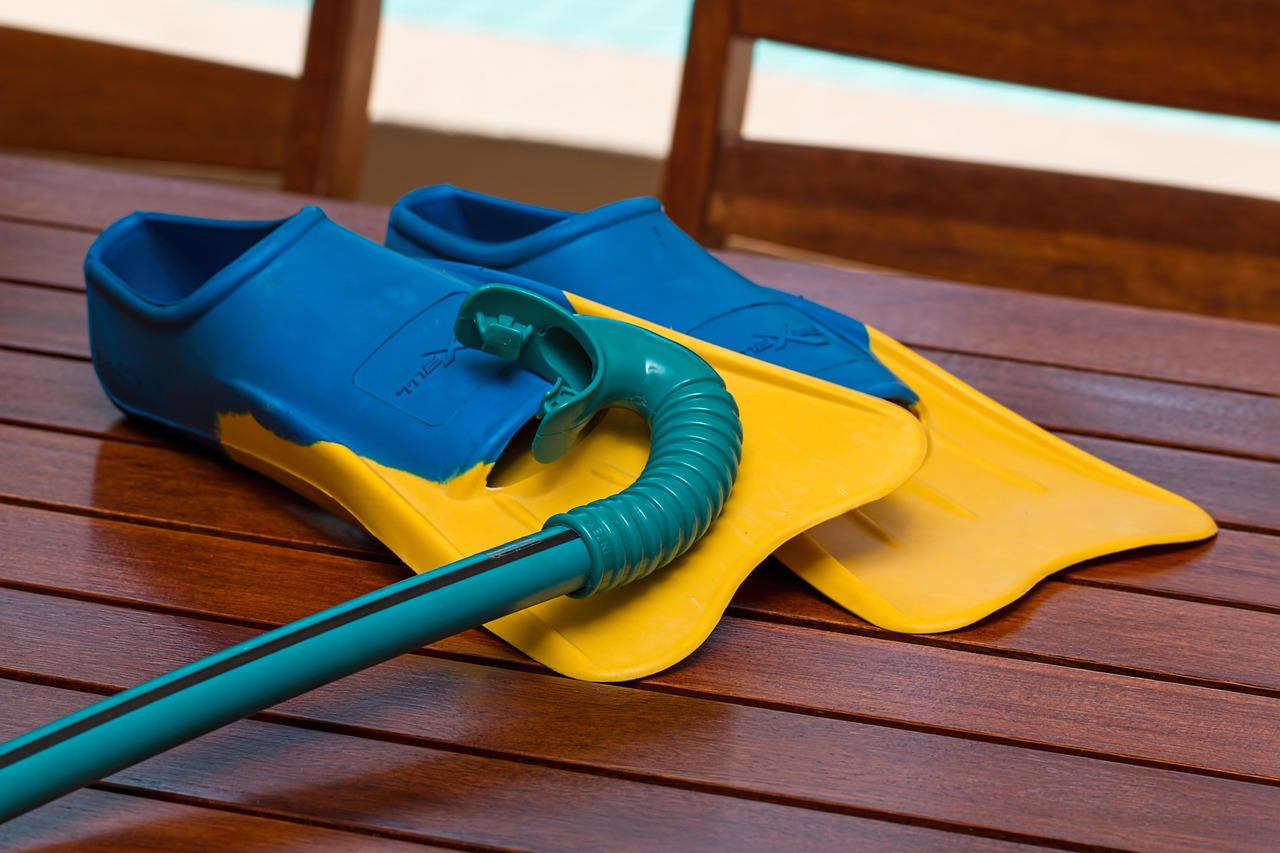
Improving swim technique is essential for optimizing performance and enhancing enjoyment while in the water. Allocate time at least once a week to focus solely on refining your form. Schedule practice sessions with a swimming coach for personalized feedback and actionable improvements suited to your specific techniques. Recording videos during your swims also provides visual feedback, allowing for post-session analysis on stroke efficiency. Prioritize learning how to maximize your breathing techniques as it impacts overall performance, enabling longer sessions without exhaustion. Consider swallowing drills to keep your breaths relaxed and purposeful. Use fins completely to enhance your foot position and build strength, working on maintaining a streamlined body posture while gliding through the water. Frequent utilization of drills such as ‘catch-up drill’ or ‘3-3-3 drill’ helps emphasize precise hand entry and body rotation. You can also use equipment like snorkels or kickboards to isolate and train specific aspects of your swimming, paving the way to break through fitness plateaus. Always stay up to date with swim technique tutorials available online, which provide visual examples and can significantly aid in understanding technique and mechanics better for continuous improvement.
Nutritional Support for Swimmers
Nutrition plays a vital role in maintaining your swimming performance, especially when engaging in seasonal swimming challenges. Consider how your body reacts to various foods based on swimming intensity and duration. In the lead-up to your swim, prioritize wholesome carbs such as quinoa or oats, ensuring sustained energy levels. Post-swim meals are equally important; including protein-rich options like chicken or lentils aids in muscle recovery and growth. Stay well-hydrated throughout different temperatures and seasons, particularly in hotter months when sweating increases. Don’t forget to nourish your body with fruits and greens to maintain essential vitamins and minerals crucial for optimal function. Balance your meals, including healthy fats from sources like avocados or nuts. They play a significant role in hormone regulation and overall health. Experiment with meal timing to determine what works best for you, possibly eating a small snack about an hour before swimming. Stock up on healthy snacks, such as energy bars, fruit smoothies, or yogurt to refuel efficiently post-swim. Planning your meals enhances focus on swimming goals, creating a solid foundation to support your fitness endeavors at the pool.
Fun Racing Games and Trials
Infusing a bit of fun into your swimming workouts can help maintain enthusiasm and motivation. Organizing friendly competitions among friends or family can create a lively environment while pushing personal bests. Consider setting up unique timed swim relays or individual lap races at the pool, where every participant attempts to beat their previous time. Swimming with a partner allows you to engage in various games that add competitiveness to your sessions. You could explore games like ‘shark and minnows’ where skills such as speed and agility come into play, encouraging both fun and fitness activity. Set seasonal challenges based on the weather—for example, outdoor swims when the sun is shining, while embracing alternative activities like synchronized swimming in colder months. Share your results on social media or local community boards to encourage others to join or create their challenges. It fosters a community spirit and motivation, particularly in making swimming enjoyable. Every successful season has something different, ensuring no two experiences remain the same. Seasonal challenges, ultimately, help cultivate both meaning and enjoyment in achieving your swimming goals.
Conclusion: Embrace the Season
The seasonal approach to your swimming routine allows for creativity and varied experiences throughout the year. By regularly challenging yourself with different seasonal workouts, you invite a sense of excitement and adventure while achieving fitness goals. The importance of a well-rounded swimming regimen cannot be overstated—a mix of cardiovascular workouts, endurance building, technique refinement, nutritional vigilance, and fun activities ensures comprehensive fitness. Staying engaged with seasonal changes enhances mental well-being and encourages an ongoing commitment to personal achievements. Find innovative ways to solicit support from friends and peers, ensuring to keep each training session fresh and motivating. Each new season offers opportunities to explore unique swimming environments and experiences, enriching your journey. Look forward to suitable weather for outdoor swims, open water adventures, and community involvement. Take time throughout the year to measure your progression against your swimming goals or even embrace new ones. Progress is a continuous journey, and incorporating these seasonal swimming challenges contributes greatly toward a fulfilling fitness lifestyle. Ultimately, embracing seasonal swimming not only elevates the pleasure derived during workouts but guarantees sustainable long-term health.]
To recap, swimming enhances not just physical health but also mental well-being. Developing a seasonal swimming plan with focused goals, cross-training, technique improvements, nutritional strategies, and community engagement will lead to a brighter fitness horizon. Always remember to keep it enjoyable and dynamic; that’s the key to a lasting fitness journey through the changing seasons.