
Essential Warm-Up and Cool-Down Routines for Bodyweight Training
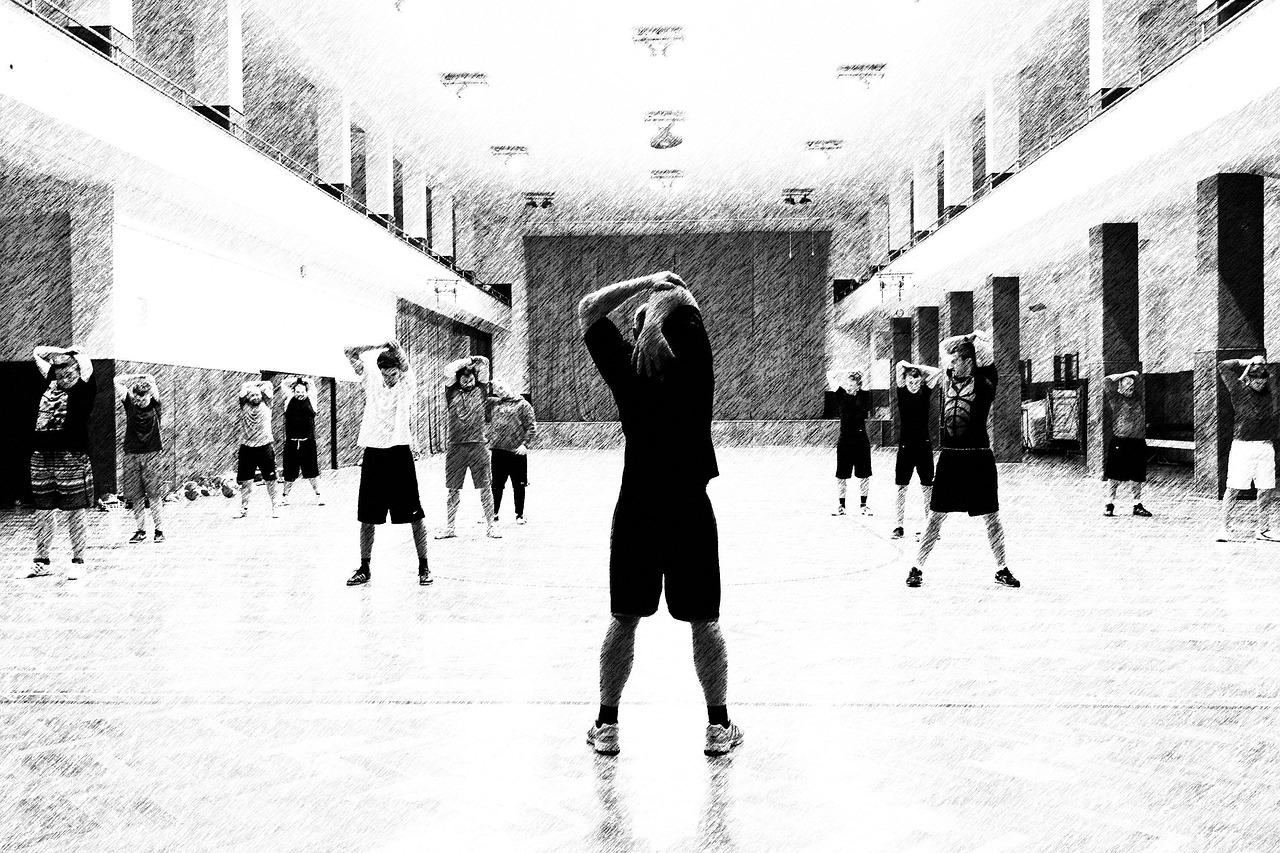
Engaging in bodyweight exercises requires a proper warm-up to prepare your body effectively. A warm-up routine increases blood flow, enhances flexibility, and minimizes the risk of injury. Start with gentle movements such as arm circles and leg swings to mobilize joints. Gradually incorporate dynamic stretches like lunges and high knees. These movements should be done for 5 to 10 minutes, ensuring you raise your heart rate slightly. Always focus on the major muscle groups you’ll use during your workout. Additionally, include some light cardiovascular activity like jogging in place to further elevate your heart rate and energy levels. This initial phase is crucial as it also mentally prepares you for the session ahead. It builds focus and determination, setting a positive tone. Remember, every warm-up is unique and should cater to your specific workout plans. Bodyweight training offers versatility, so you can tailor each routine to meet your needs. By prioritizing the warm-up, you set out on a path to workout success while protecting your body from unnecessary strain.
Cooling down post-workout is just as essential as warming up. After an intense bodyweight exercise session, your body needs to transition back to its resting state. A proper cool-down routine aids recovery and helps prevent stiffness and soreness. Begin with 5 to 10 minutes of low-intensity movements such as walking or light jogging to gradually decrease your heart rate. Following this, incorporate static stretches targeting the major muscle groups used during your workout. Key stretches include hamstring stretches, quadricep stretches, and shoulder stretches to promote flexibility and relaxation. Hold each stretch for about 20 to 30 seconds, inhaling deeply and focusing on the breath. This process allows muscles to relax and reduces post-exercise tension. Regularly cooling down can also enhance your performance in future workouts, as it encourages proper muscle recovery. Taking time for this routine reflects your commitment to overall fitness and well-being. Instead of rushing off after a session, embrace this reflective phase, appreciating the efforts made. In this way, your body and mind can reconnect and rejuvenate.
Importance of Flexibility in Bodyweight Training
Flexibility is a significant attribute that enhances your bodyweight exercise capabilities. Improved flexibility allows for more effective movement patterns and helps prevent injuries during training. As you integrate warm-up and cool-down routines, you should focus on gaining flexibility. Members of all fitness levels can benefit from increased flexibility, as it promotes better posture and alignment throughout your workouts. Regular stretching routines can lead to improved muscle performance and efficiency. Incorporate specific exercises focusing on areas such as hip flexors, shoulders, and lower back. Consider yoga or pilates as complementary practices. These can contribute significantly to enhancing your range of motion and flexibility. Prioritize breathing techniques while stretching to ensure you maximize the effectiveness of every routine. Remember that flexibility is a gradual process, requiring patience and consistency. By dedicating time to this area, you’ll see substantial improvements not just in bodyweight exercises, but in your overall fitness journey. Embrace the process and celebrate small victories, as every bit of progress adds to a stronger and more capable body.
Cardiovascular activities should be part of your warm-up and cool-down routines for comprehensive bodyweight training. These activities boost your heart rate and prepare your cardiovascular system for the demands of exercise. Incorporating bursts of cardio such as jumping jacks, mountain climbers, or burpees during your warm-up promotes endurance. Aim for intervals of movement that gradually increase in intensity. This preps your muscles, getting them ready for action. Meanwhile, during your cool-down, consider gentle aerobic activities like walking. These help your heart rate return to normal gradually, promoting recovery. Incorporating some light stretching while still moving helps ensure that the muscles which have been active also receive some attention in the cool-down phase. You can also breathe deliberately, promoting oxygen flow and aiding in muscle recovery. Include some core-focused movements, like planks or side bends, to engage further muscles. This ensures overall body readiness for the next workout. By integrating cardio elements, you’ll cultivate a holistic approach to your bodyweight training regimen, benefiting both performance and endurance.
Listening to Your Body
Being attuned to your body’s signals is crucial in both warm-up and cool-down phases. Each individual has varying levels of flexibility, strength, and injury history, making personal adjustments necessary. In the warm-up stage, pay attention to how your muscles feel as they warm. If you experience tightness or discomfort, consider easing into stretches more gently. Your body may require extra attention in certain areas; thus, adapt your routines based on what you observe. Understanding your limits promotes safety and encourages a more effective workout. Post-exercise, it’s vital to heed how your body reacts during the cool-down phase. Soreness is common, but sharp pain warrants further evaluation. Ensure that your cool-down stretches feel relieving; if not, adapt them accordingly. Rest and recovery play a predominant role in any fitness program. Utilize this time to reflect on your workout achievements and set goals for the next session. Mindful integration of warm-up and cool-down routines encourages a sustainable approach to bodyweight training. Building the foundation of your fitness journey requires balance, and this phase serves that need.
Hydration should not be overlooked in your warm-up and cool-down routines for bodyweight training. Proper hydration ensures optimum body performance, regulating temperature and lubricating joints during exercise. Before beginning your warm-up, drink water to prepare your body for the upcoming efforts. Ensure that you sip fluids gradually rather than gulping large amounts at once, which can lead to discomfort. Monitor your hydration throughout the training session, as sweating can lead to significant water loss. It is essential to replenish fluids post-exercise to assist muscle recovery and overall well-being. During your cool-down, this is a great time to hydrate further and allow your body to recover. Water aids in the transportation of nutrients, enabling muscles to repair efficiently. Embrace the habit of carrying a water bottle with you to promote fluid intake throughout your workout routine. Consider infusing water with fruits for additional flavor, making hydration enjoyable. Staying hydrated may support better performance, optimized workouts, and overall health. Commit to these hydration practices, as they are often an overlooked yet essential component of a successful bodyweight training regimen.
Consistency is Key
In pursuing bodyweight training success, consistent warm-up and cool-down routines play an integral role. Establishing a routine takes mere minutes but reaps immense benefits over time. Consistency ensures that your muscles and joints are adequately prepared for exercises, significantly reducing the risk of injury. Incorporate these practices into every session, and soon they’ll become second nature. By committing to warm-ups and cool-downs, you are prioritizing your body’s health, allowing for improved performance and longevity in bodyweight training. Feel empowered to experiment with various warm-up techniques and cool-down stretches as you find what works best for you. The more personalized your routine, the more effective it may become. Additionally, tracking your progress can inspire motivation for sticking to your routine. Celebrate the accomplishments achieved through consistency and recognize how your body benefits from these procedures. A sustainable fitness lifestyle incorporates intelligent practices like adequate warm-up and cool-down times, which support your ultimate goals. Remind yourself of the big picture as you engage in your routines, and enjoy the journey toward improved fitness and well-being.