
Role of Nutrition in Helping Diastasis Recti Recovery
Diastasis Recti is a common condition that many postpartum women experience, where the abdominal muscles separate. Proper nutrition can significantly aid in recovery, enabling the healing of connective tissue. Optimal intake of certain nutrients is essential for tissue repair and overall postpartum recovery. Proteins play a crucial role in the healing process and help repair damaged muscles. Good sources of protein include lean meats, fish, eggs, and legumes. Additionally, incorporating healthy fats from sources like avocados and nuts supports hormone production and inflammation reduction. Carbohydrates from whole grains provide sustained energy and are necessary for overall health. Hydration is another essential factor in recovery; drinking plenty of water aids digestion and supports muscle function. Vitamins and minerals, especially calcium and vitamin D, are vital for bone health and muscle contractions. A balanced diet rich in fruits and vegetables contributes to overall well-being. Consider consulting a nutritionist for personalized dietary advice tailored to specific needs during the postpartum recovery phase. Understanding how nutrition impacts recovery from Diastasis Recti is vital for new mothers seeking improved fitness and health.
Beyond macronutrients, micronutrients also play a vital role in healing from Diastasis Recti. Vitamins such as A, C, and E contribute to collagen synthesis and tissue mending. Foods rich in vitamin C like citrus fruits and bell peppers enhance skin elasticity, while dark leafy greens offer a range of vitamins crucial for recovery. Antioxidants found in berries counteract inflammation and oxidative stress, promoting healing. Magnesium is another essential mineral; it facilitates proper muscle function and reduces cramps often experienced postpartum. Furthermore, a diet rich in fiber aids digestion, preventing constipation, which can strain abdominal muscles. Foods such as oatmeal, beans, and vegetables are excellent choices. In addition, consuming probiotics from sources like yogurt can enhance gut health, which is invaluable for nutrient absorption. A healthy gut contributes to overall well-being, ensuring that the nutrients consumed are efficiently utilized. Also, considering the reduction of processed foods and added sugars can help control inflammation levels in the body. Supporting recovery from Diastasis Recti involves a holistic view of nutrition, encompassing both what to eat and what to limit for optimal recovery results.
The Importance of Balanced Meals
Creating balanced meals is essential in the context of postpartum nutrition and Diastasis Recti recovery. Each meal should ideally contain proteins, healthy fats, and carbohydrates in appropriate proportions. A great approach is using the plate method—dividing your plate into sections for each food group. This ensures that you’re not only getting enough calories but also a variety of nutrients necessary for healing. Start with lean protein as the foundation of every meal; this might include grilled chicken or tofu. Incorporate a portion of healthy fats like olive oil or seeds, which are vital for hormone regulation. Next, focus on complex carbohydrates like quinoa or brown rice, which provide energy and fiber for digestion. Finally, don’t forget to add colorful fruits and vegetables, which are packed with vitamins and antioxidants. This colorful aspect not only makes meals visually appealing but also maximizes nutrient intake. Planning meals ahead of time can help maintain this balance, ensuring that nutritious choices become a regular part of the diet. Engaging in meal prep can also save time during busy postpartum days, contributing to both fitness recovery and overall wellness.
In addition to balanced meals, how often meals are consumed matters too. Frequent smaller meals instead of large ones can reduce pressure on the abdominal muscles. This practice also helps maintain stable blood sugar levels, preventing energy crashes. Scheduling snacks rich in nutrition, like yogurt with berries or apple slices with almond butter, can keep hunger at bay. These choices support energy for nursing mothers keeping up with daily tasks. Furthermore, focusing on mindful eating helps new mothers connect with their body’s needs. Taking time to enjoy each meal can improve digestion and nutrient absorption. Mindful eating fosters a supportive relationship with food. While recovery from Diastasis Recti can be challenging, establishing healthy eating patterns can lead to beneficial long-term habits. New mothers can also consider joining community support for postpartum nutrition. Many support groups focus on nutrition education and share beneficial recipes designed specifically for postpartum recovery. Sharing experiences and strategies can create a motivating environment. Each of these measures, combined together, forms a comprehensive approach to support complete recovery from Diastasis Recti.
Supplementation for Enhanced Recovery
Sometimes, even with the best diets, new mothers may find it challenging to get all the necessary nutrients. This is where supplementation can play an important role. Consulting with a healthcare provider before starting any supplements is essential for safety and efficacy. Common supplements that can help include protein powders, especially for those struggling to meet daily protein goals through food alone. Collagen supplements may also benefit the healing of connective tissues. Fish oil, rich in omega-3 fatty acids, can help combat inflammation, thus supporting recovery. Furthermore, considering a multivitamin that includes essential nutrients may ensure that any dietary gaps are filled. Additionally, vitamin D supplementation is often recommended to support calcium absorption. Especially postpartum, this is significant for women, as they may not get enough sun exposure. Remember, supplements should not replace a healthy diet but rather complement it. Therefore, the key is to approach supplementation with a focus on achieving overall nutritional balance. Working closely with a healthcare professional can help guide decisions about necessary supplements while ensuring they align with overall dietary goals.
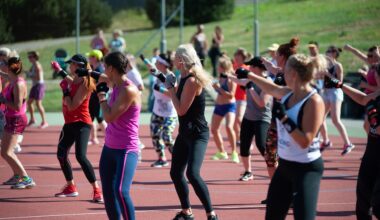
Engaging in safe physical activity is another vital aspect that works hand-in-hand with nutrition during postpartum recovery. Gentle exercises can aid in improving blood circulation, which helps deliver nutrients to healing tissues. Core-strengthening exercises are crucial but should only be initiated after receiving the green light from a healthcare professional. Instead, focusing on low-impact activities like walking can be beneficial earlier on. Women can also consider postpartum fitness classes designed to address conditions like Diastasis Recti specifically. Alongside, maintaining a nutrition-rich diet enhances energy levels, allowing for a more active lifestyle. The combination of balanced nutrition and appropriate exercise significantly improves recovery outcomes. Hydration should again not be overlooked; staying well-hydrated supports joint health and muscle functioning during exercise. By fostering a well-rounded approach to postpartum recovery, women can enhance their physical fitness while aiding the recovery of abdominal muscles. Remember, every step, however small, in a fitness journey counts. Small, consistent efforts lead to lasting improvements over time, contributing positively to one’s fitness level and overall well-being during the postpartum period.
Community Support and Resources
Finally, don’t underestimate the role of community support and available resources in your postpartum journey regarding nutrition and diastasis recti. Building connections with other mothers can provide emotional support and share helpful experiences in managing postpartum recovery. Many online forums and local groups exist, focusing on postpartum fitness and nutrition, which serve as valuable resources. Peer support can motivate mothers to stick with a nutritional plan and share ideas for easy meal prep. Many community centers also offer workshops on nutrition for new mothers, focusing on practical advice and how to implement healthy eating in a busy life. Attending such classes can renew inspiration and encourage commitment to postpartum wellness goals. Additionally, consider seeking out the expertise of dietitians or nutritionists specializing in postpartum strategies. They can offer personalized guidance tailored to individual needs. Nutrition and fitness should not feel isolating; instead, sharing the journey with others can foster motivation and promote accountability. Empowering oneself with knowledge and support is crucial during this transformative phase, ultimately leading to improved health and recovery from diastasis recti.
Overall, the intersection of nutrition and fitness in aiding recovery from Diastasis Recti highlights the importance of treating the postpartum period with care and consideration. Each aspect, from balanced meals, hydration, and supplementation, plays a significant role in the healing process. New mothers are encouraged to be observant of their bodies’ signals, recognizing when to rest and nourish adequately. It’s essential to remember that the journey toward healing is not a race, but rather a gradual process. By investing time in understanding individual nutritional requirements, moms can support their recovery further. Integrating community support continues to be invaluable, nurturing bonds that empower mothers during challenging moments. This collective approach emphasizes that postpartum recovery encompasses both physical and emotional healing. Furthermore, as mothers embrace their journeys, it’s vital to approach their experiences holistically, understanding how every element interacts. Ultimately, focusing on nutrition, fitness, and the importance of a supportive network is foundational. In this way, recovery from Diastasis Recti and overall wellbeing can flourish. Each mother’s journey is unique, and reflecting on this journey can help women find their path toward health and fitness in ways that resonate with them personally.