
Fueling Advanced CrossFit Training: Supplements and Diet Tips
Advanced CrossFit training demands not only exceptional physical effort but also strategic nutrition. To optimize performance and recovery, athletes must understand the pivotal role that supplements and diet play in their regimen. A well-rounded nutrition plan is crucial. It ensures that the body receives the necessary macro and micronutrients to sustain energy levels over longer, more intensive training sessions. Sufficient protein intake is essential for muscle recovery and growth. Hence, incorporating high-quality protein sources such as lean meats, fish, and plant-based options is vital. In contrast, carbohydrates serve as the primary fuel source. They replenish glycogen stores depleted during workouts. Foods like oats, whole grains, and fruits should be included. Moreover, fats are not to be overlooked. Healthy fats provide sustained energy and support hormonal balance. Depending on individual energy needs, the ratio of these macronutrients may vary. Additionally, staying hydrated is often underrated. Water aids in various bodily functions and prevents fatigue, especially during exhaustive training. Supplements can also enhance performance, such as protein powders, creatine, and BCAAs, which can support recovery and muscle growth. Athletes should tailor their nutrition around their specific objectives.
Understanding Supplements and Their Roles
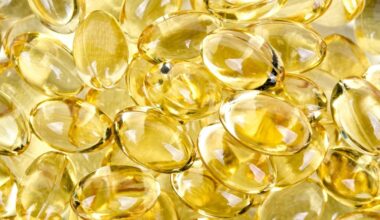
Supplements can significantly contribute to an advanced athlete’s performance. When considering which supplements to incorporate, one should begin with a solid foundation of a healthy diet. Whole food sources should always be prioritized. However, certain supplements can provide additional benefits. For example, protein powders are a convenient way to ensure sufficient protein intake post-workout when whole foods may not be immediately available. Whey protein is popular due to its quick absorption rate. On the other hand, casein protein digests more slowly, making it ideal for nighttime. Creatine is another common supplement that supports high-intensity training by replenishing ATP stores. This helps to maximize strength and endurance levels during workouts. Additionally, branched-chain amino acids (BCAAs) can aid in muscle recovery and minimize soreness. They help decrease muscle breakdown, allowing for more effective workouts. Multivitamins can cover any dietary gaps, providing essential vitamins and minerals necessary for optimal health. It’s crucial to consult a healthcare professional or nutritionist before starting any supplementation regimen. Each athlete’s needs vary based on their specific training, personal goals, and underlying health conditions. Customize the supplement strategy accordingly for best results.
A balanced diet plays a significant role in fueling CrossFit performance, contributing to overall success. Focus on nutrient-dense foods that deliver substantial energy and recovery benefits. Success in advanced CrossFit training hinges on consuming a variety of food groups. Eating ample vegetables ensures essential vitamins and minerals necessary for bodily functions. Fruits also provide antioxidants and natural sugars for energy. Whole grains, including brown rice and quinoa, contribute to carbohydrates that support endurance. They release energy slowly, making them ideal for prolonged training. Healthy fats, such as nuts and avocados, are necessary for energy and hormonal balance. They offer a concentrated source of calories that can help sustain energy levels. Furthermore, timing your meals is crucial. Consuming a pre-workout meal 1-2 hours prior can optimize energy. This meal should contain carbohydrates and protein to fuel performance effectively. Similarly, post-workout nutrition is essential for recovery. Aim for a meal rich in protein and carbs within 30 minutes of concluding a session, enhancing the recovery process, and leading to muscle growth. This meticulous approach to diet helps advanced athletes achieve optimal progress, ensuring that they can meet the challenges of their training head-on.
Hydration: The Key to Maximizing Performance
Maintaining proper hydration is vital for any athlete, particularly for those engaged in high-intensity CrossFit workouts. Dehydration can severely hinder performance, leading to fatigue, decreased strength, and impaired recovery. Water plays an essential role in regulating body temperature, lubricating joints, and transporting nutrients within the body. As you sweat during workouts, you lose both water and electrolytes, which need to be replenished to ensure peak performance. It is beneficial to drink water consistently throughout the day rather than relying solely on thirst as an indicator of hydration status. Pre-workout hydration strategies can involve consuming fluids before starting a session. A good guideline is to drink at least 16-20 ounces of water 2-3 hours prior. During the workout, shorter sessions may require water intake, while longer, intense sessions might benefit from electrolyte-enhanced drinks. Post-workout hydration should also prioritize replenishing lost fluids. Consuming an electrolyte drink can help restore not only hydration levels but also glycogen reserves. Individual fluid requirements may vary based on body weight, workout intensity, and environmental conditions. Monitor hydration needs continuously for consistent results in performance and recovery.
Incorporating variety into your nutrition can enhance the enjoyment and sustainability of your diet. Food choices shouldn’t feel restrictive; rather, aim for a colorful plate filled with diverse foods. Experimenting with new recipes can keep meals exciting and appealing while ensuring nutrient diversity. This approach allows athletes to source a wider range of vitamins and minerals, putting their bodies in the best position to perform. It’s also crucial to engage in mindful eating, understanding hunger signals, and establishing healthy portion sizes. Eating on a consistent schedule can further aid in regulating energy levels, preventing blood sugar fluctuations. Meal prepping can streamline this process, allowing athletes to have readily available nutritious meals that align with their training needs. Additionally, incorporating seasonal foods can enhance the diet’s freshness and flavor. Consider trying new fruits and vegetables each season, which can improve access to different nutrients. Don’t shy away from experimenting with protein sources, whether they are plant-based or animal sources. A thoughtful approach to diet can greatly enhance not only training performance but also general well-being. Balancing enjoyment and nutrition is key to the longevity of any training plan, keeping the athlete motivated during their journey.
Listening to Your Body: Individualizing Nutrition
Each athlete’s nutritional needs are unique, and it’s essential to listen to your body to maximize performance. Pay attention to how different foods affect energy levels and recovery times. Every individual reacts differently to dietary changes, and monitoring responses can provide valuable insight. Investing in a food journal may be a supportive tool, enabling athletes to track their diet, workouts, and feelings throughout the day. This practice can reveal hidden patterns assisting with adjustments to enhance nutrition. Certain athletes may find they thrive on a higher carbohydrate intake, while others may respond better to higher protein or fat ratios. Customizing macronutrient ratios can significantly influence overall energy levels and recovery. Furthermore, consider food intolerances or allergies that may hinder performance. Consulting with a sports dietitian or nutritionist can provide tailored recommendations, aligning dietary choices with specific training goals and personalized health. This practical approach ensures that nutrition strategies contribute meaningfully to athletic performance. Ultimately, staying in tune with your body’s signals will foster not only peak physical performance but also overall empowerment through healthful eating choices.
Lastly, staying updated with the latest nutritional science can benefit your training. Continually educate yourself about nutrition and supplementation trends, as this field is always evolving. Engaging with workshops, reading articles, or listening to experts can offer new insights. There is always more to learn about optimizing performance through food choices and strategies. Social media also hosts many knowledgeable professionals who share valuable tips. Following credible nutrition experts can enhance your understanding of complex subjects like supplementation and advanced diets. Nutritional guidelines are constantly being refined to align with current research, so staying informed helps athletes make educated decisions. Be open-minded to trying new approaches while critically evaluating what works best for you personally. Peer support within the CrossFit community can also fuel motivation and new ideas. Consider working with training partners to share experiences and nutrition discoveries. This collaborative approach can enrich your knowledge base and maintain interest in healthy living. Commit to ongoing learning and adaptation; your body and performance will reflect these efforts in tangible ways. Ultimately, becoming your best self involves a lifetime journey of nutrition optimization.