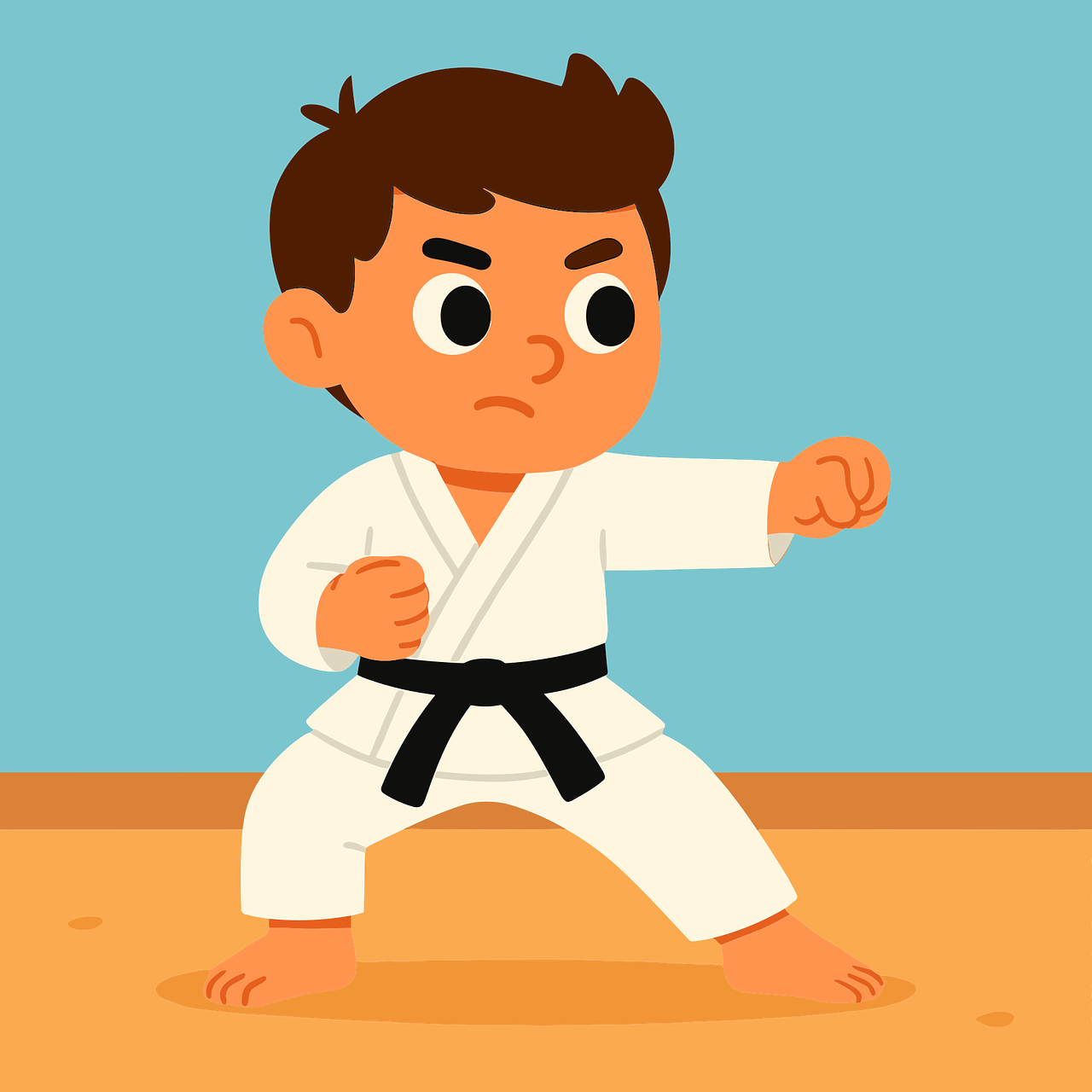

Benefits of Martial Arts for Kids: Building Confidence and Discipline
Martial arts provide children with a structured environment where they can learn essential skills. These skills include discipline, respect, and perseverance, which are valuable both on and off the mat. By practicing routines and kata, kids develop a routine that promotes not only physical activity but also cognitive growth. This discipline requires focus, which translates into better concentration in academic settings. With consistent training, children soon find themselves improving in various aspects, fostering a sense of accomplishment. Additionally, martial arts classes are set up to encourage teamwork among kids, allowing them to learn from one another and work cooperatively. This social aspect of martial arts builds camaraderie and helps children develop friendships outside their immediate social circles. Parents often report that their children become more responsible and confident as they advance in their martial arts training. These attributes are cornerstones of personal development and can serve children throughout their lives. Learning martial arts empowers kids to defend themselves better physically and mentally, providing essential life skills. The blend of mental and physical training enhances their resilience, preparing them for future challenges in life.
Physical Health Benefits
When enrolled in martial arts classes, children benefit from an increase in physical activity, which contributes greatly to their overall health. Regular practice keeps them active and helps combat the growing issue of childhood obesity by promoting fitness in a fun way. Training sessions typically emphasize cardiovascular health, strength, flexibility, and coordination through various exercises and drills. These elements are critical for growing children who need to develop healthy bodies. The structure and discipline of martial arts training can also inspire children to adopt healthier lifestyles outside the dojo. Kids will develop an appreciation for fitness, leading them to make better food choices and engage in other physical activities. The skills learned in martial arts enhance motor skills and hand-eye coordination, essential for academic tasks. Parents may notice improved behavior, as students gain more energy and focus in their daily activities. Additionally, the physical exercise involved in martial arts releases endorphins, which help improve mood and reduce stress. This emotional benefit is crucial for kids, who often struggle with anxiety or pressure from school. Thus, martial arts serve as a valuable outlet for energetic youngsters, ensuring physical well-being is prioritized.
Social Skills and Teamwork
Participating in martial arts cultivates essential social skills, which are crucial during a child’s formative years. In group classes, children interact with peers and instructors, learning how to communicate effectively and work as part of a team. These interactions foster mutual respect and understanding among participants, encouraging friendships that can last a lifetime. Moreover, martial arts teach kids to respect their opponents and instructors, enriching their empathy and emotional intelligence. Being a member of a martial arts class helps kids understand the values of teamwork as they engage in partner drills and sparring sessions, where cooperation is necessary for safety and growth. This communal environment breaks down barriers, allowing kids from varying backgrounds to work together toward common goals. The supportive atmosphere motivates them to overcome personal challenges while instilling a sense of belonging. Furthermore, many martial arts schools host competitions and seminars, offering kids a chance to interact with a broader community of practitioners. Such experiences cultivate networking skills, vital for both personal and professional development in the future. As kids build relationships, they also develop social confidence, which will serve them well in various life situations.
One of the most outstanding advantages of martial arts training is the boost in self-esteem and confidence that children experience. As they learn new techniques and advance through the ranks, they receive recognition and achievement awards, which notably enhances their self-worth. Completing challenging tasks during training sessions allows kids to realize their potential and embrace their strengths. This validation fosters a strong belief in themselves, encouraging them to tackle obstacles in other areas of life. Children who participate in martial arts learn to set and achieve specific goals, a process that builds a sense of purpose and accomplishment. This newfound confidence often extends beyond martial arts, positively impacting their academic performance and relationships. In martial arts, perseverance is key; students learn how to deal with failures and setbacks, navigating life’s challenges more gracefully. Furthermore, the ability to defend oneself physically contributes to a rounded sense of security. As they master various techniques, kids realize they are stronger than they previously thought, instilling resilience to face challenges head-on. Through this journey, children not only build confidence but are also equipped with valuable self-defense skills that can help protect them.
Martial arts instruction often incorporates essential life skills and philosophies that help children grow into responsible individuals. Through lessons in respect, humility, and responsibility, kids learn to take ownership of their actions inside and outside the dojo. These teachings promote a well-rounded mindset that encourages them to be thoughtful and considerate wherever they go. Practicing martial arts also instills discipline, as students must adhere to class schedules and training regimens. They learn about the importance of setting priorities and managing their time effectively. Also, the structured environment of martial arts training nurtures strong work ethics, as kids must commit to their growth, understanding that effort leads to improvement. The emphasis on goal setting gives children the tools they need to envision their personal development. Engaging in discussions about daily challenges, lessons learned, and moral lessons further enriches their understanding of these values. Ultimately, martial arts provide more than just physical training; they embody a holistic approach to self-improvement that makes a lasting impact on kids’ character development, allowing them to become positive contributors to society.
In a world increasingly filled with distractions, martial arts provides kids with the opportunity to focus on their personal development in a constructive manner. The art form demands dedication and persistent effort, instilling a sense of discipline that can be carried forth into their daily lives. By practicing techniques and kata, kids develop a level of concentration that can be hard to achieve amidst competing influences like video games and social media. This ability to focus helps them better navigate their educational responsibilities, leading to improved academic performance. Additionally, the discipline learned from martial arts spills over into home life, as children begin to adopt a more organized approach to their commitments and chores. Parents often report transformations in their children’s behavior and attitudes after they have been enrolled in martial arts classes. The structured environment provides kids with clear expectations, fostering accountability for each child’s actions. As they learn the importance of being consistent and dedicated, kids grow to understand the value of perseverance in the face of adversity. Overall, martial arts help children hone their focus, translating these skills into success across various aspects of their lives.
Finally, one of the most significant benefits of martial arts for kids is the promotion of self-defense skills. In a world where safety is paramount, equipping children with the knowledge of how to protect themselves is invaluable. Through various techniques, children learn effective ways to avoid confrontation and resolve conflicts peacefully. However, they also gain the confidence that comes with knowing they can defend themselves if situations become threatening. Understanding personal safety strategies helps kids to be more aware of their surroundings, leading to increased vigilance and situational awareness. The skills garnered in martial arts promote the idea of using self-defense as a last resort, emphasizing the importance of dialogue and resolution prior to escalation. Moreover, martial arts often provide role-playing scenarios, allowing children to practice how to act in potentially dangerous situations. Parents can rest easy knowing their children possess both the physical skills and mental strategies needed to navigate challenging scenarios effectively. This combination of physical, mental, and emotional training ensures that kids not only grow as martial artists but as confident individuals prepared for whatever life may throw their way.
In summary, children who engage in martial arts will build numerous skills and values that serve them well in life. They cultivate self-confidence, discipline, teamwork, and social skills while improving their physical health and self-defense capabilities. By providing a structured environment, martial arts foster essential life philosophies that contribute to becoming responsible, empathetic individuals. The skills learned throughout their training journey extend far beyond the dojo, impacting their daily lives positively. It is a holistic approach to personal development, ensuring that every aspect of a child’s growth is nurtured. As youngsters engage in martial arts, they grow not only in terms of physical prowess but in emotional intelligence and character as well. Parents seeking extra-curricular activities that enrich their children should seriously consider enrolling them in martial arts classes. The benefits gained from this practice are profound and enduring, making martial arts an invaluable investment in a child’s future. The combination of physical training, personal discipline, and social interaction assures families that their children are developing comprehensive life skills. Overall, martial arts prepare kids for life while promoting physical fitness and mental resilience.