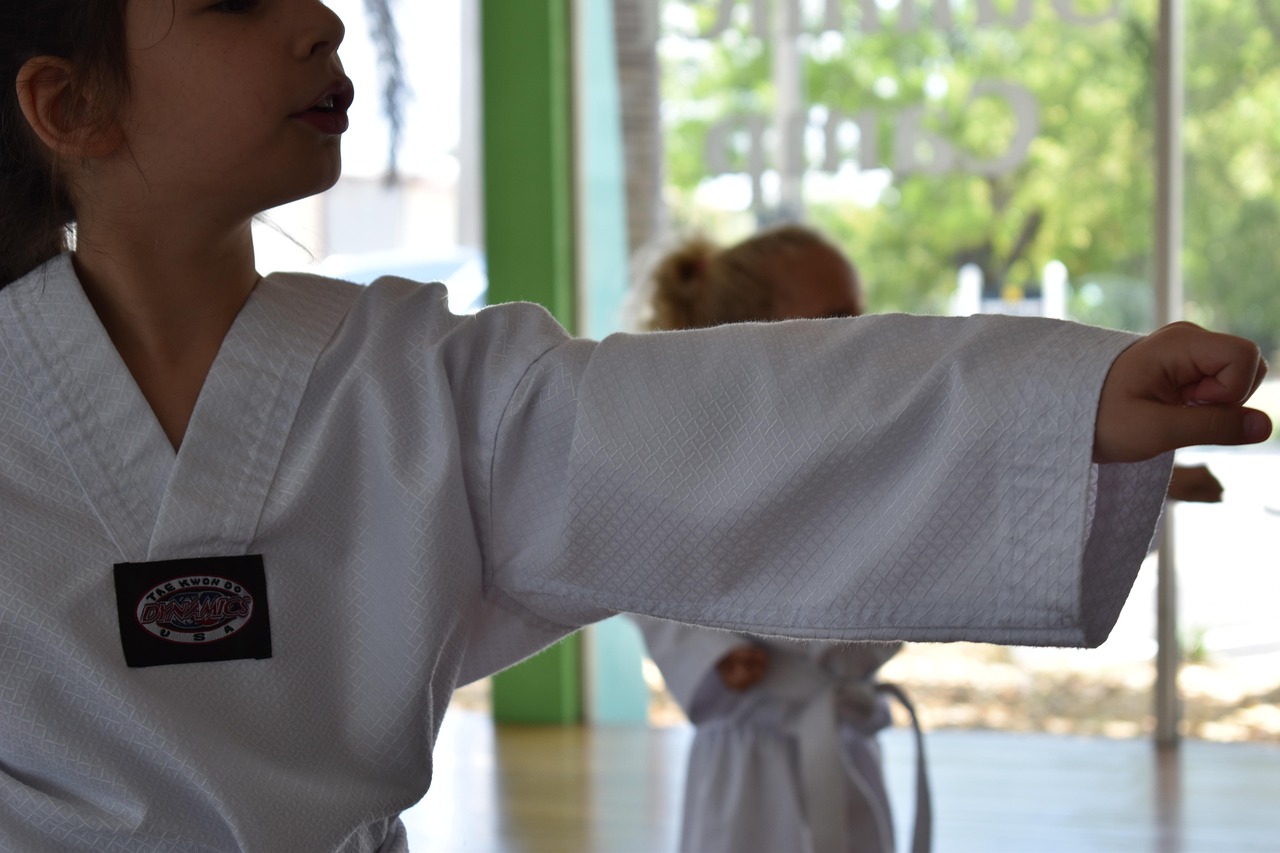

Training Regimens Tailored for Competitive Martial Artists
Martial arts competitions require specific and rigorous training regimens for athletic success. Tailored programs focus on various aspects, such as strength, endurance, flexibility, and technique. Each of these components fosters overall athletic performance and readiness for competition day. Strength training emphasizes building muscle and enhances explosive power. This power translates into faster, more effective strikes and grappling maneuvers. Balanced routines incorporate both upper and lower body workouts, often using free weights, resistance bands, or body-weight exercises. Endurance training significantly boosts stamina, enabling martial artists to perform persistently during long bouts. Including high-intensity interval training (HIIT) can vastly improve cardiovascular fitness. Flexibility work through dynamic and static stretching reduces the risk of injury and allows for a greater range of motion during fights. Moreover, refining techniques through regular sparing sessions solidifies learned skills. Effective drilling and simulation help practitioners mentally prepare for real competition scenarios. A combination of these elements leads to a comprehensive training plan that maximizes performance and helps artists refine their competitive edge. Optimizing these elements ensures superior readiness when stepping into the martial arts arena.
Importance of Nutrition and Recovery
A successful competitive martial artist must prioritize nutrition and recovery alongside a rigorous training regimen. Proper fuel assists in maintaining optimal energy levels and enhances overall performance. A diet rich in complex carbohydrates, lean proteins, and healthy fats provides the necessary nutrients needed for rigorous workouts. Incorporating various fruits and vegetables ensures essential vitamins and minerals for bodily functions. Staying hydrated is crucial for peak performance and recovery. Dehydration can impair physical and mental performance, so athletes must drink sufficient amounts of water throughout the day. Recovery plays an equally important role, ensuring that muscles repair and rebuild in between intense training sessions. Thermal therapies, massages, and foam rolling are beneficial techniques that help restore the body. Additionally, incorporating adequate sleep into everyday routines promotes optimal recovery. Sleep is vital for muscle repair and fat loss, ultimately influencing performance. Without sufficient rest, motivation dwindles, leading to poor results. Scheduling planned recovery days allows practitioners to recuperate while minimizing the risk of injury. Therefore, a focus on nutrition alongside efficient recovery methods is crucial when training for success in martial arts competitions.
Mentally preparing for competition is as essential as the physical aspects of training. Competitive martial artists face intense psychological pressure that can affect performance levels. A well-rounded training regimen should incorporate mental conditioning techniques. Visualization exercises allow athletes to mentally rehearse techniques, enhancing confidence and familiarity with fight scenarios. Meditative practices assist in developing mental focus and managing anxiety before and during competitions. Breathing control techniques prove valuable, enabling martial artists to stay calm under pressure. Developing a positive mindset cultivates resilience, empowering practitioners to overcome challenges during fights. Another critical aspect is establishing routine and consistency. Structured training schedules help athletes develop habits over time, fostering discipline and a strong work ethic. Additionally, setting specific, measurable goals creates a roadmap for progress, motivating martial artists to push through challenges. Accountability can also be bolstered by training partners or coaches who provide constructive feedback and encouragement. Achieving success in a martial arts competition goes beyond physical prowess; mental fortitude proves crucial in achieving victories. Focusing on the interplay between mind and body fosters comprehensive development as an athlete prepared for challenges on the mat.
Bridging the Gap: Skill Specificity and Adaptations
Focusing on skill specificity is crucial forsuccessfully achieving proficiency in martial arts competitions. Specificity ensures that training directly correlates to performance outcomes in matches. Athletes should prioritize drills that mirror potential fight scenarios, improving technical execution under conditions simulating competition pressure. Adapting sparring sessions is essential in replicating these scenarios effectively. Varying partners, styles, and conditions fosters better decision-making and reinforces adaptive thinking during fights. Emphasizing critical elements, such as timing and distance management, sharpens practitioners for real fight situations. Utilizing video analysis can reveal weaknesses in techniques and tactics, guiding adjustments in training regimens. Athletes can study their own performances and analyze opponents to formulate effective strategies. Implementing additional conditioning drills targeting martial-specific movements, such as pivoting or footwork, enables body adaptation to perform with precision. Strength training should mimic functional movements to translate power effectively during fights. More than just developing strength alone, martial artists must engage in fine-tuning all facets of their abilities. Adaptations within these customized training regimens maximize potential, helping athletes bridge performance gaps while preparing for competitions. Skill specificity and adaptations direct focus towards progression, ultimately leading to successful competitive outcomes.
Incorporating cross-training into a martial artist’s regimen enhances versatility and performance. Engaging in various training methods provides a unique-edge and elements complementary to martial arts disciplines. Practices like yoga improve flexibility while promoting mental clarity and mindfulness—two traits beneficial during competitions. Additionally, strength training from disciplines, such as powerlifting or Olympic weightlifting, enhances explosive power within martial arts techniques. Benefits extend to injury prevention by strengthening support muscles around joints. Integrating cardio workouts through activities like cycling, swimming, or running bolsters overall endurance, ensuring martial artists maintain stamina during longer matches. Furthermore, practicing diverse martial arts styles broadens an athlete’s skill set, providing innovative techniques and strategies to apply in competitions. Training in Brazilian Jiu-Jitsu can improve grappling skills, while boxing enhances striking capability. Collaboration with practitioners from various backgrounds inspires creativity, fostering development outside traditional boundaries. While dedication to primary martial arts practice remains essential, cross-training diversifies skills, ultimately bettering performance. Engaging in multiple disciplines liberates athletic potential, preparing competitive martial artists to evolve through continuous learning. Embracing different frameworks fosters a holistic approach essential for mastering various combat situations.
The Role of Coaches and Mentorship
Coaches and mentors contribute significantly to the growth of competitive martial artists. Experienced instructors provide guidance, imparting techniques, strategies, and insights crucial for success. Building a relationship rooted in trust fosters an environment where athletes can safely navigate their fears and obstacles. Coaches help identify strengths, weaknesses, and specific areas for improvement, leading to increased focus on skill development. Feedback during training helps athletes adjust techniques and enhance performance. Mentorship extends beyond coaching, offering emotional support and motivation during the competitive journey. Having a mentor fosters accountability, ensuring athletes remain committed to their goals. Moreover, experienced mentors share valuable real-life experiences, which prepare athletes for the challenges of competition. Observing previous fights helps athletes understand various styles, strategies, and adaptability within diverse contexts. Pre-competition advice can help alleviate tension and enhance confidence. Network building enabled by mentors opens opportunities for workshops, seminars, and sparring sessions with other skilled practitioners. These relationships ultimately broaden horizons, strengthening the martial arts community. A well-rounded mentor can guide practitioners toward unparalleled success, blending discipline, wisdom, and experience within the competitive landscape.
Finally, evaluating and adjusting training regimens is essential for continuous improvement in martial arts competitions. Every athletes progresses at different rates, emphasizing the need for personalized approaches. Consistent self-assessment allows martial artists to track growth patterns and identify any stagnation within their training. Adjustments in intensity, volume, and focus areas cater to the evolving needs of individual athletes. Periodic evaluations encourage proactive changes, ensuring athletes remain engaged and motivated. Additionally, seeking feedback from peers and coaches provides perspectives outside personal experiences. Incorporating technology and data analysis enhances understanding of performance metrics and biomechanics. Strategic software applications may highlight trends or areas needing attention. Tailoring future training schedules based on insights gained earmarks each athlete for targeted development. Another key component is ensuring that goal setting aligns with training adjustments. Completing milestones reflects progress, inspiring motivation to strive for greater accomplishments. Seeking external challenges, such as competitions or tournaments, fosters real-time experience, validating the effectiveness of training regimens. Committing to this evaluative process leads martial artists toward optimal performance in competitions, sustaining growth through continual adjustments.