
Senior Fitness Equipment: What You Need and How to Use It Safely
Choosing the right fitness equipment is crucial for seniors looking to maintain an active lifestyle. It is essential to consider safety, comfort, and effectiveness when selecting equipment. Some popular options include resistance bands, dumbbells, and stability balls, all designed to enhance strength and flexibility while minimizing injury risk. Resistance bands are excellent for various strength training exercises, adaptable to multiple capabilities. Dumbbells contribute to improved bone density and muscle maintenance, while stability balls can enhance balance and core strength. It is essential to consult with a fitness professional to create a safe, personalized workout plan. Also, check with a healthcare provider before starting any equipment-based program. Ultimately, the aim should be to engage in regular physical activity that meets individual abilities. Consider incorporating balance and stretching exercises to create a well-rounded routine. Regular activity can significantly improve the quality of life, enhancing mobility, and reducing the risk of falls. Remember, it’s okay to start slow and gradually increase intensity, ensuring a focus on safety and wellness for an enjoyable experience. Stay active, stay safe, and enjoy the benefits of fitness throughout the senior years.
When engaging in fitness activities, it’s vital to prioritize safety. Understanding how to properly use both equipment and execute exercises is essential. Start each session with a gentle warm-up to prepare muscles and joints, which reduces the risk of injury. For instance, perform light stretches or walking in place for a few minutes. Regardless of the equipment, ensure a stable footing and maintain proper posture during workouts. For example, when using dumbbells, keep arms and elbows aligned to avoid strain and injury. Consider consulting instructional videos or lessons demonstrating proper form. Moreover, it’s helpful to use equipment according to one’s own fitness level, especially for beginners. Progress gradually, increasing weights or resistance only when comfortable. Equipment should be placed in a clutter-free area to prevent accidents during exercises. Always hydrate before, during, and after workouts to maintain energy levels and performance. Following these guidelines will not only enhance the effectiveness of workouts but also significantly reduce the risk of accidents. Incorporating a mix of cardiovascular activities, strength training, and flexibility exercises can lead to balanced fitness while supporting overall health. Emphasizing safety will pave the way for a positive exercise experience that encourages ongoing participation.
Strength Training Equipment for Seniors
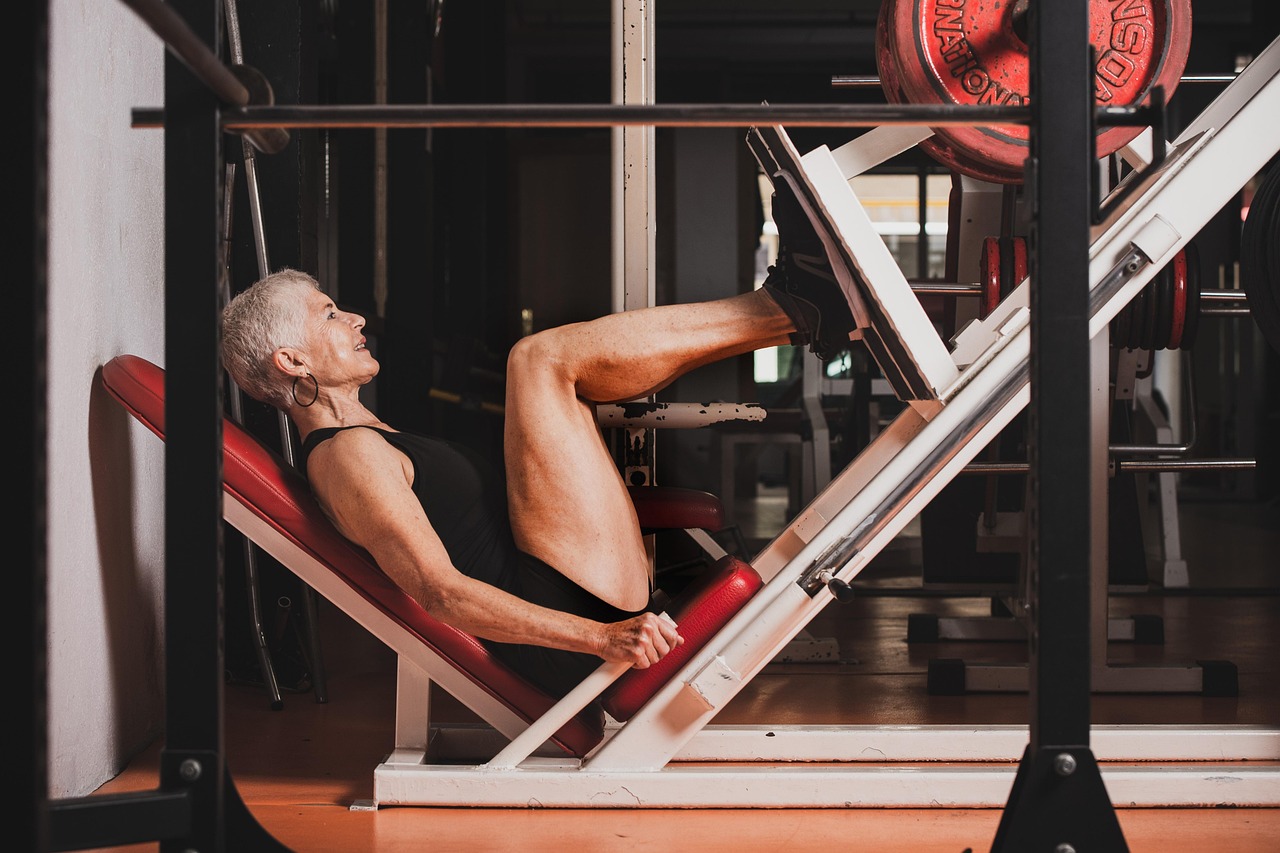
Strength training is vital for seniors to maintain muscle mass and bone density. Several types of equipment are particularly senior-friendly. Resistance bands are an excellent choice due to their versatility and diverse strength levels. They can be used for a variety of exercises, aiding in resistance without overexerting. Dumbbells are also beneficial as they allow for progressive strength challenges. Start with light weights, focusing on higher repetitions to build endurance. Adjustable weight systems provide tailored options to meet individual needs effectively. Additionally, weight machines at gyms can guide movements, ensuring correct posture and limiting injury risk. However, it’s crucial to learn how to operate these machines safely before use. It’s advisable to work under the guidance of a certified fitness trainer initially to ensure exercises are performed correctly. Incorporate strength training sessions at least twice a week. This practice promotes stronger muscles, helping improve daily function and coordination. Over time, individuals may notice increased strength from daily activities, providing an improved overall quality of life. Safety, consistency, and gradual progression in exercises contribute significantly to achieving successful outcomes in strength training for seniors.
Aside from strength training, balance and flexibility are critical components of senior fitness. Specialized equipment can further aid these areas, enhancing stability and mobility. Products like balance boards and ankle weights provide engaging ways to increase core strength and stability. Balance boards can be used to improve coordination while standing, making movements more robust. Ankle weights are useful for leg exercises, enhancing strength and stability while ensuring mobility during everyday tasks. Stretching tools such as foam rollers and yoga straps can improve flexibility, promoting a range of motion that supports safety during other activities. Consistent practice of flexibility exercises can alleviate muscle tightness and decrease pain, allowing for a more active lifestyle. Incorporating Tai Chi or low-impact yoga routines can also improve balance and flexibility without undue strain. These practices encourage mindfulness, reducing stress while enhancing physical capabilities. Establishing a balanced routine incorporating these activities can yield significant health benefits. Regular training to enhance balance and flexibility will support overall well-being, reduce the risk of falls, and foster independence. Ultimately, the goal is to cultivate confidence and safety while engaging in all physical activities, promoting a vibrant senior life.
Cardiovascular Fitness for Seniors
Cardiovascular health is vital for seniors. Maintaining an active lifestyle supports heart health, metabolic function, and overall stamina. Engaging in aerobic exercises such as walking, swimming, or cycling can bolster cardiovascular fitness efficiently. Start with activities that are enjoyable and sustainable. Walking is low-impact and can easily incorporate daily routines, requiring minimal equipment. Some choose to use exercise bikes, which offer great cardiovascular support at lower strain levels. For seniors preferring group activities, local classes often offer water aerobics, combining fitness with social interaction. Keeping heart rates elevated during activity provides substantial benefits to cardiovascular systems. Using a fitness tracker can also help monitor activity levels, keeping users informed about their heart health appropriately. Set achievable fitness goals that gradually increase to maintain motivation. Engaging in routine activities two to three times a week yields significant health advantages. As cardiovascular health is integral to physical well-being, seniors must prioritize it within their exercise programs. Always pay attention to how the body feels during workouts; resting when signs suggest overexertion is crucial. Striving for consistency and passion when engaging in cardiovascular exercises promotes longevity and better health outcomes over time.
Incorporating technology can enhance the workout experience significantly for seniors. Fitness trackers, smart watches, and health applications are excellent tools to monitor fitness progress, track heart rates, and set activity goals. This integration supports motivation and accountability, encouraging regular exercise. Many trackers send alerts to remind users to engage in movement, which is especially beneficial for seniors who may need a prompt to sustain an active lifestyle. Additionally, online platforms often provide tailored workout programs that cater to different fitness levels and abilities. Joining virtual classes allows seniors to stay connected with fitness communities from the comfort of their homes. Online resources offer access to guided videos demonstrating proper exercise techniques, providing valuable instruction without feeling overwhelmed. Facebook groups or local forums often discuss senior-specific techniques, creating community support for fitness enthusiasts. Engaging with like-minded individuals provides a social aspect to fitness, which can further motivate participation. Remember to choose wearable technology and online resources that fit personal needs and preferences comfortably, ensuring a positive experience. Technology adoption significantly enhances the chances of maintaining an active lifestyle while accommodating safety and ease in engaging activities.
Conclusion: Staying Safe and Active
In conclusion, investing in senior fitness equipment and understanding how to use it safely is integral to maintaining health and vitality. Prioritizing safety, seeking guidance from professionals, and staying engaged with enjoyable activities foster motivation. Regular strength training, flexibility, and cardiovascular exercises enhance physical capabilities while promoting independence. Additionally, incorporating various tools and technologies can greatly improve workout experiences, ensuring that activity remains engaging and enjoyable. The importance of establishing a balanced routine cannot be overstated, as it supports overall well-being while reducing decline in function over time. Always listen to your body and adjust activities accordingly, ensuring workouts remain safe and comfortable. With the right mindset, equipment, and support, seniors can achieve impressive success in their fitness journeys. Consider combining these resources with social opportunities to create a vibrant community around fitness, fostering positive experiences. As you establish a fitness routine, remember to celebrate small successes along the way, building a sense of accomplishment. Ultimately, the goal is to cultivate health, strength, and wellness during the senior years, leading to a fulfilling life rich with activity and joy. Embrace fitness and enjoy the journey towards optimal health and well-being.
As we conclude, remember that everyone’s fitness journey is unique. Tailor equipment choices and exercises to personal physical capabilities and preferences. Opt for joint-friendly options and gradually introduce new activities for a safer experience. Regularly assessing fitness needs and adjusting equipment will promote long-term health benefits, ensuring a satisfying fitness lifestyle. Consulting with fitness specialists is recommended for personalized guidance and support throughout the journey. Embrace the process, knowing that enjoying movement and routine is essential for advancing well-being. Building a network of support can also enhance motivation and commitment to an active lifestyle. Share experiences and learn from others who are on similar paths, creating community connections that enrich fitness endeavors. Finding joy in movement is key, whether through dance classes, gentle yoga, or playful walks in nature. Don’t hesitate to explore various activities until you discover those that resonate well with your spirit. Always keep in mind that safety is paramount while exercising, ensuring to use equipment as intended, and adjusting as needed for comfort. Enjoy and thrive—the journey to fitness is rewarding at any age, leading to a healthier, happier life overall!