
Senior Fitness Classes Focused on Posture and Alignment
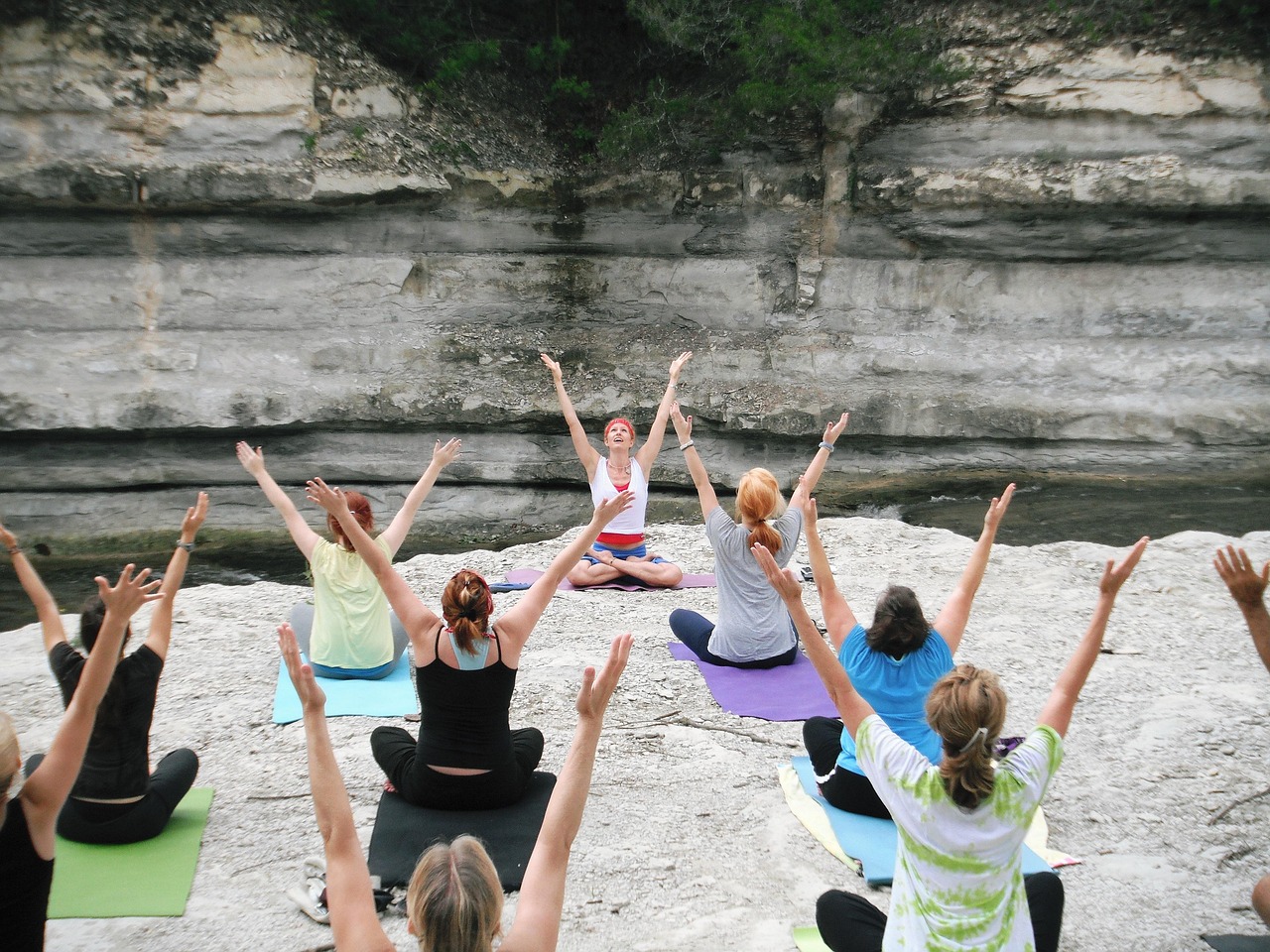
Senior fitness programs emphasize various aspects of health, including posture and alignment, essential for overall well-being. Good posture helps older adults maintain stability, balance, and proper body mechanics. Many seniors face challenges due to age-related changes such as osteoarthritis, osteoporosis, and muscle stiffness. By participating in specialized fitness classes, seniors can effectively address these problems. Exercises often include stretching, strengthening, and balance training to improve physical capabilities and build functional strength. Classes might incorporate yoga or Pilates to emphasize core strength and flexibility. Not only does attending these classes help improve physical strength, but they also foster a sense of community among participants. Seniors often find motivation from one another, sharing their progress and advice during workouts. Additionally, these classes can serve as an excellent gateway to a healthier lifestyle, encouraging participants to engage in regular physical activities outside of formal classes. In turn, this can lead to improved mental health as well. Studies indicate that seniors who maintain good posture and alignment are less likely to experience falls or injuries. Thus, investing time in these classes can greatly enhance one’s quality of life.
Whether focusing on group exercises or individual routines, the structure of senior fitness classes is often tailored to varying levels of ability. Class instructors usually assess participants’ needs and design programs that accommodate the group. This approach ensures that everyone benefits from sessions aimed at improving posture and alignment. Participants can expect exercises that strengthen the back, core, and legs, which are crucial for stability. Customization ensures that individuals with different physical conditions can safely join and reap the fitness benefits. A common feature is the use of props, such as resistance bands and stability balls, which offer additional support and challenge to participants. The goal is for seniors to confidently execute movements while enhancing their bodily awareness and coordination. Furthermore, many classes might encompass educational components, where instructors teach participants about body mechanics and the importance of maintaining good posture in daily activities. This understanding leads to greater application in real-life situations, whether walking, bending, or simply sitting. Ultimately, these classes serve as a holistic approach, promoting physical fitness and comprehensive education to help seniors thrive.
The Benefits of Posture Awareness
Fostering awareness of proper posture can significantly impact seniors’ lives. When individuals understand their bodies, they become more conscious about alignment and positioning during daily tasks. This awareness can lead to the prevention of various musculoskeletal problems, such as back pain and joint discomfort. The role of posture in balance is crucial as well, influencing the ability to move safely and confidently. Seniors enrolled in fitness classes focusing on posture might experience increased energy levels throughout the day. Some participants report better sleep patterns and less fatigue when engaging in regular fitness activities. These positive changes are attributed to improved circulation and muscular function, resulting from maintaining an active lifestyle. Additionally, the social aspect of participating in group classes cannot be overlooked; crafting friendships often boosts morale and motivates seniors to continue their fitness journeys. Being surrounded by peers encourages accountability, making it more likely for seniors to attend classes consistently. Hence, encouraging proper posture isn’t simply about physical health but extends to emotional and social well-being as well. Senior fitness classes unite all these elements, creating a supportive environment where participants flourish.
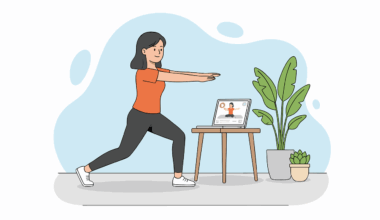
Moreover, technology has played a vital role in shaping senior fitness classes. Many instructors utilize video demonstrations or apps that allow seniors to follow along easily. This innovation enables participants to work at their own pace, fostering a better understanding of exercises focused on posture and alignment. Not only does technology enhance learning, but it also opens up opportunities for virtual classes, making fitness more accessible to those who face transportation challenges. It encourages seniors who may feel uncomfortable in traditional classes to thrive in an online community. Many communities also provide hybrid options, blending in-person and online formats, ensuring flexibility that can accommodate various schedules and preferences. Engaging in fitness has become easier than ever for seniors due to these advancements. Moreover, with an increased focus on health and wellness, more organizations are taking steps to educate and promote senior fitness programs. This broad range of accessibility supports seniors to engage without barriers. Fitness classes are available in various forms, emphasizing an inclusive approach that encourages all seniors to participate, regardless of their backgrounds or experiences.
Types of Exercises Offered
Seniors can benefit from a variety of exercises specifically aimed at enhancing posture and alignment. Classes often combine several types of movements, such as stretching, resistance training, and low-impact cardio. Stretching exercises may include gentle neck rolls, shoulder shrugs, and torso twists to improve flexibility and reduce stiffness. Resistance training involves using light weights or resistance bands to strengthen muscles supporting posture. Additionally, low-impact cardio exercises, such as walking or cycling, support cardiovascular health while being easier on joints. Combining these exercises in one class enables participants to engage their whole body, reaping multiple benefits. Instructors often adapt exercises to suit individual needs, ensuring that everyone experiences a tailored workout. The holistic focus not only strengthens muscles but also enhances joint stability and overall mobility. Flexibility work helps decrease the risk of injury, allowing seniors to move better throughout their daily lives. Furthermore, classes often incorporate post-workout cooldown routines to reinforce relaxation and mindfulness. This approach can lead to greater retention of balance and flexibility gains. In this way, seniors ultimately achieve a well-rounded fitness routine that prioritizes posture and safety.
Maintaining strong communication between instructors and participants is essential for optimal engagement. Instructors should be vocal about modifications and safe practices to ensure that each senior feels comfortable and confident during sessions. Providing immediate feedback and encouragement can reinforce learning while also helping participants understand their body mechanics better. Communication extends beyond verbal interactions; instructors may use visual cues to demonstrate correct postures. Additionally, fostering an open environment where participants feel free to ask questions strengthens their understanding and encourages active participation. This vital component fosters trust and enhances group cohesion. As a result, seniors often find themselves more invested in the program, contributing positively to their overall experience. Building this rapport leads to a deeper commitment to personal health and wellness goals. Moreover, having a supportive atmosphere promotes resilience and empowerment, encouraging seniors to share their progress and celebrate successes together. Finally, creating a community of support increases the chances of long-term adherence to fitness programs. As seniors develop friendships through shared goals, classes transform into something more than exercise; they become vital social outlets that uplift and heal.
Encouraging Lifelong Fitness
The importance of fitness for seniors extends well beyond improving posture and alignment; it fosters a lifetime of wellness. By participating in classes that prioritize these areas, seniors can cultivate habits that promote long-lasting physical health. As they progress in their fitness endeavors, individuals often discover new efficiencies in movement, leading to more independence and mobility in their daily lives. Regular participation can significantly boost their overall quality of life, encouraging active engagement in social events and activities. Furthermore, seniors often find new passions through fitness, such as dancing, swimming, or hiking, embracing varied exercises that keep them excited and motivated. Adopting an active lifestyle becomes not just a goal but a rewarding journey. Many seniors emerge from these classes with newfound confidence and energy, often inspiring others to join as well. When seniors commit to lifelong fitness, they create a ripple effect, influencing friends and family. The encouragement fosters family bonding and shared experiences, making fitness a family priority. Ultimately, this leads to happier, healthier lives, ensuring that seniors maintain a sense of purpose and joy in their everyday experiences.
By fostering a fitness-centric culture among seniors, it becomes easier to combat the challenges of aging. Classes that focus on posture and alignment provide a safe space for seniors to prioritize their health actively. This proactive approach helps manage chronic conditions and enhances emotional health, leading to improved mental well-being overall. Encouraging regular participation in such classes, senior centers and community organizations often host events, workshops, or health fairs to raise awareness about the benefits of fitness and healthy living. Providing resources and educational materials can inspire seniors to take that first step. Additionally, connecting seniors with healthcare professionals can reinforce the importance of exercise for maintaining a healthy lifestyle. More importantly, addressing common barriers, such as limited access to facilities or transportation issues, encourages greater participation. The ultimate goal is to ensure that seniors have the support they need to lead fulfilling lives. This mission highlights the importance of community involvement and awareness in increasing seniors’ engagement. Thus, collectively promoting fitness leads to building healthier communities. When seniors feel empowered to prioritize their wellness, the ripple effects go far beyond individuals, influencing families and communities alike.