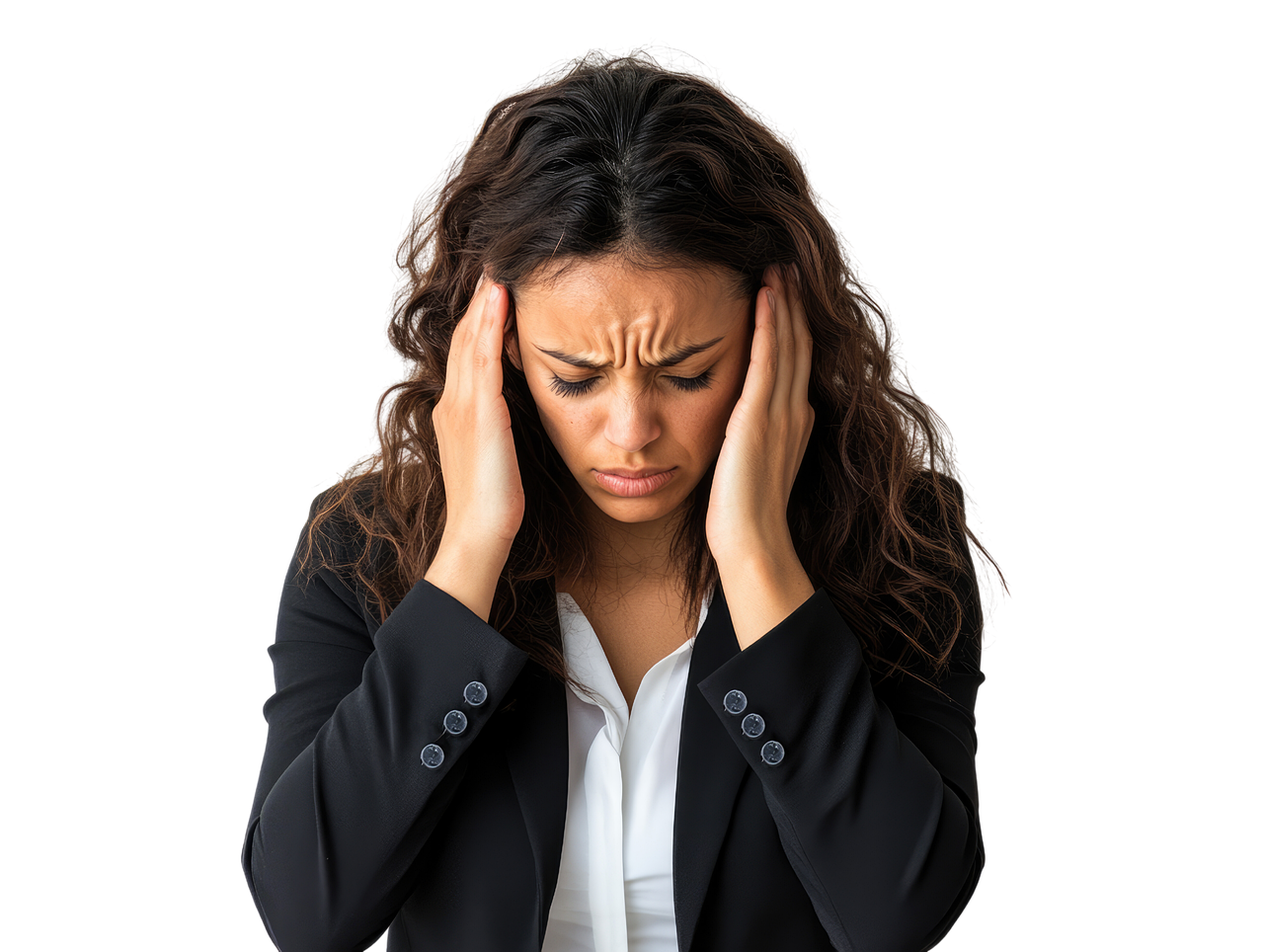

Recognizing Symptoms of Chronic Stress Affecting Mental Health
Chronic stress is a detrimental state that not only impacts your physical well-being but also greatly affects your mental health. Symptoms of chronic stress may manifest as constant anxiety, irritability, or emotional exhaustion. When heightened stress persists over time, it can lead to more serious mental health conditions such as depression or generalized anxiety disorder. Recognizing these signs early can enable timely intervention and support. Thus, being proactive and mindful of how you feel is essential. If you find yourself constantly on edge or unable to cope with daily demands, you might be experiencing chronic stress symptoms. Remember, stress management techniques such as mindfulness, deep breathing, and regular exercise can help mitigate these effects. For those who notice changes in mood or behavioral patterns, they’re strongly encouraged to consult with mental health professionals. Seeking therapy or support groups can be incredibly beneficial. Ultimately, understanding your own mental health is an important step towards reclaiming a balanced life where joy and peace prevail despite external pressures. Address each sign as it appears.
Common signs of chronic stress include physical and emotional symptoms that often interconnect. Physically, you may experience symptoms like headaches, fatigue, muscle tension, or gastrointestinal issues. Emotionally, chronic stress may manifest as mood swings, overwhelming feelings of sadness or irritability, and difficulty concentrating. You may find it harder to make decisions or feel motivated in your daily life. Noticing how stress can alter your behavior is crucial for your mental health. As stress progresses, you might withdraw from social interactions or take less interest in activities you used to enjoy. This can create a cycle leading to isolation and worsening symptoms. Importantly, it is vital to talk about these feelings. Surrounding yourself with understanding people can significantly improve your mental well-being. There are various resources, including hotlines and online forums, where you can reach out for assistance. Recognizing the interconnectedness of your physical and emotional experiences allows for a more comprehensive approach to manage stress effectively. Don’t hesitate to seek professional help if you identify with these signs. Taking care of your mental health should always be a priority.
Impact of Chronic Stress on Daily Life
The impact of chronic stress extends beyond emotional and psychological realms. It often influences daily life activities and overall well-being. For instance, chronic stress can affect personal relationships, work performance, and self-esteem. You may find difficulty engaging with friends or family due to persistent feelings of overwhelm. At work, stress might lead to decreased productivity, trouble focusing, or missed deadlines. When left unaddressed, these symptoms can create a vicious cycle, worsening feelings of inadequacy and fear. It’s essential to acknowledge these challenges and understand that they are a common response to prolonged stress. Many people go through similar feelings, which is a reason why support systems are critical. Identifying particular stress triggers can help both prevent and manage these issues. Keeping track of your experiences might reveal patterns and make it easier to establish coping strategies. Talking with professionals can provide you with tools tailored to your unique situations. By becoming aware of how chronic stress inhibits daily functioning, you can take decisive action to reclaim control over your life and mental health.
Signs of chronic stress may also show through behavior modifications that impact your routine significantly. You might resort to unhealthy coping mechanisms such as overeating, smoking, or excessive alcohol consumption as an attempt to manage your stress. Recognizing these behavioral shifts is a crucial part of addressing the underlying issues. Ideally, adopting healthier outlets such as regular physical activity, hobbies, or community involvement can create positive changes. Behavioral changes stemming from stress can further compound your struggles, making it vital to engage in self-reflection. Don’t overlook the importance of accountability; sharing your feelings and experiences with trusted friends can lighten your mental load considerably. It is often easier to cope with change when there are supportive outlets available to you. Seeking motivations from social networks, community resources, or therapy can provide significant reinforcement. Additionally, establishing a consistent routine can help regain a sense of control over your life. This can reduce anxiety levels and improve your overall outlook on daily tasks. Being proactive in recognizing and addressing these symptom changes can lead you toward better mental health and overall well-being.
Seeking Professional Guidance
Recognizing that you need professional help is a significant step towards recovery from chronic stress. Many individuals may hesitate to seek assistance due to the stigma surrounding mental health issues. However, it is essential to remember that mental health professionals are trained to help those experiencing chronic stress manage their symptoms effectively. They can provide evidence-based interventions tailored to your specific needs. Various treatment options, such as cognitive behavioral therapy (CBT), medication, or mindfulness strategies, can significantly decrease stress levels. Engaging in therapy is a proactive approach that can teach you skills to cope with external pressures. Additionally, support groups offer shared experiences and validation, nurturing a feeling of solidarity and understanding. Don’t hesitate to explore these avenues or consult with your primary care provider about referrals. Creating a support network can amplify your healing process. Incorporating self-care practices, alongside professional guidance, fosters a holistic approach to tackling stress. Remember, it’s okay to ask for help, and by doing so, you are making an empowering choice to prioritize your mental well-being.
In addition to professional support, adopting self-care practices is crucial in managing chronic stress. Simple daily habits can create a foundation for better mental health. Regular physical activity is one effective method known to release endorphins, often dubbed ‘feel-good’ hormones. Even moderate exercises such as walking or yoga can help alleviate stress. Paying attention to your nutrition can also impact your mental state significantly. A balanced diet rich in whole foods, fruits, and vegetables can improve energy levels and emotional stability. Beyond nutrition and exercise, practicing mindfulness techniques such as meditation or deep breathing exercises can help reduce feelings of anxiety. Creating a daily routine that includes time for relaxation and personal interests fosters a sense of equilibrium amidst chaos. Prioritize good sleep hygiene, as lack of quality sleep can exacerbate stress levels. Engage in activities that spark joy and fulfillment; consider hobbies that reconnect you with yourself. By incorporating these self-care principles, you not only nurture your body but also cultivate resilience against stressors. Building a strong foundation of health and well-being is vital for long-term mental health.
Conclusion: Addressing Chronic Stress
In conclusion, acknowledging and addressing chronic stress is crucial for maintaining mental health. Recognizing its signs and symptoms can prevent the development of more severe mental health issues. Everyday challenges may become overwhelming, but knowing that effective management strategies exist is empowering. Engaging in self-care, seeking professional guidance, and establishing support networks are essential steps toward recovery. Openly discussing your experiences helps break down barriers that may prevent you from seeking help. Reaching out to friends, family, or mental health professionals can create a robust support system that encourages healing. Remember, you’re not alone on this journey; others have walked similar paths. Stay committed to your well-being by exploring various coping mechanisms and understanding your stress triggers. Education on mental health issues only adds to your strength in addressing them. Gradually, you can rebuild a life characterized by balance, positivity, and fulfillment. Don’t procrastinate on taking this critical journey. You deserve peace and the skills to navigate the complexities of life far better. Taking decisive action today ensures a brighter tomorrow where mental health flourishes and thrives.
Recognizing symptoms of chronic stress affecting mental health is an ongoing process requiring reflection and understanding. Building awareness of how stress impacts your thoughts, feelings, and behaviors is necessary for meaningful change. Developing positive coping strategies will empower you to foster resilience over time, promoting happier outcomes. It’s prudent to engage in consistent self-assessment and remain open to adjusting tactics as circumstances change. Stay committed to implementing healthy routines while maintaining flexibility. Over time, your proactive approach to handling stress will pay off and develop into healthier habits. Accept there will be ups and downs; the path toward better mental health is not linear. With every small step you take, you’re gradually contributing to your overall well-being. Remember that progress may sometimes feel slow, but it’s the accumulation of these efforts that leads to significant transformations. Reach out when needed, maintain your support network, and continually seek information about mental health. Your journey is unique, and recognizing symptoms must involve embracing compassion towards yourself. Invest the time and energy into recognizing these signs enables you to take charge of your mental health. You’re capable of creating a life full of joy, balance, and resilience.