
Mental Focus and Mindfulness Through Aquatic Meditation
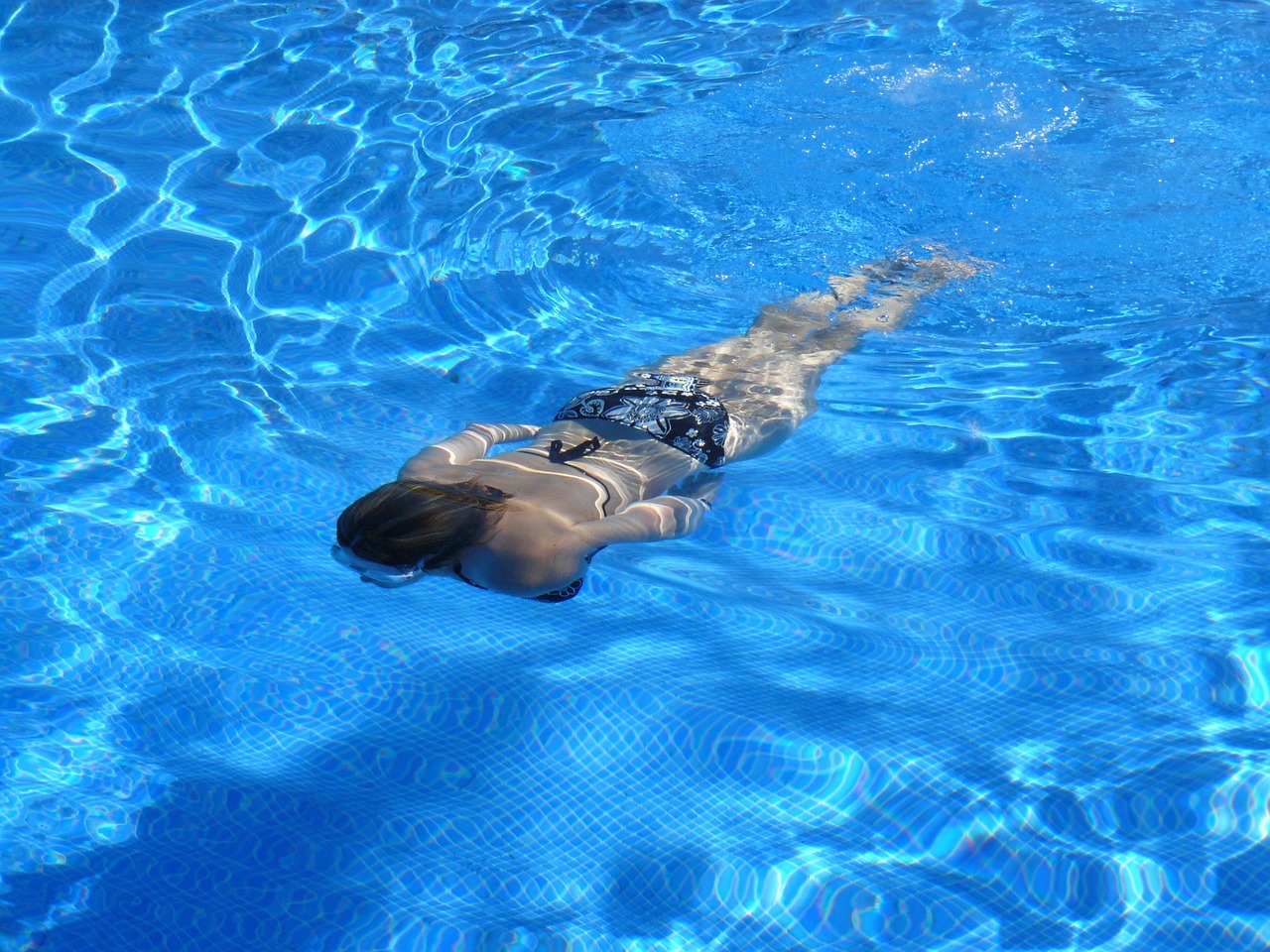
Aquatic meditation is a unique experience that synergizes the benefits of swimming and meditation, enhancing both mental focus and overall wellness. Water serves as a medium that soothes the body, allowing for deeper relaxation and focus on the present moment. Through such practices, individuals can explore the tranquility that the water offers, which aids in finding clarity in mind and body. One of the key benefits of aquatic meditation is its ability to enhance mindfulness by immersing oneself in the sensory experience of the water. In this environment, distractions fade away and individuals can concentrate on their breathing and movements, promoting mental clarity. Aquatic exercises help to reduce stress levels, therefore, swimming becomes more than just physical activity; it evolves into a holistic practice that encompasses overall mental health. By prioritizing mindfulness in aquatic settings, swimmers not only enhance their skills but also cultivate a routine that can potentially improve life quality. Whether it’s through formal meditation sessions in the pool or simply practicing mindful swimming, these activities invite calmness and focus as swimmers connect with water.
In a world where distractions are abundant, incorporating aquatic meditation into one’s fitness routine can yield profound results. Individuals practicing mindful swimming often find themselves in a meditative state as they glide through water, making it easier to let go of tension. The rhythmic movements paired with the calming effects of water help cultivate awareness of thoughts and feelings. Water’s unique resistance also engages the entire body, creating a comprehensive workout that contributes to physical health. A key practice of aquatic meditation is to focus on breathing; with a conscious effort to inhale and exhale steadily, swimmers elevate their mental status while enhancing lung capacity. This connection between breath and movement creates a flow that promotes tranquility. Engaging with the water, swimmers can gradually experience an inner peace, which further empowers one’s mental focus. Joining yoga or meditation classes designed for aquatic environments can enhance these benefits, instilling useful techniques for staying present in the moment. Furthermore, individuals who practice this regularly often report improved emotional regulation, showcasing a remarkable interaction between aquatic activity and psychological well-being.
Techniques for Aquatic Meditation
There are various techniques for incorporating aquatic meditation into swimming routines. One effective method is to focus on visualization. As swimmers immerse themselves in the water, they can envision serene landscapes or calming scenarios, reinforcing the mindfulness of the practice. This method allows the mind to transition into a state of relaxation, further distancing oneself from daily stress. Additionally, utilizing buoyancy aids like flotation devices can enhance comfort and reduce physical strain, supporting relaxation during meditation. Techniques such as progressive muscle relaxation can also be applied in water, where individuals consciously tense and then relax muscle groups, helping induce a meditative state. Another vital aspect is to synchronize breath with movement; focusing on this rhythm can significantly heighten awareness of the body, allowing for deeper meditation and focus. Moreover, incorporating sound can be beneficial; gentle music or the natural sounds of the environment can aid in cultivating a peaceful atmosphere. Trying varied techniques may lead to discovering personal preferences, further enriching the aquatic meditation practice across diverse settings.
The benefits of participating in aquatic meditation extend beyond immediate mental and physical wellness; they also yield long-term advantages. As individuals consistently engage in mindful practices through swimming, they develop enhanced awareness and control over their thoughts. This ability can translate to improved decision-making skills and emotional resilience in daily life. Moreover, the relaxing effects associated with swimming can lead to better sleep quality and reduced anxiety. Studies indicate that regular aquatic exercise may also help alleviate symptoms related to age-related cognitive decline, thereby supporting brain health in older adults. Through the practice of meditation in water, individuals cultivate a greater sense of community and belonging when participating in group classes or sessions. Creating shared experiences contributes to social connections, which are essential for emotional stability and mental vigor. Engagement in such practices enables individuals to form supportive relationships, reducing feelings of isolation often associated with aging. By integrating aquatic meditation into a fitness regimen, one can foster holistic health benefits that significantly enhance the quality of life, particularly during the later stages of existence.
Creating a Routine for Success
Establishing a consistent routine for aquatic meditation is pivotal in reaping its full benefits. One approach involves setting specific days and times for swimming sessions focused on mindfulness, ensuring it becomes a regular part of one’s lifestyle. By keeping the routine steady, individuals cultivate discipline which enhances mindfulness practice both in and out of the water. Furthermore, exploring various swimming styles can invigorate the meditation experience; integrating freestyle, backstroke, or even water aerobics can add diversity to the routine. Keeping track of one’s progress through journaling can also heighten motivation while providing insights into the benefits experienced over time. The act of reflective writing encourages continued practice and deepens understanding of one’s inner emotional states. Additionally, swimming with a partner or joining classes can introduce fun dynamics, fostering accountability and social interaction. Incorporating various elements such as music playlists or themed sessions can reinforce enthusiasm, making aquatic meditation a delightful experience. The goal is to make these sessions enjoyable, ensuring that they remain a prioritized aspect of overall wellness.
Safety remains a critical consideration when engaging in aquatic meditation. Swimming in safe, well-maintained environments allows individuals to focus wholly on their practice. Before embarking on aquatic meditation, it’s essential to assess water conditions and ensure personal safety skills align with those being utilized in the activity. It’s advisable to familiarize oneself with various swimming techniques to prevent injuries, especially if incorporating new movements into routines. Supportive gear like buoyancy belts or floaties can assist in maintaining comfort while transitioning into a meditative state. Furthermore, having a buddy system in place, where two individuals swim together, can ensure safety and provide an added layer of encouragement during the practice. Educating oneself on swimming safety guidelines, including proper hydration and recognizing personal limits, enhances the overall experience. With proper precautions, individuals can fully embrace the restorative effects of aquatic meditation without unnecessary disruptions. Once safety factors are addressed, swimmers can immerse in aquatic practices enriched with mindfulness, paving an effective pathway towards improved mental and emotional health.
Enhancing Fitness with Aquatic Mindfulness
Embracing aquatic meditation intertwines mental focus with fitness exercises, enhancing physical health while promoting emotional calmness. As individuals engage in mindful swimming, they experience benefits that extend far beyond mere movement through water. This practice encourages the development of core strength, flexibility, and cardiovascular health, and it also cultivates emotional resilience. The integration of mindfulness techniques into swimming exercises empowers swimmers, allowing them to harness mind-body connections essential for targeted fitness goals. For senior adults or those seeking rehabilitation, aquatic exercises provide a low-impact alternative to traditional workouts, making it safe to implement while still enjoying mindfulness benefits. This enables the aging population to remain active, reducing the risk of chronic health issues that often arise with sedentary lifestyles. Furthermore, the regular practice of aquatic meditation has invigorated community settings, where people gather for classes and workshops. Such community connections amplify social networks, offering individuals a sense of belonging while focusing on personal growth and physical health. Ultimately, aquatic meditation serves as a versatile approach to fitness and wellness, catering to various ages and fitness levels.
In conclusion, aquatic meditation emerges as a powerful tool for enhancing mental focus and promoting mindfulness. Those seeking balance between mind and body can find solace in this practice, allowing for the exploration of deeper self-awareness and emotional growth. The synergy between swimming and meditation aids in developing a holistic approach to health, intertwining mental clarity with fitness. By establishing routines, employing diverse techniques, and prioritizing safety, one can fully immerse in the benefits of aquatic meditation. The evidence underscores that consistent practice fosters significant improvements in emotional regulation, cognitive function, and overall physical health. Most importantly, this practice is inclusive and adaptable, welcoming individuals from various backgrounds and fitness levels. As communities continue to explore aquatic mindfulness, the positive outcomes become evident, enhancing social connections and enabling a supportive atmosphere for growth. As individuals integrate water-based meditation into their lives, they contribute to a more profound understanding of wellness. By continuing to explore the intertwining paths of fitness and mindfulness through aquatic settings, participants can create positive, lasting changes in their health approach. It ultimately transforms how we perceive our relationship with our physical and mental wellbeing.