
Mastering Butterfly Stroke: Key Drills to Perfect Your Technique
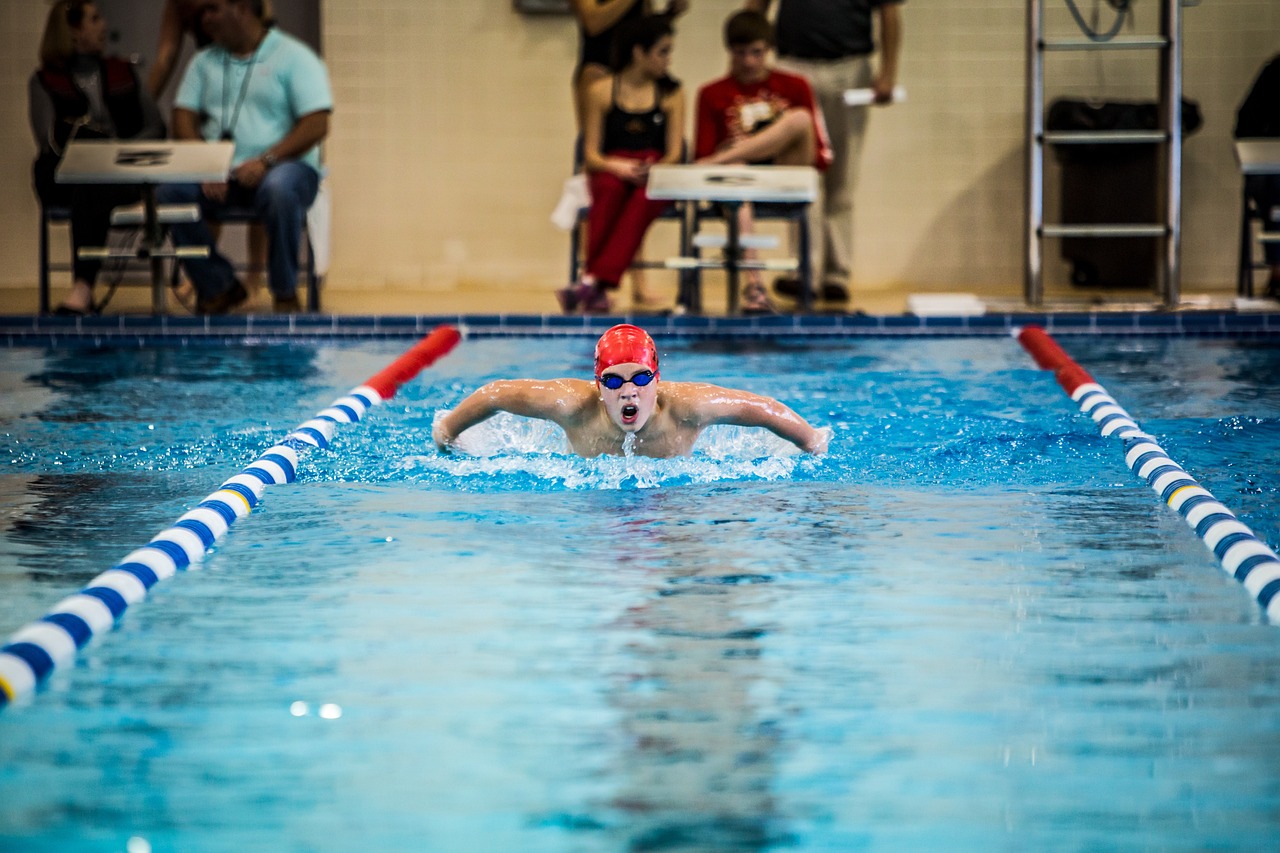
The butterfly stroke is a challenging but rewarding swim technique, often admired for its grace and power. Mastery of this stroke requires consistent practice and dedication. This technique emphasizes body undulation, coordinated arm movements, and precise breathing. Without effective practice, swimmers may struggle to maintain speed and fluidity. Understanding the fundamentals of the butterfly stroke is essential for success. When executing the stroke, your body should be in a streamlined position. Each arm pull should be powerful and synchronized with your kick. Additionally, proper head positioning during breathing is vital for maintaining momentum. Developing a strong kick is also critical to support your body position in the water. Once you grasp these fundamentals, you can incorporate drills to enhance your skills. Identifying your weak areas will guide your training. Some swimmers may lack proper timing, while others might struggle with their breathing rhythm. Focusing on improving these elements will ultimately refine your butterfly stroke. Consistent application of effective drills will lead to impressive progress and greater efficiency in the water. Through dedication, anyone can excel at butterfly swimming.
Implementing dedicated drills is paramount in mastering the butterfly stroke. Some of the most beneficial drills include the “body dolphin” which helps synchronize your undulation with kicks and arm movements. Start in a streamlined position, ensuring that your head remains in line with your body. Perform dolphin kicks without using your arms while focusing completely on your core and hip movements. This exercise accentuates the rhythm essential for butterfly. Another excellent drill is the “single arm butterfly” where you alternate arms while the other remains extended. This drill aids in developing strength and timing for each stroke. Swimmers can also practice “3-3-3 drills” by performing three strokes with one arm, then three strokes with the opposite arm, and finally three full strokes of butterfly. This drill enhances muscle memory, improving both technique and endurance. Aim to keep your kick consistent and strong throughout each drill to maintain an effective body position. Finally, utilizing fins can further enhance your kick’s power and help comprehensively develop your muscles. Incorporating these drills into your practice routines will undoubtedly speed up your progress on perfecting the butterfly stroke.
Breathing Techniques for Butterfly Stroke
Breathing technique is critical to successful butterfly swimming. Focusing on the proper timing of breaths will make or break your stroke. Swimmers should aim to breathe when their arms are recovering out of the water, synchronizing their inhale with this moment. Timing is everything; if you lift your head too late or too early, it can disrupt your rhythm. A common mistake among swimmers is lifting the head too high, which can cause drag. Instead, keep your head low and maintain eye contact with the water’s surface. This will help in reducing resistance while still allowing enough air intake for effective breathing. Working on breath control drills will significantly improve your efficiency. Try a “3-2-3” exercise, where you perform three strokes of full butterfly, then two strokes while focusing on breathing, and back to three. Focusing on the exhale while your face remains in water can help establish a natural rhythm. With steady practice, you will notice a significant enhancement in your ability to oxygenate while swimming. Being mindful of your breath will allow smoother transitions and enhance your overall technique in butterfly stroke.
The kick is arguably one of the most important aspects of the butterfly stroke, and dedicating time to improving it is essential. A powerful kick affords better streamline and helps propel the swimmer forward. Begin by isolating the kick to ensure that your legs maintain a consistent undulating movement. Utilize a kickboard to focus solely on the kick while keeping the body in a horizontal position. Ensure that the hips initiate the kick, allowing the motion to flow down to the toes. Combining a strong kick with a proper dolphin motion enhances propulsion. Practicing “vertical kicking” is another effective method; this drill requires straightforward kicks while treading water without any support. It builds muscle strength and improves endurance that translates to the butterfly stroke. The connection between upper and lower body needs to be seamless for optimal performance. As you work on your kicking strength and endurance, continually monitor your hip position. It should remain naturally buoyant to avoid excessive drag. Regularly integrating kick sets in your training will lead to groundbreaking improvements in your swimming speed and technique. Remember, strong kicks are the backbone of a successful butterfly stroke.
Arm Movement Mechanics
Perfecting your arm movements is essential to mastering the butterfly stroke. The arms should move in a circular motion, generating power while maintaining a streamlined position. Focus on initiating the stroke with your hands entering the water slightly in front of your head. A common mistake is letting the arms enter too far forward or not wide enough, leading to inefficiency. Ensure your hands are shoulder-width apart during the pull phase to encompass maximal water. Pay special attention to the “catch” phase, which should feel as though you’re pulling yourself past the water rather than pushing it forward. Improper hand positioning can lead to diminished speed and wasted energy. The recovery phase is equally important; your arms should be relaxed as they come back through the air. Elevate your arms smoothly and keep your elbows higher than hands to avoid unnecessary drag. Drills like “3-2-1 drill” can immensely benefit your arm stroke. This drill incorporates three full strokes, two with alternate arms, and single strokes, reinforcing fluid and effective arm mechanics. By mastering these movements, you’ll greatly improve your overall technique in butterfly swimming.
To track your progress and enhance your butterfly stroke, utilizing video analysis is incredibly valuable. Recording your technique allows you to see common mistakes more clearly and pinpoint areas that require improvement. Observing others can also facilitate learning; watch professional swimmers and analyze their techniques, paying special attention to their body positions and movements. Utilize platforms like YouTube for tutorials and tips from experienced swimmers. Additionally, consider incorporating swim coaching into your training routine. Professional feedback can guide you through your weak spots and offer tailored drills for your improvement. Consistent assessments of your performance can enable you to track improvements and measure your efficiency better. Keep a training diary to log your personal bests, note techniques you have practiced, and outline future aims. Sharing your experience with fellow swimmers in workshops can also enrich your learning. Participate in swim clinics to deepen your knowledge of the stroke. With continuous feedback, dedicated practice, and an openness to learn, refining your butterfly stroke becomes possible. In due time, you will not only become more proficient but also develop a love for this beautiful and unique swimming stroke.
Conclusion
In conclusion, mastering the butterfly stroke involves focus on crucial aspects that contribute to success in the water. Drills targeting kicks, arms, breath control, and body movements are pivotal in cultivating a smooth and efficient stroke. By regularly incorporating these training techniques, swimmers can enhance their performance and tear through the water with grace and speed. It requires commitment and consistency to see significant progress. Always remember to analyze your technique and seek feedback for a better understanding of your strengths and weaknesses. Progression in the butterfly stroke will not happen overnight, but with time, dedication, and the right methods, vivid improvements can be made. Connecting with swim coaches or joining swim clubs can enhance your journey, offering invaluable insights and motivation. Swimming is not just about speed but also enjoying the flow of water and achieving personal goals. Celebrate your milestones, regardless of their size, as every improvement fosters growth in your swimming journey. Ultimately, the key to mastering the butterfly stroke is embracing both the challenges and joys of the learning process, allowing for mastery to naturally evolve.