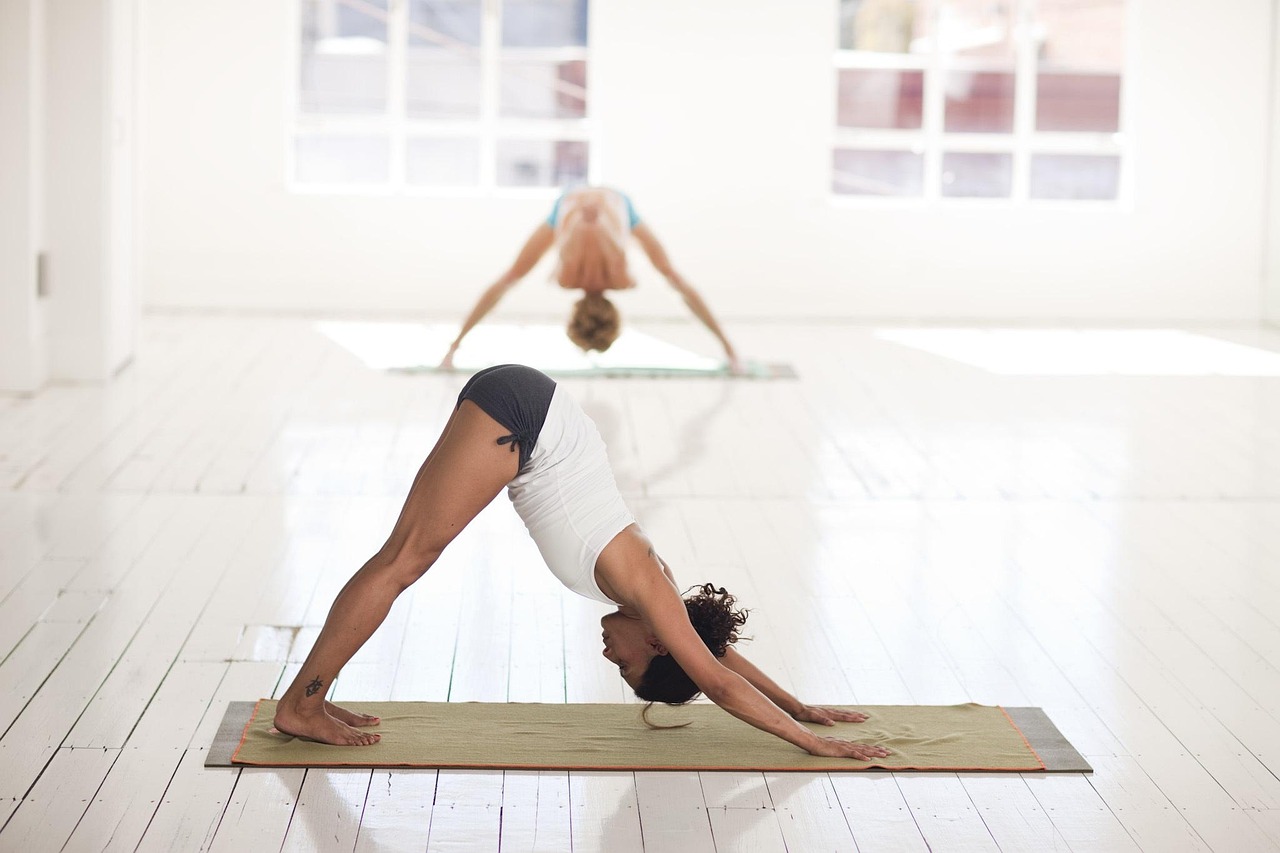

Interval Training and Flexibility: Striking the Perfect Balance
High-Intensity Interval Training (HIIT) is a powerful workout modality that not only maximizes calorie burning but also enhances athletic performance. Comprising short bursts of intense exercise followed by periods of rest, HIIT allows participants to work at their maximum effort. However, it’s essential not to overlook the importance of flexibility as a complementary aspect of overall fitness. Many athletes focus solely on strength and endurance but neglect stretching, which can impair performance and increase injury risk. Incorporating flexibility into your HIIT routine ensures that your muscles remain pliable and can recover more effectively after intense workouts. Through stretching, you enhance muscle elasticity and joint mobility, contributing to a more fluid range of motion. Additionally, improved flexibility aids in quicker recovery times after workouts, allowing you to return to exercising at an optimal level. Combined, HIIT and flexibility training provide a comprehensive training approach that nurtures both strength and mobility. Thus, striking a balance between these training methods will yield better results in your overall fitness journey, making them essential components of any effective workout regimen.
Flexibility exercises should be seamlessly integrated into your HIIT sessions rather than being treated as an afterthought. Doing so reinforces the muscle recovery processes and enhances overall performance. Consider including dynamic stretches as a warm-up and static stretches during cool-down phases in your workout. Dynamic stretches, such as leg swings or walking lunges, prepare your muscles for the intensity of HIIT workouts, warming them up while improving range of motion. After completing the high-intensity intervals, static stretching helps alleviate muscle tightness and restore the muscle fibers to their original length and relaxation state. Some excellent static stretching exercises for HIIT enthusiasts include hamstring stretches, quadriceps stretches, and upper body stretches to release tension from intense lower and upper body workouts. Practicing these stretches can help achieve optimal performance during high-intensity intervals while also significantly reducing post-exercise soreness. Thus, balancing HIIT and flexibility routines enhances your training, promoting not just performance but long-term muscular health. Make a habit of adding these elements into every session to cultivate a well-rounded training regimen that supports your fitness goals.
Benefits of Flexibility in HIIT Training
One major advantage of incorporating flexibility into HIIT training is injury prevention. Intensive workouts can cause strains or sprains when proper stretching techniques are ignored. Flexibility enhances muscle balance and coordination, helping reduce the risk of injury during aggressive workouts. Additionally, flexible muscles are less prone to the micro-tears that often lead to soreness, which allows for more consistent training sessions. This is particularly relevant for athletes who engage in high-impact sports that demand explosive power and agility. Moreover, improved flexibility also factors into recovery time between workouts. When muscles are well-stretched, blood circulation increases, enhancing nutrient delivery and waste removal post-exercise. This expedited recovery time ensures that athletes can maintain a rigorous training schedule without compromising performance or risking injury. The synergistic relationship between flexibility and HIIT ultimately leads to a more sustainable and enjoyable workout experience. You will find that the better your flexibility, the more easily you can push through challenging HIIT sessions. This approach will set the stage for consistent gains over the long term as you build a stronger, more resilient body.
To effectively implement flexibility techniques within your HIIT sessions, first assess your current routine. Explore which segments of your workout could benefit the most from added stretching. A well-structured routine might begin with a cardio warm-up followed by dynamic stretches, culminating in your high-intensity intervals. After completing the HIIT workouts, you should conclude with static stretches to increase flexibility and promote muscle recovery. Additionally, consider the timing and intensity of stretching; ensure that dynamic stretches do not exhaust your muscles before intense bouts. Each HIIT workout can incorporate flexibility elements; consider scheduling dedicated flexibility sessions throughout the week. For example, designate specific days solely focused on stretching and mobility drills that complement your regular exercise routine. Yoga or Pilates may also serve as excellent supplements to aid flexibility while helping you maintain core strength. These activities can vastly improve your endurance and performance during HIIT workouts by promoting overall body awareness. Gradually increasing flexibility through consistent stretching leads to more effective and enjoyable HIIT workouts, amplifying your overall fitness journey.
Creating a Balanced Routine
A well-rounded workout plan that marries HIIT and flexibility exercises can be easily crafted for individuals of all fitness levels. Beginners might consider starting with basic stretches and shorter HIIT intervals while gradually adjusting the intensity as their flexibility and conditioning improve. Focusing on larger muscle groups such as hamstrings, quads, and shoulders is essential to establish foundational mobility, leading to success in higher-impact workouts. You can structure your weekly routine to include three days of HIIT training, complemented by two days dedicated to flexibility work. This balanced approach ensures that you are challenging your body while also equipping it with the flexibility required for optimal performance. As you progress, gradually increase the duration or intensity of your HIIT intervals while ensuring your flexibility regimen remains a priority. You might find it beneficial to track your progress, noting improvements in both your HIIT workouts and stretching sessions. Consistency across various aspects of your training ultimately aids in producing substantial improvements in performance, muscular recovery, and overall fitness outcomes.
Integrating cross-training into your fitness regimen is another way to enhance the balance between HIIT and flexibility. Engaging in different workouts, such as swimming or cycling, can help cultivate muscle groups that may otherwise be neglected during HIIT sessions. These activities will simultaneously promote cardiovascular endurance while offering alternative forms of muscle engagement that benefit flexibility. Furthermore, incorporating activities such as dance or martial arts can also effectively boost flexibility. Consider attending classes in these disciplines to widen your movement repertoire and challenge your body in new ways. Cross-training sessions enable your muscles to adapt while promoting overall flexibility and strength. This variability keeps your workout routine engaging and prevents physical plateaus. Pay attention to your body’s responses and adjust your regimen accordingly to avoid overtraining. By prioritizing a comprehensive mix of HIIT and flexibility workouts, you create a dynamic fitness lifestyle designed to yield long-lasting results. Ultimately, this holistic approach leads to a more robust athletic performance, helping you reach your health and fitness goals efficiently.
Long-term Commitment to Flexibility
Emphasizing flexibility in your routine requires commitment and patience, especially if you are transitioning from a primarily HIIT-focused approach. You will need to dedicate time to gradually improving your flexibility and athletic performance. To maintain motivation, track your progress through app-based fitness trackers or journal your daily workouts, detailing your flexibility milestones alongside your HIIT achievements. Setting achievable goals for flexibility can be effective; list a few specific stretches to master each month to help you remain accountable. Staying consistent and embracing the slow process of becoming more flexible will yield significant benefits for your muscle recovery and overall performance. In addition to dedicating time to specific flexibility training, prioritize listening to your body. If you feel tightness or discomfort, it may signal the need for additional stretching rather than neglect. By building flexibility-focused workouts into your routine, you can cultivate lasting body awareness, enhancing form during HIIT intervals while maintaining overall health. Thus, the journey of enhancing flexibility becomes an enriching aspect of your fitness story, leading to more fulfilling workouts and healthier lifestyle changes.
In conclusion, embracing the balance between HIIT and flexibility is crucial for optimizing fitness outcomes and promoting long-lasting health benefits. Engaging in high-intensity interval training can significantly improve your cardiovascular fitness, strength, and endurance. However, neglecting flexibility can lead to a host of issues such as injuries and inadequate muscle recovery, impacting your overall performance. By implementing dynamic stretching before workouts and static stretching afterward, you not only enhance your flexibility but also lay the foundation for consistent training success. Moreover, integrating cross-training elements further diversifies your regimen,ensuring your body is challenged and adaptable. Now is the time to assess your training schedules and establish a sustainable balance that includes HIIT, flexibility, and cross-training. The dual focus on these two aspects of fitness fosters healthy habits leading to more enriching workout experiences. Ultimately, making room for flexibility within your routine creates well-rounded athletes equipped to tackle various fitness challenges efficiently. Thus, as you continue your fitness journey, remember the invaluable power of flexibility and how it intertwines with the intensity you bring to your workouts.