
How to Prevent Injuries While Weightlifting
Weightlifting can be an excellent way to build strength, but safety must always be a priority. To prevent injuries, ensuring a proper warm-up routine is crucial. This should include dynamic stretches that activate the muscles you’ll use during your workout. These stretching techniques increase blood flow, reduce muscle stiffness, and prepare your body for intense lifting. Also, focus on exercises that mimic the upcoming movements, gradually increasing their intensity. Another important aspect is the use of proper lifting techniques. Always maintain a neutral spine and avoid using momentum to lift weights. Master the correct form for each exercise to reduce strain on your body. Furthermore, consider your limits and avoid pushing yourself beyond what you can handle. Start with lighter weights and build your way up. Additionally, monitoring your body for any signs of fatigue or discomfort can prevent injurious situations. Always prioritize recovery by allowing adequate rest between workouts and focusing on sleep. This holistic approach to safety enables a more sustainable weightlifting journey that ensures long-term health and performance.
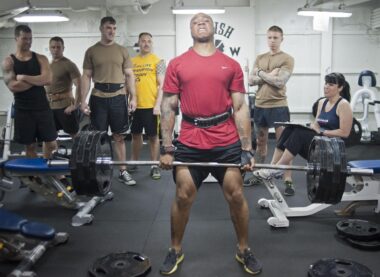
Another important aspect of weightlifting safety is employing appropriate equipment. Weightlifting belts, knee sleeves, and wrist wraps can provide additional support and stability. For instance, lifting belts help maintain proper posture, thereby reducing the risk of back injuries. Correct footwear is equally imperative; choose shoes designed specifically for weightlifting. These shoes provide stability, traction, and support, enabling athletes to maintain balance during lifts. Weightlifting shoes typically have solid soles that ensure proper force transfer. A common yet often overlooked safety measure is to train in a well-structured environment, ensuring sufficient space and an organized area for lifting. Remove any obstacles and clutter to minimize the risk of tripping or falling. Furthermore, consider having a spotter when attempting heavier lifts. A spotter can provide not just physical assistance but also psychological support, creating an environment in which you can push your limits safely. Remember that lifting should never be performed in isolation; always communicate with trainers or experienced lifters. Seeking advice or guidance can offer valuable insight into best practices, further enhancing your safety protocol during weightlifting.
Strengthen Your Core
Building a strong core is another effective method to prevent injuries while weightlifting. Your core muscles provide stability, enabling you to lift weights more effectively and safely. Incorporating exercises like planks, bridges, and abdominal workouts into your routine can enhance core strength. A strong core can minimize the risk of back injuries and maintain proper posture during lifting. Additionally, engaging your core before lifting can help establish a solid foundation. Remember to breathe correctly while lifting; exhaling during exertion allows for maximum force production. In contrast, inhaling while lowering can help maintain stability. Proper breathing techniques contribute to overall performance and reduce the likelihood of strain. Furthermore, ensure that each repetition is performed with care and mindfulness. Avoid rushing through your sets; focus on controlled movements that enhance technique. In addition, consider periodization in your training regimens. Structured phases of training can help balance intensity and encourage recovery, thus preventing overtraining. Always listen to your body; if you feel fatigued, take a rest day instead of pressing forward, ensuring long-term safety and wellbeing.
Stay hydrated while engaging in weightlifting for optimal performance and safety. Dehydration can lead to fatigue and increase the risk of injuries. Drink water before, during, and after your workout to keep your body functioning effectively. The body loses fluids through sweat and breath during intense workouts, so replenishment is crucial for maintaining strength levels and focus. Additionally, monitor your nutrition, as a well-balanced diet supports growth and recovery. Protein is essential in muscle repair, while carbohydrates provide energy for lifting sessions. Including antioxidants, vitamins, and minerals in your diet can also boost overall health and immune function. Understand that rest and recovery time is just as important as exercise itself; muscles need adequate downtime to repair and grow stronger. Sleep plays a significant role in this process, so prioritize getting enough sleep every night. Over time, a combination of these factors contributes to better weightlifting outcomes while keeping you safe. Always be proactive about injury prevention by educating yourself about your limitations and implementing safety practices into your routine to enjoy the benefits of weightlifting.
Utilize Professional Guidance
Engaging with a professional trainer can offer personalized insights into lifting techniques and safety precautions tailored to your needs. Trainers can assess your form and identify weaknesses or imbalances that may lead to injury. This feedback allows for corrective exercises aimed at strengthening these areas. Additionally, having a trainer helps you stay accountable for your training routine. They can motivate you to maintain your workout intensity while ensuring safety protocols are adhered to. Community fitness classes can also provide a supportive environment for novices, reinforcing the importance of proper techniques in group settings. Being part of a community can strengthen commitment to safe lifting practices. Whether in-person or online, utilizing resources such as instructional videos or articles can enhance your knowledge about weightlifting safety. Staying informed about new techniques and safety guidelines is crucial for anyone looking to weigh lift progress safely. Furthermore, cross-training can complement your weightlifting endeavors; incorporating activities like yoga or Pilates can improve flexibility and core strength, further contributing to injury prevention while reinforcing a holistic approach to fitness.
Listening to your body is paramount in avoiding injuries. Acknowledge any signs of discomfort, pain, or fatigue during your workouts, and modify your training accordingly. Ignoring these cues can lead to serious injuries that derail your progress and fitness journey. Each person’s body responds differently to stress, so pay attention to your unique profile. Taking regular breaks during workouts can also mitigate fatigue and overexertion. This approach helps maintain focus and technique during lifting. Additionally, consider implementing deload weeks in your training program to allow your body to recover fully. During these weeks, reduce the weight or volume of training to help prevent burnout. Moreover, evaluate your training goals and ensure they align with your current fitness level. Setting realistic expectations creates a balanced approach to achieving more gradual and safe progress. Always acknowledge that there will be ups and downs in your fitness journey; patience is crucial. Remember that safety should always take precedence over lifting heavier weights. By adopting a conscientious attitude toward training, you’ll minimize the risk of injuries while fostering a sustainable and successful weightlifting experience.
Conclusion
By embracing these safety guidelines, you can enjoy a fulfilling and injury-free weightlifting experience. Prioritize warming up and cooling down to maintain flexibility and prevent strains. Focus on proper technique and consider engaging with professional trainers or community classes for further support. These practices help build a strong foundation in weightlifting while mitigating injury risks. Familiarize yourself with your limits and prevent overtraining; listening to your body is crucial for avoiding setbacks. Stay hydrated and maintain a balanced diet to support overall performance. This approach enhances your ability to lift weights safely while promoting recovery. Practicing core-strengthening exercises and incorporating strategic breaks during workouts can further ensure your wellbeing. Each lifting session should be viewed not just as a workout, but as an opportunity to foster strength and resilience. Reflecting on your training journey can motivate habitual learning and a proactive approach to safety, leading to lifelong benefits. Commitment to these guidelines will encourage not just physical enhancements but also a well-rounded perspective on health and fitness, ensuring that your weightlifting journey remains fruitful.
Weightlifting can be an excellent way to build strength, but safety must always be a priority. To prevent injuries, ensuring a proper warm-up routine is crucial. This should include dynamic stretches that activate the muscles you’ll use during your workout. These stretching techniques increase blood flow, reduce muscle stiffness, and prepare your body for intense lifting. Also, focus on exercises that mimic the upcoming movements, gradually increasing their intensity. Another important aspect is the use of proper lifting techniques. Always maintain a neutral spine and avoid using momentum to lift weights. Master the correct form for each exercise to reduce strain on your body. Furthermore, consider your limits and avoid pushing yourself beyond what you can handle. Start with lighter weights and build your way up. Additionally, monitoring your body for any signs of fatigue or discomfort can prevent injurious situations. Always prioritize recovery by allowing adequate rest between workouts and focusing on sleep. This holistic approach to safety enables a more sustainable weightlifting journey that ensures long-term health and performance.