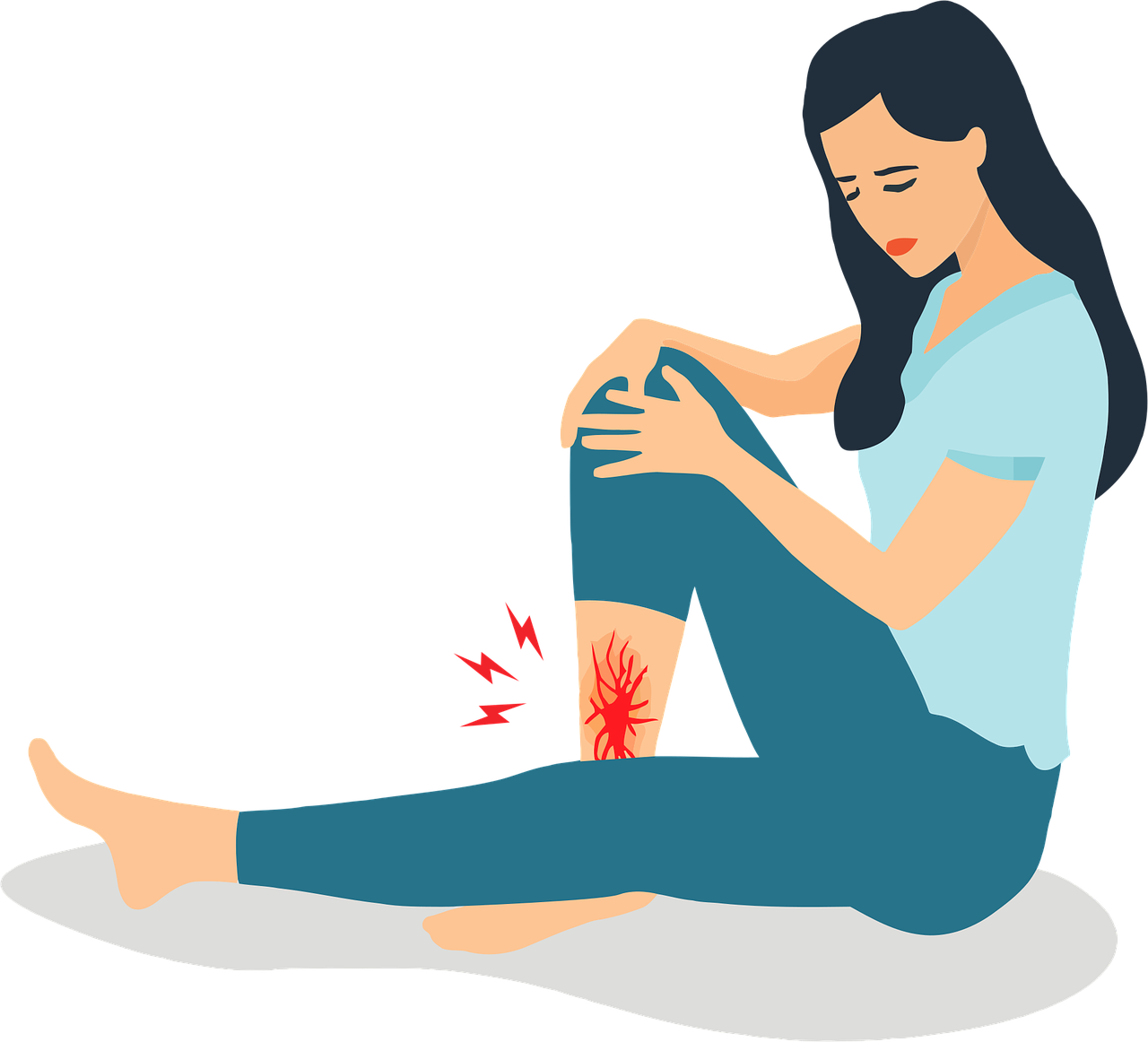

The Impact of Overuse Injuries on Tendon Health
Overuse injuries are a common issue among athletes and individuals who engage in repetitive motions. This type of injury often leads to tendonitis, a painful inflammation of the tendons, which can significantly affect one’s daily life. Tendonitis occurs when the tendons become irritated and inflamed due to excessive strain, typically from movements performed with insufficient rest. Understanding the implications of these injuries is crucial for effective treatment and prevention. Various factors contribute to tendon overuse, including improper biomechanics, inadequate warm-up, and lack of conditioning. Additionally, environmental conditions like hard surfaces may aggravate symptoms. It is essential to recognize the early warning signs of tendonitis, which may include a dull ache in the affected area, stiffness, and swelling. Individuals must not ignore these symptoms, as neglect can lead to chronic conditions requiring longer recovery times. Treatment typically involves rest, ice therapy, compression, and elevation. In cases where conservative measures fail, medical interventions like corticosteroid injections or surgical options may become necessary. This article will delve deeper into the prevention strategies and treatment options available to manage tendonitis effectively.
Understanding tendonitis is vital when discussing overuse injuries, as it plays a significant role in many sports-related activities. Physical activities that involve repetitive motions, such as running, cycling, or tennis, place a considerable strain on particular tendons in the body. The Achilles tendon, located at the back of the ankle, and the tendons in the shoulder are common areas affected by overuse. Ignoring the signs of potential tendonitis can lead to severe, long-term detriments if left untreated. Thus, proactive care and understanding can mitigate risks and improve recovery outcomes. Proper conditioning and strength training can fortify muscles and tendons, effectively lowering injury risks. For instance, incorporating flexibility exercises can help reduce tension in key areas while promoting overall joint health. Additionally, employing various techniques during physical activities, such as ensuring proper form and pacing oneself, is critical in preventing tendonitis. Should injuries occur, a well-structured recovery program involving physical therapy might accelerate healing. Thus, taking an informed approach toward understanding and managing tendonitis can significantly enhance performance and overall wellness in athletes and active individuals alike.
Key Symptoms and Diagnosing Tendonitis
Recognizing tendonitis symptoms is essential for timely intervention and treatment. The most common signs of tendonitis include persistent pain around the affected joint, swelling, and stiffness. Pain often exacerbates during specific movements or when pressure is applied to the injured area. Furthermore, some individuals may experience a sensation of warmth at the site of tenderness, indicating inflammation. Diagnosing tendonitis usually involves a combination of physical examination and medical history assessment. Physicians may inquire about the activities that provoke pain and the duration of symptoms to gather comprehensive information. Advanced diagnostic methods, such as ultrasound or MRI, may be utilized to evaluate the extent of tendon damage. Early diagnosis significantly influences recovery trajectories, as timely treatment can ease discomfort and restore function more efficiently. Following diagnosis, healthcare providers will typically prescribe a tailored treatment strategy based on individual cases and the severity of the condition. Additionally, taking the time to rest the affected area can foster healing. Addressing tendonitis early can prevent future complications or further injuries.
Prevention entails a combination of strategies aimed at reducing the likelihood of developing tendonitis. First, engaging in a proper warm-up routine before workouts is crucial. This not only prepares the muscles for intense activity but also promotes overall flexibility. Additionally, incorporating strength training can enhance muscle endurance, making them better equipped to handle stress. Between different activities, individuals should allow adequate recovery time to facilitate healing and adjust muscles to the workload. Cross-training can also minimize overuse by involving various muscle groups while providing a break from repetitive movements. Furthermore, individuals should pay close attention to their body’s signals. If a particular exercise causes discomfort, it is paramount to re-evaluate the intensity and technique. Utilizing ergonomic equipment can reduce strain on vulnerable tendons, particularly in sports and work contexts. Furthermore, wearing proper footwear aligns with preventing injuries caused by inadequate support. Finally, maintaining hydration and proper nutrition is vital for overall tendon health, contributing to optimal performance during physical activities. By employing these methods, individuals significantly reduce the risk of tendonitis and enhance their overall fitness journey.
Treatment Options and Rehabilitation
Treatment for tendonitis generally follows a comprehensive and phased approach tailored to the individual’s symptoms and severity level. The first line of treatment usually includes the RICE method—rest, ice, compression, and elevation—to minimize inflammation. Over-the-counter anti-inflammatory medications may help alleviate swelling and pain. If pain persists, a physical therapist may design a rehabilitation program to strengthen the surrounding muscles and improve flexibility. Exercises focused on eccentric loading can be particularly effective for tendon recovery. Some individuals may also benefit from ultrasound therapy or shockwave therapy to stimulate healing. In cases of severe tendonitis, corticosteroid injections could provide temporary relief. When conservative treatments fail, surgical intervention may be the last resort to repair any torn tissues within the tendon. After surgery, a structured rehabilitation plan should be established to regain mobility and strength. Establishing trust in one’s healthcare provider can improve adherence to treatment recommendations, as emotions can influence recovery outcomes. Overall, patients must remain patient and committed to their rehabilitation plans for successful healing.
Understanding the stages of tendonitis recovery offers valuable insight into the healing process. The recovery timeline may vary significantly among individuals, influenced by factors such as age, overall health, and the injury’s severity. Generally, the recovery may be classified into three stages: acute, subacute, and chronic. During the acute stage, symptoms typically include inflammation and pain. This period emphasizes rest and the application of ice to reduce swelling. Moving into the subacute phase, individuals may begin gentle rehabilitation exercises aimed at restoring flexibility and strength. In this stage, caution is advised to prevent re-injury. Lastly, when individuals reach the chronic stage, persistent pain may still be present, necessitating a comprehensive evaluation. Throughout recovery, individuals must remain committed to their rehabilitation strategy while actively participating in their healing journey. Setting realistic goals and maintaining a positive mindset can greatly assist during this process. Notably, each stage may require adjustments to the treatment protocol, underscoring the importance of ongoing communication with healthcare professionals. With time, effort, and detailed attention to one’s body, achieving full recovery from tendonitis is indeed possible.
Long-term Tendon Care
Once recovery from tendonitis is achieved, ongoing care is essential to maintain tendon health and prevent future injuries. Continuous monitoring of any discomfort or tightness should become part of an active lifestyle. This can involve a daily routine of stretching exercises and warm-ups before physical activities. Adopting cross-training techniques ensures an even distribution of stress across various tendons, thereby minimizing risks. Additionally, practicing active recovery days, where one engages in low-impact exercises, can aid in restoring flexibility without excessive strain. Individuals should prioritize education on proper techniques and equipment choices related to their activities. Additionally, regular consultations with a healthcare provider can identify potential issues before they escalate. Participation in workshops or classes focusing on injury prevention strategies is also a proactive approach to long-term tendon health. Furthermore, individuals should adhere to heart-healthy dietary practices, as nutrition plays a significant role in recovery and muscle maintenance. Self-care indeed extends beyond the acute injury phase. Recognizing the importance of longevity in tendon health through consistent practices can enhance both athletic performance and overall quality of life.
In conclusion, understanding tendonitis and its treatment is integral to managing overuse injuries effectively. Education on symptoms, prevention methods, and rehabilitation plans proves invaluable in achieving successful outcomes. By prioritizing tendon health through proper conditioning, regular assessments, and self-awareness, individuals are better equipped to navigate their physical challenges. The impact of overuse injuries on tendon health should not be underestimated, as their effects can resonate beyond the athletic realm. For many, tendonitis may not only hinder performance but also affect daily living. Thus, individuals must take a proactive approach, engaging in practices that optimize tendon health long-term. Collaborating with healthcare professionals fosters better communication and personalized treatment strategies tailored to individual needs. Ultimately, achieving harmony between activity levels and proper care yields the best results in preventing tendonitis. As this comprehensive approach to tendon health is adopted, individuals can enjoy a more fulfilling and active lifestyle free from the burdens of pain and injury, cementing the importance of knowledge and vigilance in managing this prevalent condition.