The Cultural Roots of Zumba Dance Fitness
Zumba Dance Fitness is a vibrant and exhilarating workout combining dance and fitness, originating from Colombia in the 1990s. It merges Latin rhythms with various dance styles for a complete body workout. The creation of Zumba can be attributed to Alberto ‘Beto’ Perez, a fitness instructor who incorporated his passion for salsa and other Latin music into traditional aerobics. This fusion quickly transformed the landscape of fitness classes by making the experience enjoyable rather than solely a physical challenge. The essence of Zumba lies in its cultural significance, drawing influences from the Caribbean, a region where dance plays a central role in social interactions and celebrations. The infectious beats and enthusiastic movements of Zumba reflect the historical context of dance in Latin culture. Nowadays, Zumba has evolved into numerous formats, including Aqua Zumba, Zumba Gold, and Zumba Toning, accommodating participants of all ages and fitness levels. With its roots steeped in cultural expression, Zumba encourages not just physical fitness, but community engagement and cultural appreciation, making it much more than just another exercise program.
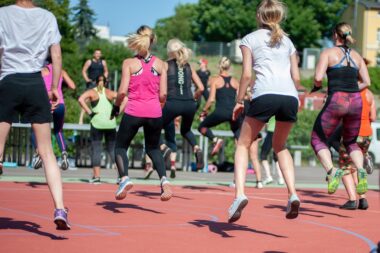
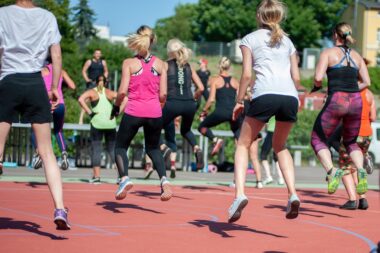
The importance of community in Zumba classes cannot be overstated. Zumba creates a social environment that encourages participants to build connections, friendships, and support networks. When people engage in group fitness activities, they often feel a sense of belonging and shared purpose. Many Zumba participants report that the relationships formed during classes significantly enhance their motivation to attend regularly. Furthermore, the upbeat music and dynamic movements foster an atmosphere of joy and celebration, making workouts feel less like a chore and more like a fun gathering. In many ways, Zumba acts as a bridge connecting individuals from diverse cultures and backgrounds, united by a love for movement and music. The social aspect of Zumba can also serve as a vital tool for mental wellness, helping participants alleviate stress and anxiety through joyous interactions and physical activity. This communal experience has led to the rise of Zumba events, workshops, and festivals worldwide, which further celebrate the cultural roots of dance and fitness together. The impact of Zumba extends beyond personal fitness, promoting friendships and shared experiences that enrich lives.
The Evolution of Zumba’s Global Influence
Since its inception, Zumba has rapidly gained popularity on a global scale, evolving from a local phenomenon in Colombia to an international fitness movement. This widespread embrace of Zumba can be attributed to its fun and engaging group workout format, appealing to individuals who may not enjoy traditional exercise routines. Through effective marketing strategies and the power of social media, Zumba instructors and enthusiasts have shared their passion, elevating Zumba into a global fitness brand. As Zumba found its footing in diverse cultures around the world, it adapted to reflect local tastes and traditions. Instructors have creatively infused local dance styles into classes, making each session unique and culturally relevant. For instance, instructors in Brazil might incorporate samba rhythms, while those in the United States may blend elements of hip-hop. This adaptability has contributed to Zumba’s growth, providing a platform for participants to explore different cultures while getting fit. With more than 15 million individuals taking classes worldwide, Zumba continues to make a lasting impact on fitness, health, and cultural exchange.
The music is an integral part of Zumba, driving the energy and enthusiasm within the classes. The selection includes a diverse array of international music genres, including salsa, merengue, reggaeton, hip-hop, and cumbia. Each track is chosen not only for its ability to get participants moving but also for its cultural significance. By incorporating music from different parts of the world, Zumba fosters cultural awareness and appreciation, showcasing the universality of dance as a means of expression. Participants find themselves immersed in a musical journey that transcends borders, creating a sense of global unity. In addition to the music, the choreography often reflects the movements associated with specific cultural dances, encouraging participants to learn about those traditions while engaging in physical fitness. This dual focus on enjoyment and education enriches the overall Zumba experience. For many, this connection to music and culture keeps classes fresh and exciting, inspiring them to return repeatedly. As they dance to infectious tunes and rhythmic beats, they are transported to different cultures, making fitness a delightful journey rather than just a goal.
Health Benefits of Zumba
Zumba Dance Fitness not only offers an enjoyable experience but also provides numerous health benefits, making it an excellent choice for individuals seeking to improve their physical health. Engaging in Zumba can lead to improved cardiovascular fitness, increased flexibility, and enhanced overall stamina. The combination of aerobic exercise and vigorous dance movements activates various muscle groups, ensuring a well-rounded workout. One of the most appealing aspects of Zumba is its accessibility, allowing participants of all fitness levels to join in. The format encourages adapting movements to suit individual capabilities, making it an inclusive option for diverse populations. Regularly participating in Zumba can also lead to weight loss and improved muscle tone, contributing to overall physical attractiveness and self-esteem. Moreover, the mental and emotional benefits should not be overlooked; Zumba helps reduce stress while boosting mood and increasing energy. The rhythmic movements and upbeat atmosphere promote a sense of joy and freedom, creating a fulfilling experience for participants. Ultimately, Zumba serves as a holistic approach to fitness, blending exercise, community, culture, and fun into one engaging package.
As Zumba continues to evolve and gain traction within fitness communities, it has also been embraced by healthcare professionals as a tool for rehabilitation and preventive health. Studies have shown the positive effects of dance-based exercises on mental health, promoting emotional well-being through physical activity. Zumba’s exhilarating environment helps participants release endorphins, leading to a happier and healthier mindset. Furthermore, the rhythmic nature of Zumba can improve coordination and balance, especially for older adults, reducing the risk of falls. In addition, structured Zumba classes can accommodate participants dealing with various health conditions, making it a versatile option for promoting lifelong fitness. Instructors often modify routines based on participants’ needs, ensuring everyone can enjoy the benefits of Zumba regardless of their physical abilities. Community-driven Zumba initiatives have emerged in several healthcare environments, allowing patients to engage in fitness while fostering social connections. This proactive approach to health embodies the cultural roots of Zumba, reinforcing its significance in promoting collective health and wellness. As more individuals integrate Zumba into their lives, its influence on physical and mental health will only continue to grow.
Conclusion
In summary, Zumba Dance Fitness represents far more than a mere exercise fad; it is a celebration of cultural roots and community engagement. The vibrancy of Zumba reflects the pluralism of dance and the universal connection through movement. Its music and choreography draw upon rich cultural traditions, enhancing the experience for participants while fostering cultural appreciation. As Zumba grows in popularity and adapts to various cultures, it successfully bridges gaps, uniting people worldwide in the rhythm of dance. The health benefits derived from consistent participation in Zumba offer individuals a fantastic way to stay active while enriching their lives. The enduring popularity of Zumba stands testament to its effectiveness in combining fitness, fun, and cultural awareness. Furthermore, the community-building aspect of Zumba helps forge connections that lead to lasting friendships and improved mental health. As more fitness enthusiasts embrace this innovative program, Zumba continues to thrive as a unique and alternative approach to wellness. The dance fitness movement exemplifies how culture, creativity, and community can merge to create a vibrant lifestyle, inspiring people to get fit together.
Reflecting upon the journey of Zumba highlights the significance of cultural influences in promoting a versatile fitness program that transcends geographical boundaries. Fueled by its passionate followers and instructors, Zumba thrives on the diversity of its participants, making each class a unique blend of movement and culture. The real challenge lies in keeping the essence of Zumba alive amid its evolution and ensuring the program remains an enjoyable and authentic experience for everyone involved. As Zumba continues to make waves in the fitness industry, it encourages individuals to engage with their cultural roots while enhancing their physical well-being. By embracing this invigorating fitness style, participants learn to connect with their bodies and release stress, all while celebrating rich musical heritages. With its infectious energy, Zumba is not only a workout but also a transformative experience, one that has been embraced globally across diverse communities. The ongoing popularity of Zumba speaks volumes about the need for meaningful workout experiences that cater to both fitness and cultural appreciation. Therefore, it remains essential to champion and support the cultural aspects of Zumba as it evolves into the future.