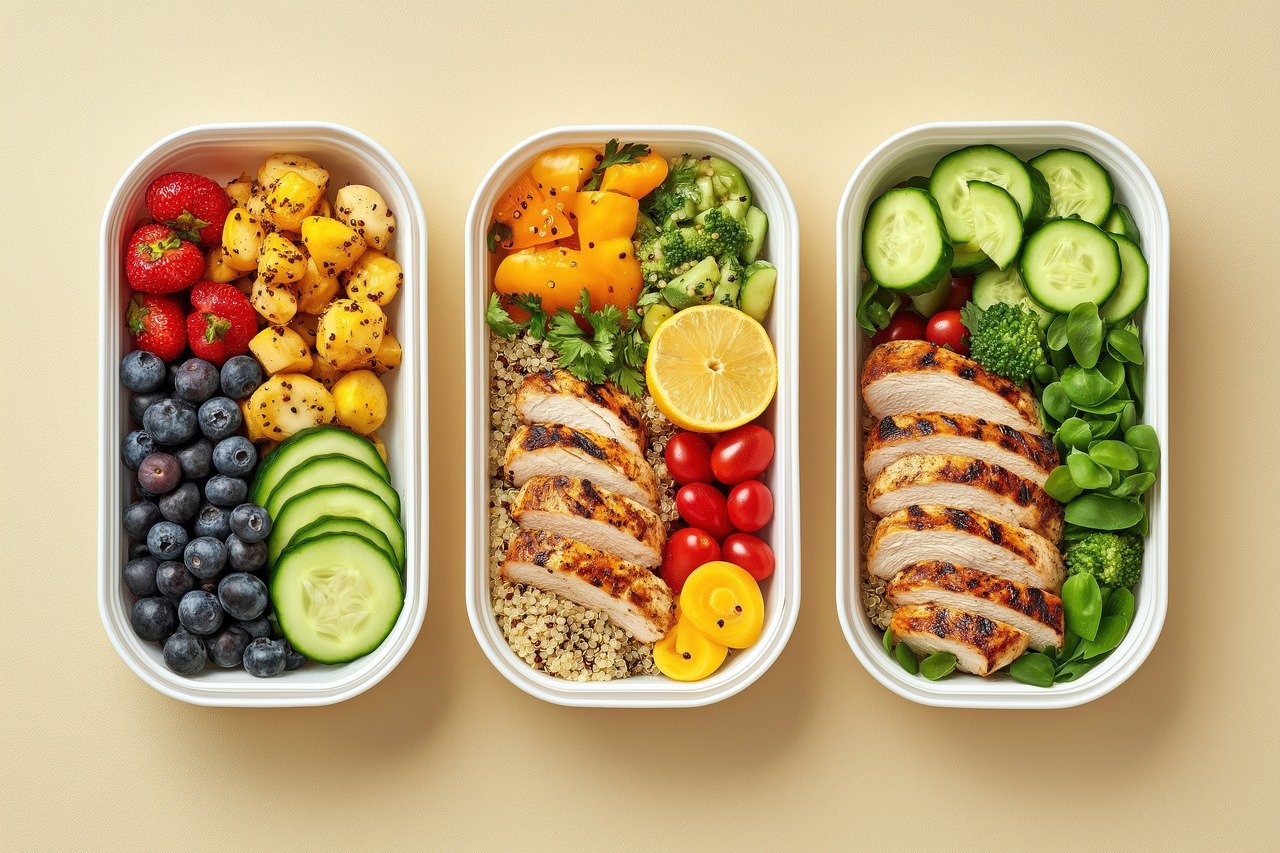

Meal Prep for Pre-Workout: Avoiding Common Mistakes
When it comes to meal prep for pre-workout nutrition, it is crucial to avoid common mistakes that can hinder your performance. Many individuals focus solely on macronutrients, neglecting the importance of timing. A well-planned meal should ideally be consumed 1-3 hours before exercise. This allows for proper digestion and energy utilization during your workout. Additionally, being overly restrictive with food choices can lead to dissatisfaction and poor adherence to nutrition programs. Balance is key: incorporate carbohydrates, proteins, and healthy fats for optimal energy. Another error is failing to experiment with different foods. Each person’s digestive system responds differently, so finding the right combination requires some trial and error. Lastly, not planning for hydration can be detrimental. Dehydration can affect performance, so drink enough water leading up to your workout. Always ensure you have a balanced meal, rich in nutrients, to fuel your activities. Meal prepping allows you to optimize these timings, making it easier to stick to your nutrition goals. With the right approach, you can enhance your energy levels and improve workout efficiency.
Understanding Macronutrient Balance
Before diving into meal prep, it’s essential to understand the macronutrient balance required for effective pre-workout nutrition. Carbohydrates are your primary energy source, fueling high-intensity workouts. Aim for complex carbs, such as whole grains, fruits, and vegetables, as they digest slower, providing sustained energy. Proteins play a crucial role in muscle repair and growth, so include lean sources like chicken, turkey, or plant-based options. Healthy fats should not be overlooked; incorporate sources like avocados, nuts, and olive oil, which help stabilize blood sugar throughout your workout. When preparing your meals, use a combination of these macronutrients to create a diverse and balanced plate. For example, a simple meal could consist of brown rice, grilled chicken, and steamed broccoli. Never underestimate the power of a good meal; it can significantly influence performance, endurance, and recovery. Moreover, monitoring portion sizes is vital to avoid overeating, which could lead to sluggishness during workouts. Consistently aiming for the right ratios not only improves overall health but ensures you are primed for peak performance.
Choose the Right Timing
Timing your pre-workout meals can significantly enhance performance and results. Typically, you should eat a meal about 1-3 hours before working out. Consuming food too close to your exercise can lead to discomfort and digestive issues, while waiting too long can leave you under-fueled. As a rule of thumb, meals lower in fat and fiber are usually easier to digest and quicker to process when you are closer to workout time. Conversely, if your workout is several hours away, a more substantial meal providing adequate carbs and proteins is advisable. Preparing meals ahead of time really aids in meal timing. Cooking and portioning out meals in advance gives you the breathability to adhere to your nutrition plan without the last-minute rush. Also, consider your personal routine; some may prefer a larger meal, while others find smaller snacks to work better. Options like yogurt with fruits or a smoothie can be perfect for closer meal times. Adjusting your meals according to your schedule and preference makes pre-workout nutrition a seamless part of your routine.
Incorporating variety into your pre-workout meals is crucial to maintaining interest and motivation. Consuming the same foods repeatedly can lead to fatigue and boredom, making it easy to fall off track. Create a rotation of your favorite healthy recipes to keep things fresh and exciting. For instance, explore different carbohydrate sources, including quinoa, sweet potatoes, and brown rice, each providing unique flavors and benefits. Vary your protein choices, alternating between animal and plant-based options. This not only introduces different tastes but also diversifies the amino acids you consume, enhancing muscle recovery. Don’t forget to consider how the meals are seasoned and presented; appealing visuals and flavors can make meal prep something to look forward to. Additionally, collaborating with friends or others interested in fitness could inspire new meal ideas and variations. Exploring international cuisines can be a fun way to add variety as well. Maintaining interest in your pre-workout meals will not only improve adherence but also encourage better overall nutrition habits. With creativity and inspiration, you can sustain energy for your workouts effectively.
Proper storage of prepared meals is another key aspect often overlooked. Ensuring your pre-workout meals are stored correctly helps maintain their freshness and safety. Use airtight containers to prevent spoilage and contamination. Label your meals with the date prepared to ensure you consume them within a safe timeframe. If preparing meals for the week, consider freezing some of them to preserve flavor and nutrients. Remember to thaw meals in the refrigerator instead of at room temperature to avoid bacteria growth. Portioning meals can also help with control, allowing you to grab only what you need pre-workout. Moreover, it’s vital to rethink your options when traveling or away from home. Having healthier snack options ready can prevent you from resorting to unhealthy convenience foods. Ideas such as nut butters, energy bars, or fruit can serve as good alternatives while on the go. Staying organized with meal prep directly contributes to how effectively you fuel your workouts, thus enabling a more energetic and motivated you. With planning and practice, you’ll master the art of meal prep for pre-workout nutrition.
Avoiding Overcomplicated Meals
Lastly, simplicity is vital in pre-workout meal preparation; thus, avoiding overly complicated meals is essential. Meal prep doesn’t mean you need gourmet skills or fancy ingredients. Focus on simple, whole foods that offer the nutrients necessary for effective energy and performance enhancement. Quick, easy meals can be highly nutritious and delicious with minimal effort. For example, a smoothie can be made with just a few ingredients like spinach, banana, and protein powder, providing an excellent pre-workout boost in moments. Another straightforward option is a whole grain wrap with turkey and veggies, easily prepared in just minutes. The emphasis should be on convenience without sacrificing nutrition; this will make it easy to stick to your plan consistently. Additionally, employing batch cooking can help streamline processes. Preparing large quantities of basic ingredients at once can reduce cooking time throughout the week. With organized meal components, you can create new dishes quickly on busy days. Strive for efficiency in your preparation effort; simplicity leads to better adherence and overall success in your pre-workout nutrition.
In conclusion, meal prep for pre-workout nutrition is an invaluable practice that contributes significantly to performance. Avoiding common mistakes is essential; these include neglecting hydration, ignoring timing, and over-complicating meals. Prioritize balance, ensuring you incorporate appropriate macronutrients to boost your energy effectively. Additionally, incorporate variety into your meals while maintaining simplicity. Meal prepping can streamline this process, ensuring nutritious options are available when you need them. With proper planning, you can effortlessly consume the right foods to optimize your workout routine and achieve better results. Remember to listen to your body’s needs; every person may require different pre-workout nutrition strategies tailored to their routines and preference. Lastly, have fun with meal prep—it is an opportunity to explore new flavors, recipes, and cooking methods. Taking the time to prep meals thoughtfully will make a noticeable difference in your physical performance and recovery times post-workout. As you implement these strategies, you will gradually notice improved energy levels, endurance, and overall athletic performance. Embrace the art of meal prepping, and fuel your workouts effectively.
In conclusion, meal prep for pre-workout nutrition is an invaluable practice that contributes significantly to performance. Avoiding common mistakes is essential; these include neglecting hydration, ignoring timing, and over-complicating meals. Prioritize balance, ensuring you incorporate appropriate macronutrients to boost your energy effectively. Additionally, incorporate variety into your meals while maintaining simplicity. Meal prepping can streamline this process, ensuring nutritious options are available when you need them. With proper planning, you can effortlessly consume the right foods to optimize your workout routine and achieve better results. Remember to listen to your body’s needs; every person may require different pre-workout nutrition strategies tailored to their routines and preference. Lastly, have fun with meal prep—it is an opportunity to explore new flavors, recipes, and cooking methods. Taking the time to prep meals thoughtfully will make a noticeable difference in your physical performance and recovery times post-workout. As you implement these strategies, you will gradually notice improved energy levels, endurance, and overall athletic performance. Embrace the art of meal prepping, and fuel your workouts effectively.