Designing Inclusive Community Fitness Events for Chronic Disease Awareness
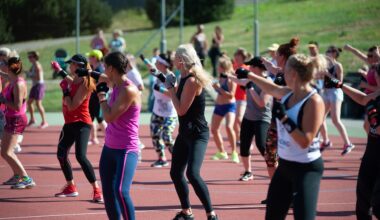
Creating fitness events that address chronic disease awareness requires thoughtful planning and community engagement. Goals should focus on inclusivity, accessibility, and education. Engaging community stakeholders, such as healthcare providers, local businesses, and advocates, can establish a solid foundation. Collaborative efforts can ensure that fitness events effectively communicate health information and encourage participation. Providing a variety of activities caters to diverse fitness levels, promoting broader participation. Options could include walking groups, yoga sessions, or team sports. Each activity should be designed to accommodate participants with varying abilities, thus fostering a welcoming environment. It is essential to offer modifications for exercises to empower participants to engage safely. Furthermore, integrating educational workshops can disseminate knowledge about chronic diseases and management strategies. Creating a supportive community atmosphere enhances motivation. Promoting events through local media and social platforms increases visibility and encourages attendance. Community members will feel more inclined to participate when they know the events tackle issues like diabetes and heart disease directly. They will have an opportunity to ask questions and receive guidance from representatives. Overall, these events can create lasting impacts on community health and awareness.
Evaluating Needs and Setting Goals
Effective community fitness events begin with a thorough assessment of local health needs. Identifying prevalent chronic diseases within the community is crucial. Surveys and focus groups can help collect information about demographics, fitness levels, and health concerns. Engaging with local healthcare agencies can provide insights for addressing specific health risks. Involvement from community members aids in designing events that resonate genuinely with potential participants. Setting clear, achievable goals is essential for event success. For instance, a primary objective might be increasing awareness of cardiovascular health. Secondary goals could include encouraging physical activity or promoting healthy lifestyle choices. Events designed with relatable and impactful goals can foster a sense of connection among participants. Awareness and education should extend beyond physical activity alone; nutritional information also plays a substantial role. Partnering with registered dietitians may enhance event quality, making it holistic in approach. Creating informative materials which participants can take home can reinforce learning. Customizing event plans based on feedback allows future initiatives to address community needs better. Ultimately, evaluating local needs paves the way for effective programming addressing chronic disease.
In addition to understanding community needs, accessibility plays a significant role in designing inclusive fitness events. Addressing potential barriers such as transportation, mobility, and financial constraints can broaden participation. For example, selecting centralized locations with ample parking and public transport access ensures all community members can attend. Offering virtual options can include wider audiences too. Similarly, providing resources like equipment and workout spaces at no cost alleviates financial concerns people may have. Creating an environment where everyone feels welcome is vital for long-term success. It’s also essential to consider potential psychological barriers—some individuals may feel intimidated in fitness spaces. Implementing strategies such as friendly group welcomes and supportive peer mentoring can help mitigate this fear. Training staff and volunteers on inclusivity can enhance the overall experience. Their knowledge of chronic diseases helps participants feel comfortable discussing their backgrounds. Additionally, promoting diversity among instructors can also reflect the community’s demographic. Inclusive messaging reinforces diverse participation. Encouraging families to attend ensures that events promote health as a shared value rather than an individual pursuit. Inclusivity fosters lasting community connections, ultimately spurring an ongoing commitment to health.
Incorporating Community Feedback
Seeking feedback from event participants enables continuous improvement in future programming. Implementing surveys before and after events helps gauge overall participant satisfaction while achieving program objectives. Gathering responses regarding the types of activities preferred, perceived accessibility, and knowledge gained allows organizers to enhance future events. Additional insights on timing, duration, and communication modalities can improve outreach and participation. Feedback not only identifies successes but also highlights areas needing adjustments. Encouragement of community engagement will create ongoing conversations about chronic disease awareness. Involving participants ensures that subsequent events resonate with community interests, bolstering their likelihood of attending future initiatives. Creating a space for open dialogue with participants encourages transparency and trust. Additionally, connecting with community leaders fosters a sense of collaboration in addressing local health concerns. Regular updates circulating through community channels help maintain interest while educating attendees about health resources. Utilizing social media platforms enhances communication of successes and stories from events. Encouraging testimonials allows participants to share personal journeys, positively influencing peers considering involvement. Ultimately, incorporating and valuing community feedback fosters a commitment to creating effective, inclusive fitness events.
Marketing and outreach strategies play a crucial role in promoting fitness events that focus on chronic disease awareness. Developing a comprehensive marketing plan ensures that the events reach the largest audience possible. Utilizing social media platforms effectively can spread awareness quickly. Engaging local influencers or community figures helps to amplify messages. Ensuring that marketing materials are visually appealing and culturally relevant captures attention. Creating eye-catching flyers, informational brochures, and engaging social media posts provides vital information and entices participation. Additionally, collaborating with local health providers allows distribution at clinics and hospitals to engage specific target audiences. Using local newsletters and community bulletins can attract interest from diverse demographics. Crafting engaging content while being informative helps spark curiosity among potential participants. Offering incentives such as giveaways or raffles can enhance motivation to participate. Transparency remains essential; communicate clearly regarding what participants can expect during the events. Consistent messaging throughout varied channels reinforces event goals and builds excitement. Creating a countdown or teaser campaign may increase anticipation leading up to the event. Ultimately, well-planned marketing plays a significant role in ensuring the success of community fitness initiatives focused on health awareness.
Collaboration with Local Organizations
Forging partnerships with local organizations strengthens fitness events targeting chronic disease awareness. Collaboration with healthcare providers, local gyms, and health NGOs can leverage valuable resources and insights. Joint efforts bring additional expertise, funding opportunities, and broader outreach potential. For instance, local hospitals might provide educational resources, health screening personnel, or promotional support. Collaborating with local schools can encourage student involvement, fostering a culture of wellness and engagement at a young age. Mutual support among these organizations can boost community motivation, fostering interrelated events. Working with fitness businesses may present opportunities for shared promotional campaigns reaching wider audiences. Community organizations can host free workshops and fitness classes, thereby increasing accessibility. Financially, partnerships may allow for joint funding applications, reducing the individual burden on organizations. Cross-promoting events among partners increases visibility while ensuring cohesive messaging about chronic disease awareness and prevention. Bringing together diverse community stakeholders enriches learning experiences while building relationships. Offering shared goals strengthens the commitment to creating a healthier community. Over time, effective collaboration can enhance event quality and help sustain long-lasting impacts on community health initiatives.
Evaluating the outcomes of community fitness events is critical for assessing their effectiveness. Metrics such as attendance rates, engagement levels, participant feedback, and health outcomes provide a comprehensive picture of success. Tracking changes in community health indicators after events can also gauge long-term impacts. Analyzing data helps discover trends that inform future programming. Regular assessment encourages continuous improvement and adaptation to meet evolving community needs. This may involve refining activities based on participant preferences, thereby increasing enjoyment and retention. Additionally, establishing follow-up programs and resources helps reinforce learned skills and knowledge. Event success isn’t just measured on the day but also in participants’ long-term behaviors. Collaborations with health professionals can aid in creating ongoing health programs or workshops. Celebrating successes and sharing stories can motivate new participants to engage with future initiatives. Recognizing the achievements of community members—whether they achieved fitness milestones or improved health—further promotes a culture of wellness and accountability. Ultimately, well-evaluated events build sustainable programs that empower communities and contribute to chronic disease awareness and prevention.