
Training Traditional Martial Arts at Home: Tips and Techniques
Practicing traditional martial arts at home can be immensely rewarding for both mental and physical well-being. Whether you’re a beginner or an advanced practitioner, it’s essential to create a conducive environment. Start by designating a dedicated space in your home that is free from distractions. Ideally, choose an area with enough room to move freely while practicing various techniques. Enhance your space by ensuring it is well lit and has adequate ventilation, which can boost your focus and comfort. Furthermore, consider adding motivational elements like posters of your favorite martial artists or symbols of your chosen discipline. Establishing a routine is crucial; set aside specific times for training each day or week to develop consistency. You might also want to invest in some basic equipment such as a training mat or fitness gear. These items will not only keep you safe but also facilitate your training regimen, making it more effective. Lastly, consider documenting your progress by keeping a journal to track your training sessions, including goals achieved and areas requiring improvement. This reflection will be valuable for your growth in martial arts.
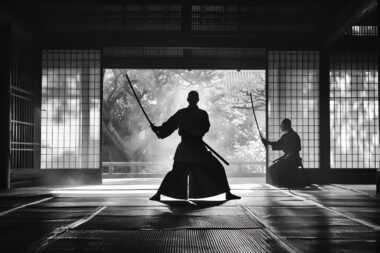
Next, while training at home, it’s important to focus on various fundamental techniques. Begin by reviewing basic stances and footwork essential to your martial art style. Understanding the foundation will help you build more advanced skills over time. Incorporate shadowboxing into your practice to improve your movement and rhythm while allowing yourself to visualize a sparring partner. Strength and conditioning exercises are also vital; these can be done using bodyweight exercises such as push-ups, squats, and lunges. These fundamentals will build your strength and endurance, ultimately enhancing your martial arts performance. If your martial art includes forms or katas, dedicate time to practicing them regularly. Performing these sequences will improve your muscle memory and precision. You can also record yourself practicing to receive feedback on your technique, which will help you identify areas needing improvement. Moreover, consider utilizing online tutorials or virtual classes which can add a structured approach to your training. Connecting with a community online can provide motivation and support. Embrace the flexibility of home training while maintaining discipline and commitment to your martial arts journey.
Creating a Training Plan
To enhance your martial arts skills effectively, developing a structured training plan is essential. Start by establishing clear, achievable goals tailored to your capabilities. For example, you might want to focus on improving your flexibility, power, or techniques. Break your training sessions into focused segments based on these goals. Allocate specific days for skill practice, strength training, and flexibility routines. This balanced approach will ensure comprehensive development over time, making your training efficient and enjoyable. Make sure to incorporate warm-up and cool-down routines at the beginning and end of each session. These are important not just for injury prevention but also for enhancing your performance in techniques. Tracking your progress against your goals can also help you stay motivated and accountable. You can adjust your plan periodically based on your evolving skills and needs. Additionally, include time for recovery and rest to allow your body to heal and strengthen. If you’re honing your techniques, consider mixing traditional forms with modern training methods for a unique approach. This can keep your training fresh and engaging while fostering new skills.
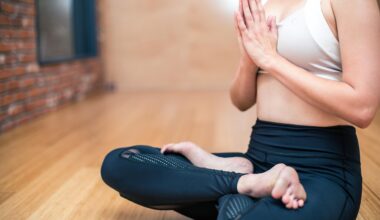
Another critical aspect of training traditional martial arts at home involves fostering mental discipline. Beyond physical conditioning, martial arts requires a strong mental game. Mindset plays a crucial role in your overall performance. Engage in practices such as meditation or visualization techniques to enhance your focus and concentration. Define a pre-training ritual that helps you mentally prepare before each session. This could be a few moments of calm meditation or breathing exercises to center your thoughts. A positive mindset is critical to overcoming challenges, maintaining motivation, and even tackling plateaus you may encounter. Consider studying the philosophical aspects of your martial art as well, which can deepen your appreciation for the discipline. Reading about the history or cultural significance may inspire you and align your mindset with the traditional values of your art. Journaling your thoughts and experiences post-training can aid in reflection and personal growth as well. Seek out books or online resources that discuss these elements. Consistently honing your mental discipline alongside your physical training will enhance your overall martial arts journey.
Partner Training Ideas
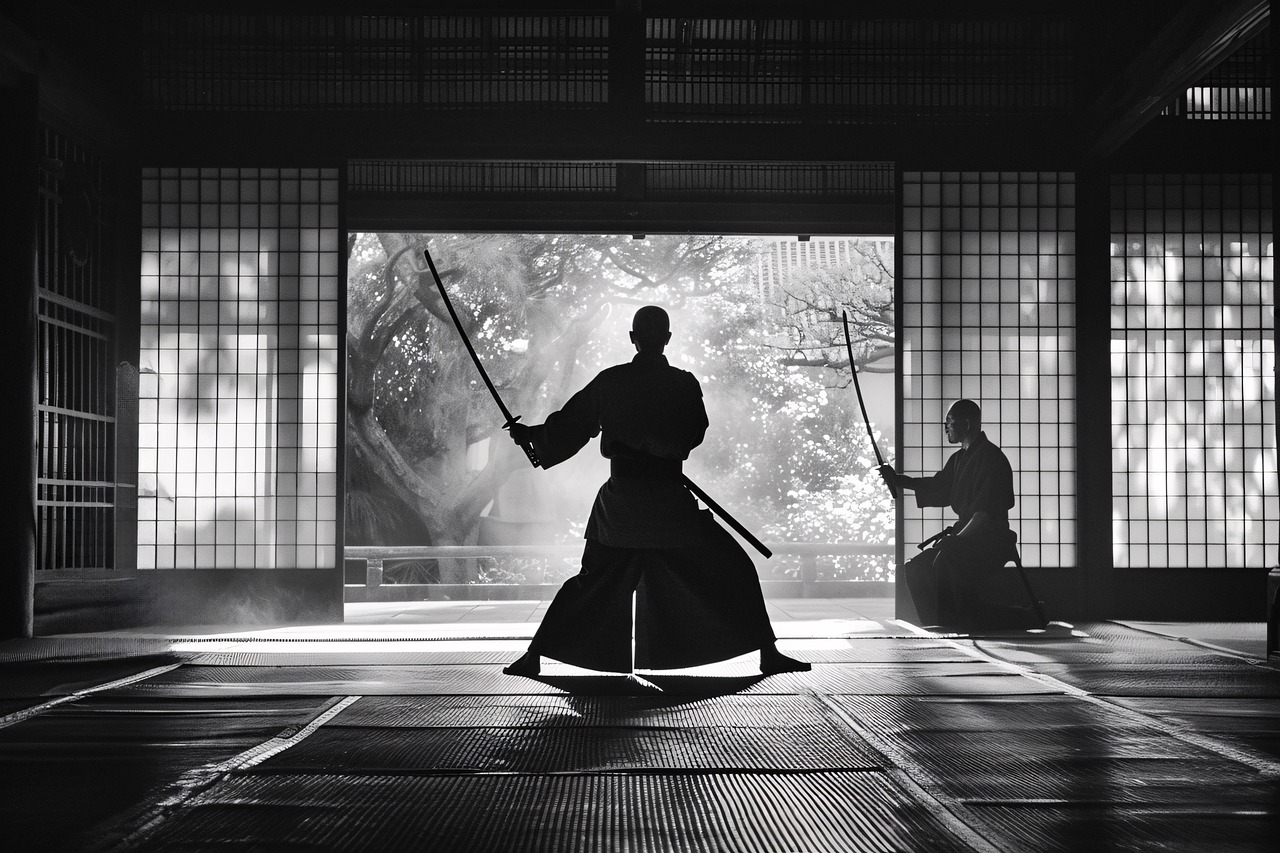
Although training at home often involves solo practice, finding ways to simulate partner training is beneficial. If possible, enlist a family member or friend interested in martial arts to practice techniques with you. This way, you can engage in drills, sparring, or even gameplay scenarios, which add a realistic dimension to your practice. Clear communication with your partner about skill levels and goals is crucial to ensure a safe practice session. Use the available space wisely to perform partnered techniques like throws or grapples. If practicing alone, use a heavy bag for strikes or practice techniques on a soft surface to build confidence. Otherwise, invest in a dummy or grappling partner if your practice includes wrestling. Alternatively, you can utilize technique repetition through tensing and releasing movements without a partner. This helps in understanding timing and distance more efficiently. Additionally, consider joining online workshops or virtual training with friends to keep the learning dynamic and engage in sparring. Keeping your partner training varied will facilitate engagement and motivation while ensuring you practice the essential aspects of martial arts.
Incorporate various training methods to keep your practice enjoyable and effective. Mix traditional training with fitness activities to build strength and agility. Activities like yoga or pilates can significantly enhance flexibility, which is crucial in martial arts. Additionally, cardiovascular exercises such as running or cycling can improve endurance and lung capacity. Engaging in different forms of exercise may help prevent burnout and increase overall fitness levels. Try including interval training to boost explosiveness and speed, two crucial aspects of martial arts. Although routines should focus on martial arts techniques, maintaining a degree of variety in training will help you stay committed and driven. Set personal challenges such as increasing your strike speed, mastering a new technique, or completing a series of drills without rest. This allows for self-assessment and goal setting while creating meaningful, tangible progress. Lastly, nurture a habit of learning from a diverse array of coaching content. This will broaden your training perspective and provide insights that can be invaluable on your journey toward mastery of traditional martial arts.
Staying Motivated and Engaged
Staying motivated during your training journey can prove challenging, especially when practicing alone at home. To combat this, establish a sense of community with peers who share your interests. Consider joining online forums or social media groups dedicated to traditional martial arts. Engaging with others will foster a supportive environment where you can share experiences, ask questions, and gain inspiration. Participate in virtual training sessions or challenge others to friendly competitions. Setting small personal milestones can also keep you engaged. Celebrate achievements, no matter how small, to maintain enthusiasm for your training. Create a reward system where completing training sessions or reaching milestones earns you a treat or privilege. Engaging in learning experiences such as attending seminars or expos when possible can expose you to new ideas and keep your passion ignited. Moreover, documenting your training journey through photos or journal writing will provide a visual representation of your progress, reminding you of the hard work you’ve invested. By continually connecting with your martial arts journey through community engagement and goal setting, you’ll maintain the motivation needed to succeed in your training.
Ultimately, remember that training traditional martial arts at home requires patience and perseverance. Growth in martial arts doesn’t happen overnight, and consistency is key. Acknowledge the challenges you may face, especially when practicing alone, and learn to embrace them. Understand that some days will be easier than others, but maintaining a positive attitude through adversity is part of the journey. Stay dedicated to your goals, whether improving your skills or enhancing physical fitness. Continuously assess your training methods and adapt them when necessary. Being flexible in your approach will allow you to find what works best for you. Don’t forget to seek mentorship or feedback when possible, even if it’s virtual, as a fresh perspective can boost your learning immensely. Consider getting involved in local or regional competitions to test your skills in a different setting. This experience can help you gain valuable insights into your practice. Lastly, enjoy the journey, and remember why you started training in the first place. Embrace the process, celebrate your victories, and continue to challenge yourself in martial arts as it ultimately leads to personal growth and fulfillment.