
The Art of Martial Arts Weapons in Film and Their Fitness Benefits
Throughout cinematic history, martial arts weapons have played a pivotal role in shaping the narrative of martial arts films. These weapons, ranging from nunchaku to katana, not only provide thrilling visual spectacles but also symbolize the rich cultural heritage of their origins. In many films, the use of weapons showcases the character’s skill, discipline, and dedication to their martial art. Movies like “Kill Bill” and “Crouching Tiger, Hidden Dragon” have highlighted the beauty and complexity of weapon training, inviting audiences to appreciate the intricate choreography of martial arts. Moreover, the portrayal of these weapons influences popular perceptions of martial arts, leading to increased interest among fans and practitioners alike. This curiosity drives individuals to learn about historical weaponry and consider martial arts training. As they engage with this content, they discover the underlying fitness benefits that come with mastering weapon techniques, from improved flexibility to enhanced strength. In turn, this pursuit of knowledge not only fosters a deeper appreciation for martial arts but also encourages a lifestyle rooted in physical activity, making it essential for overall well-being.
Martial arts movies often emphasize the importance of weapon mastery, showcasing how film characters accumulate skills over time. The training depicted in these films often mirrors actual martial arts training regimes, emphasizing hard work and perseverance. For instance, the years spent honing weapon skills reflect the dedication required to master a martial art. Each practitioner must engage in physical conditioning, which enhances their overall fitness. Training typically includes exercises to improve strength, endurance, coordination, and flexibility. The repetitive motions of practicing weapon forms can lead to significant health benefits, helping practitioners burn calories and build muscle. Additionally, the focus involved in training with weapons aids mental discipline, which translates into various aspects of life beyond martial arts. This discipline often sets examples for young practitioners, motivating them to pursue fitness not just in martial arts but in their everyday lives. This crossover effect, driven by inspiration from martial arts films, demonstrates how cinematic portrayals help create a cultural context around martial arts. Consequently, individuals are excited to participate in classes and seminars, fostering healthier, more active lifestyles and achieving physical fitness goals through the enjoyment of martial arts.
Popular Martial Arts Weapons in Film
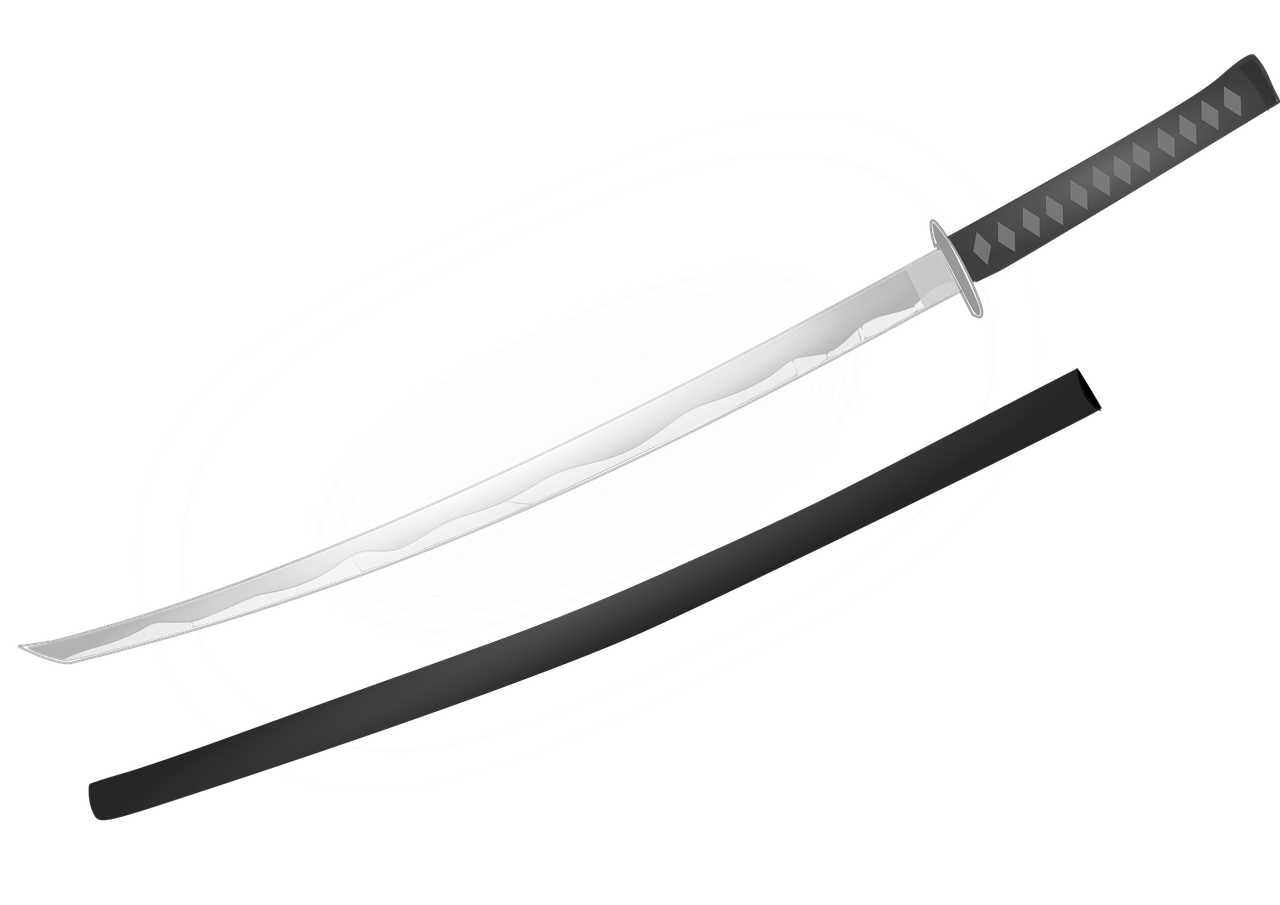
Various martial arts movies emphasize different weapons, each with unique characteristics and cultural significance. Pakua, used in many films, is prominent in kung fu cinema. The film “Drunken Master” showcases the unique techniques associated with this weapon, revealing intricate moves that demand great physical skill and focus. Similarly, the katana, featured in numerous Japanese films, embodies the samurai’s code and dedication to mastering precision cuts. Movies like “The Last Samurai” highlight the beauty and grace of katana techniques while inspiring filmgoers to explore swordplay. The bo staff and sai are also popular martial arts weapons, often appearing in movies such as “Teenage Mutant Ninja Turtles” They represent strength and agility while being highly versatile in martial arts practice. Each of these weapons offers specific benefits to practitioners, including enhanced balance, core strength, and versatility in techniques. By engaging with these weapons in martial arts practice, individuals experience both physical fitness and improved motor skills. Furthermore, films create an accessible illustration of these practices, motivating viewers to seek out martial arts training rooted in both authenticity and entertainment.
Moreover, martial arts weapons in cinema often carry philosophical meanings, enriching the narrative and deepening emotional connections with viewers. For example, the weapon chosen by a character often reflects their personality, struggles, and growth. In films like “The Matrix,” the weapons symbolize the characters’ internal battle for control and self-discovery. Consequently, moviegoers become enamored not only with the action but also with the journeys experienced by characters wielding these weapons. This emotional investment translates into interest for aspiring martial artists. They desire to emulate heroes from films, often sparking a journey toward learning martial arts. This aspiring pursuit functions as both inspiration and motivation, compelling individuals to join martial arts classes focusing on weapon training. Enthusiasts often find that engaging with martial arts helps them achieve fitness goals, providing an outlet for creative expression alongside physical activity. Furthermore, the lessons learned through weapon training translate into healthy life choices, promoting mental wellness and resilience. These benefits exemplify the balanced fusion of fitness, discipline, and philosophy present within martial arts training rooted in the cinematic portrayal of weapons.
Impact of Martial Arts Weapons on Fitness
Training with martial arts weapons provides extensive physical benefits, particularly concerning overall fitness. Engaging with weapon techniques promotes muscle engagement across various body parts, leading to toning and strengthening. The repetitive practice of forms cultivates muscle memory, making movements increasingly fluid and efficient. Additionally, weapon training incorporates cardiovascular principles, keeping heart rates elevated and encouraging fat loss. Practitioners who dedicate themselves to weapon mastery often experience improvements in agility and balance, essential components of martial arts. As such, athletes engaged in weapon training develop coordination skills that transfer to other activities, improving daily life and sports performance. Moreover, the mental aspect of mastering a weapon significantly contributes to a practitioner’s overall wellness. By developing focus and concentration, individuals can better manage stress and embrace mindfulness practices. Consequently, weapon training serves as a multifaceted approach to fitness, enhancing physical prowess while promoting mental clarity. This duality resonates deeply with individuals drawn to martial arts found in popular media. Ultimately, fitness emerges as a significant byproduct of illustrating martial arts weapons within films, inspiring countless viewers to embark on their fitness journeys.
Furthermore, the incorporation of martial arts weapons into training regimens serves to diversify fitness experiences. Practicing with different types of weapons allows individuals to explore various movement patterns and techniques, preventing workout monotony. Each weapon offers unique challenges, introducing methods like strikes, sweeps, and defenses that keep enthusiasts engaged and excited. This variety contributes to a more comprehensive understanding of martial arts, solidifying commitment to the training process. Exposure to different styles and techniques encourages cross-training practices, enabling individuals to functionally improve their skills through diverse workouts. Participating in workshops and training sessions can further enhance fitness levels while deepening connections among martial arts communities. Individuals who share a passion for martial arts often find friendships and collaboration opportunities within these communities, which promotes accountability and motivation in their fitness pursuits. In this sense, the emotional experience of connecting with others amplifies individual fitness journeys. Overall, the fusion of cinematic inspiration and martial arts experiences serves to enhance overall fitness, making the learning of weapons accessible, exciting, and effective.
Conclusion: The Dual Benefits of Martial Arts Weapons
In conclusion, martial arts weapons have significant relevance in films and real-life fitness practices. Whether through the thrilling depictions in cinema or the actual training regimens seen in dojos, the benefits of incorporating weapons into martial arts cannot be overstated. These weapons represent a bridge between cinematic storytelling and tangible physical fitness. The showcased skills and discipline in films both inspire viewers to pursue martial arts training and foster a desire to improve their wellness. Additionally, martial arts practice rooted in weapon mastery offers practitioners extensive fitness advantages, leading to improved strength, coordination, and mental well-being. This connection between film and martial arts embodies a vibrant community that champions both physical fitness and cultural appreciation. By embracing this dual impact, more individuals can find motivation to engage in martial arts. Ultimately, martial arts weapons in film not only offer visual entertainment but also encourage active, healthy lifestyles. As audiences become increasingly aware of these fitness benefits, the demand for martial arts weapon training will likely continue to grow. Furthermore, films will remain a pivotal force in promoting martial arts, inspiring future generations to pursue fitness through the artful journey of weapon mastery.
The art of wielding martial arts weapons continues to resonate deeply within both cinematic narratives and real-life practices. As audiences engage with thrilling portrayals, they often find inspiration to explore martial arts disciplines in their own lives. This cross-pollination of fitness, culture, and tradition fosters a vibrant community dedicated to shared interests and goals. From the elegance of the katana to the speed of nunchaku, the diverse range of martial arts weapons captures imaginations and encourages individuals to embrace physical challenges. By seeking training opportunities, enthusiasts immerse themselves in disciplines that not only enhance fitness but also enrich personal growth. As practitioners advance their skills, they experience the layered benefits of weapon proficiency – improved physical fitness and increased emotional resilience. In doing so, they develop a deeper appreciation for martial arts traditions and their roots. The positive influence of martial arts weapons in films emphasizes their importance in forging connections between cultural heritage and individual wellness journeys. This connection highlights the transformative power of martial arts, propelling countless individuals toward healthier lifestyles fueled by the artistry of weapon mastery.