
How to Make Pre-Workout Meals Work with Your Busy Life
In our fast-paced world, juggling work, family, and fitness can feel overwhelming. However, with a bit of planning, it’s possible to maintain a balanced diet that supports your workout routine without the stress. The key is to prioritize pre-workout meals that are quick and easy to prepare, keeping in mind your nutritional needs. Start by identifying the best sources of protein, carbohydrates, and healthy fats. Preparing meals in advance ensures that you can grab a healthy option on the way to the gym. Consider planning for simple meals like overnight oats or smoothies which require minimal preparation time. Additionally, focus on incorporating nutrient-dense foods into your meals to maximize the benefits. Having pre-packaged snacks ready can help you avoid unhealthy choices. With these strategies, you can fuel your workouts while managing an active life.
Essential Nutrients for Pre-Workout Meals
Before planning your pre-workout meals, it’s crucial to understand the essential nutrients that provide energy and endurance. Carbohydrates serve as a primary energy source for your workouts. Similarly, a combination of protein can aid muscle recovery. Incorporate complex carbohydrates like whole grains, fruits, and vegetables for sustained energy. Examples include brown rice, quinoa, and bananas. Don’t forget fats either; healthy fats from sources like avocados, nuts, and seeds can provide additional energy and promote satiety. Loading up on these nutrients before a workout can significantly enhance your performance. For those pressed for time, meal-prepping options are vital. Consider making batch meals during the weekend, allowing you to portion and store. This simple act can save you from scrambling for food during the week. By ensuring a balance of macronutrients in your meals, you can maintain your energy levels and enhance your fitness results, even amidst a busy lifestyle.
Convenience is key when it comes to pre-workout nutrition, especially if you have a hectic schedule. Developing a meal planning routine can save time and ensure health remains a priority. Create a weekly menu that incorporates quick-preparation meals that you enjoy. This not only makes it enjoyable but also reduces the temptation to reach for unhealthy options. A well-structured grocery list based on your menu helps you stay organized. Furthermore, utilizing kitchen appliances, such as slow cookers and blenders, can facilitate easier meal preparations. Batch-cooking proteins and complex carbs can yield reheatable meals throughout the week. Seek inspiration from meal-planning blogs or apps tailored for those on the go. Emphasize variety to prevent meal fatigue and maintain motivation throughout your fitness journey. Remember, when meals are convenient, you are more likely to stick to your plan and achieve your health objectives, transforming your busy lifestyle into one that accommodates nutritious eating.
Quick and Easy Pre-Workout Meal Ideas
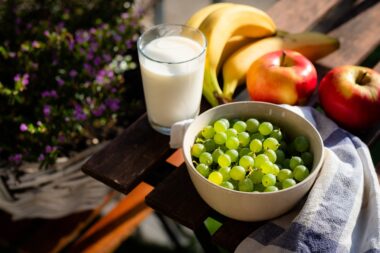
Here are some quick and easy meal ideas that can be prepared ahead of time. Overnight oats are a fantastic choice; combine oats, yogurt, fruits, and nuts for a complete meal. Another option is smoothies. Blend a banana, some spinach, protein powder, and your choice of milk for a refreshing pre-workout boost. Energy bars can be homemade using nuts, seeds, and dried fruits; they can be made in batches and stored easily. Additionally, try whole grain wraps with turkey or chicken, packed with leafy greens and avocado for extra nutrients. Consider having sliced veggies and hummus on hand for a quick snack that won’t bloat you. If time is running low, grab a piece of fruit like an apple or banana just before heading to the gym. All these meals are portable, nutritious, and will keep you energized without weighing you down during your workout.
Planning meals around your workout schedule is crucial for maximizing energy levels. Ensure that you eat your pre-workout meal about 30 minutes to 2 hours before exercising, depending on how your body reacts to food intake. Adjust timing based on personal preference and daily schedule. Listening to your body will help create a routine that provides optimal energy. Additionally, consider the intensity and type of exercise you are doing, as this will influence your dietary choices. For strength training sessions, focus on meals that offer higher protein content, whereas for cardio activities, prioritize carbohydrates. Stay aware of any discomfort during workouts after eating; this will guide your meal timing and food selections in the future. By being attuned to your body’s signals, you will be better equipped to fuel your workouts effectively and maintain healthy habits, even amid a busy life, ultimately leading to better performance and results.
Hydration and Its Importance
In the rush of preparing meals, hydration is often forgotten but remains a critical aspect of pre-workout nutrition. Ensuring you’re adequately hydrated can greatly affect your workout performance. Aim to drink water throughout the day, not just before your workouts. Being well-hydrated helps maintain energy levels and can improve recovery times. If you’re prone to dehydration, consider electrolyte-rich beverages. In addition, monitor your urine color; a clearer color often indicates proper hydration. The right fluid intake can also enhance metabolism and reduce fatigue during exercise. Keep a water bottle handy during your busy days to remind yourself to hydrate. Mixing in some lemon or lime to your water can provide variety and improve taste, encouraging consumption. Remember that eliminating sugary drinks is essential; they offer empty calories and could lead to energy crashes. Staying hydrated supports every bodily function, including muscle performance, making hydration an essential part of your pre-workout nutrition strategy.
Recognize the pivotal role of meal adjustments based on your activity level. The same meal may not work every day; adapt your nutrition according to workout demands. For lighter exercise days, consider consuming smaller meals to prevent discomfort. On days with intense workouts, more significant meals or additional snacks may be necessary. Meal diversity is essential in promoting a balanced intake of all nutrients. Rotate your foods to cover a broad spectrum of vitamins and minerals. Utilizing a food diary can assist you in tracking what works best for your energy needs. This allows for adjustments when you notice dips in your workout performance. Experiment with meal timing and nutrient combinations to identify your optimal intake. As you refine your approach, be patient with yourself. This process is dynamic and intended to find balance and efficiency. Engage in self-reflection after workouts; noting what you consumed and how you felt can offer valuable insights into fine-tuning your pre-workout strategy.
Conclusion: Staying Committed to Nutrition
Your ability to stick to your nutrition plan amidst a busy lifestyle requires commitment and creativity. Explore options that work for you and your unique preferences. The key to success in pre-workout meal planning is to remain adaptable while having fun with the food choices you make. Prioritize organization in your meal prep, keep your kitchen stocked with nutritious options, and adopt mindful eating practices. Remember to embrace balance; indulgences are acceptable, provided they don’t compromise your overall health goals. Celebrate your progress and remain focused on your fitness aspirations, using these meal planning strategies as tools to support your journey. By taking a proactive approach to nutrition, you empower yourself to thrive not just in your workouts, but throughout all areas of life. Prepare ahead, stay positive, and let your commitment to pre-workout nutrition fuel not only your physical performance but also your overall well-being.