
How CrossFit Athletes Prepare for Competition Day
Preparing for competition day is a critical aspect of a CrossFit athlete’s journey. The days leading up to the event are typically filled with strategic planning, focusing on both mental and physical readiness. Athletes often emphasize the importance of nutrition during this time; a well-balanced diet tailored to fuel their specific needs is vital. Many athletes choose to consult with nutritionists to ensure they are consuming adequate macronutrients and micronutrients. This may involve increasing protein intake and adequate carbohydrates, providing the energy required for intense performance. Additionally, hydration plays a significant role in an athlete’s preparation. Proper hydration enhances performance and helps prevent fatigue. Rest and recovery are equally important. Athletes schedule lighter workouts while prioritizing recovery techniques such as foam rolling, massage therapy, and adequate sleep. These factors contribute to their overall readiness for competition. Planning their competition attire and gear also contributes to athlete confidence. Mental preparation cannot be overlooked. Visualization techniques and mental rehearsals help them approach the competition with a winning mindset, diminishing pre-competition nerves. Thus, a comprehensive approach is vital in preparing for the unique demands of competition day in CrossFit.
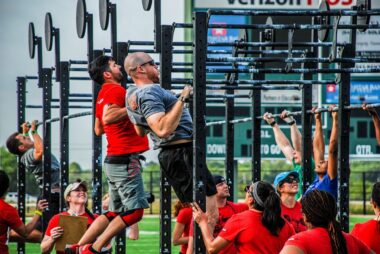
A significant part of preparing for competition involves strategizing the workouts and understanding the programmed events. Athletes carefully analyze the workout standards and movements, outlining their strengths and weaknesses. This allows them to formulate a plan for their approach on competition day, including tactical decisions. Many athletes engage in mock competitions during training to simulate the environment of the actual event. Such simulations allow them to refine their skills and develop effective pacing techniques. Additionally, athletes often gather information from past competitions, studying how the workouts were executed by other athletes. This provides valuable insight that can enhance their performance. CrossFit athletes also focus on developing a routine for their warm-up before the event. A well-structured warm-up not only prepares their bodies physically but helps them mentally transition into the competition mindset. Athletes might engage in dynamic stretching, light lifts, and mobility work to maximize their range of motion. Keeping their body in peak condition is always a priority, as small adjustments can lead to significant improvements on competition day. The combination of detailed preparation and strategic planning ultimately positions athletes for success during their competitions, highlighting their commitment to the sport.
The Role of Coaches and Support Systems
The role of coaches is indispensable in preparing CrossFit athletes for competitions. Experienced trainers provide guidance and feedback on performance, helping athletes fine-tune their skills. Coaches often watch closely during training sessions, offering insights into refining techniques and optimizing workouts. This collaborative relationship builds trust and encourages athletes to strive for excellence, enhancing their mental and physical performance. Additionally, coaches assist athletes in developing appropriate competition strategies based on their strengths and weaknesses. Support systems, including family and friends, play a crucial role in an athlete’s mental fortitude. Encouragement from loved ones can significantly enhance an athlete’s confidence during challenging moments. The camaraderie built within the CrossFit community fosters motivation and support, pushing athletes to excel. Notably, many athletes participate in team events, which promote motivation and collaboration in preparing for competition. As a result, the emotional support provides athletes with a sense of belonging, contributing positively to their performance. Managing expectations is crucial. Coaches guide athletes in identifying achievable goals while encouraging them to push their limits. The interaction of coaches and support systems creates a powerful foundation for success on competition day.
In addition to physical and mental preparation, CrossFit athletes often engage in mindfulness practices leading up to the competition. Mindfulness techniques enhance focus and alleviate pre-competition anxiety, allowing athletes to perform at their best. These practices can include meditation, deep-breathing exercises, or even yoga. Engaging in these activities helps athletes maintain composure in high-pressure situations, enabling them to concentrate solely on their performance. Furthermore, optimal sleep is essential in maximizing physical performance. Athletes aim for quality sleep leading up to the event, ensuring their bodies are sufficiently rested and ready for the demands of competition day. This rest period aids muscle recovery and energy restoration, allowing them to perform at their full potential. Managing stress through relaxation techniques equips athletes with the necessary tools to tackle challenges on competition day. Many athletes will also prioritize short-term goals over long-term ones, focusing on individual workout performances rather than overall placement. This approach can alleviate pressure and foster a sense of accomplishment during the competition. A holistic approach to competition preparation combines all these elements, enhancing an athlete’s overall readiness.
Nutritional Strategies for Competition Day
Nutrition is essential for CrossFit athletes on competition day. Their meal strategy targets peak performance while providing energy and endurance. Athletes typically consume meals high in carbohydrates, timed carefully to optimize energy release during the competition. A common practice is to consume complex carbohydrates the night before, allowing for gradual energy availability. On the day itself, quick sources of energy, such as fruits or energy bars, are favored. These options are easily digestible, minimizing gastrointestinal distress. Athletes often avoid foods that could disrupt their energy levels or cause discomfort during the competition. In addition to carbohydrate intake, protein consumption is crucial for maintaining muscle while promoting recovery during multi-event competitions. Hydration strategies are paramount; athletes plan their fluid intake to sustain hydration levels adequately. During breaks, fluid replenishment helps maintain performance throughout the day. Electrolytes are often included in drinks to replace losses due to sweating. Lastly, many athletes have specific snacks or beverages they rely on before their workouts to fuel their performance. This regimented nutritional approach is essential for optimizing results, preparing them to tackle the competitive challenges ahead.
The competition environment itself presents unique challenges that require thoughtful preparation. Athletes must adapt to various conditions including weather, venue, and available equipment. Many athletes visit the competition site beforehand to familiarize themselves with the setup and layout. This advance scouting allows them to plan their movements and strategies for navigating the space effectively. Additionally, adaptation to potential distractions from spectators is part of the mental conditioning that athletes undergo. Learning how to maintain focus despite noise and interruptions enhances their performance. Researching competitors can also provide insights into the mental game; understanding the strengths and weaknesses of others helps athletes to strategize their approach. Arriving early to the venue on competition day helps athletes mitigate stress and allows them to establish their environment. This time enables them to properly warm up, mentally and physically prepare themselves for the event. Another aspect of this preparation includes visualizing success, which has a proven impact on performance outcomes. Many CrossFit athletes practice positive self-talk and visualization techniques to bolster their strategies, creating a high-performance mindset leading into their events.
Post-Competition Review and Learning
After competition day, CrossFit athletes typically engage in a reflective process to assess their performance. Reviewing their successes and challenges allow them to identify areas for growth and improvement. This post-competition analysis can include discussing strategies with coaches, analyzing workout results, and sharing experiences with teammates. Collectively, this feedback is instrumental in shaping future training regimens and competition strategies. Coaches often provide constructive critiques; loading data from performance analytics can pinpoint specific areas requiring adjustments. Identifying and understanding different movements can enhance their technical skills. Furthermore, athletes might consider their emotional responses during competition. Reflecting on feelings and mental state during the event allows for optimizing mental conditioning strategies moving forward. This evaluation is not about dwelling on failures but rather about leveraging lessons learned to improve future performance. Setting new goals based on insights gained post-competition motivates athletes to chase excellence continually. Ultimately, this review process is a crucial step in any athlete’s development. The ongoing journey of learning and adaptation in a CrossFit environment facilitates growth, enabling athletes to push boundaries and achieve their personal best.
In addition to the practical aspects of competition preparation, athletes must also focus on psychological readiness. Building mental resilience is crucial for performance under pressure. Many athletes actively train their mental toughness by engaging in scenarios that simulate the stresses of competition. This training often includes cultivating a positive mindset through affirmations and focusing on past successes. Visualization enhances recall and improves confidence, establishing a clear picture of their goals and performance outcomes. Athletes frequently work with sports psychologists to develop tailored mental strategies. These may include routines that foster relaxation, enhancing focus during chaotic circumstances. Developing a game day routine helps to ground athletes, providing structure during the unpredictability of competition. This mental preparation mirrors the physical training, emphasizing the need for holistic readiness. Athletes discuss their intentions and affirm their skills, solidifying a self-belief in their preparation and ability to perform. Post-event evaluations also include assessing their emotional well-being during and after competition day. Understanding how emotions had an impact helps in refining future preparations. Mental training, combined with the physical and nutritional strategies, creates a well-rounded athlete ready to conquer the challenges of competition day.