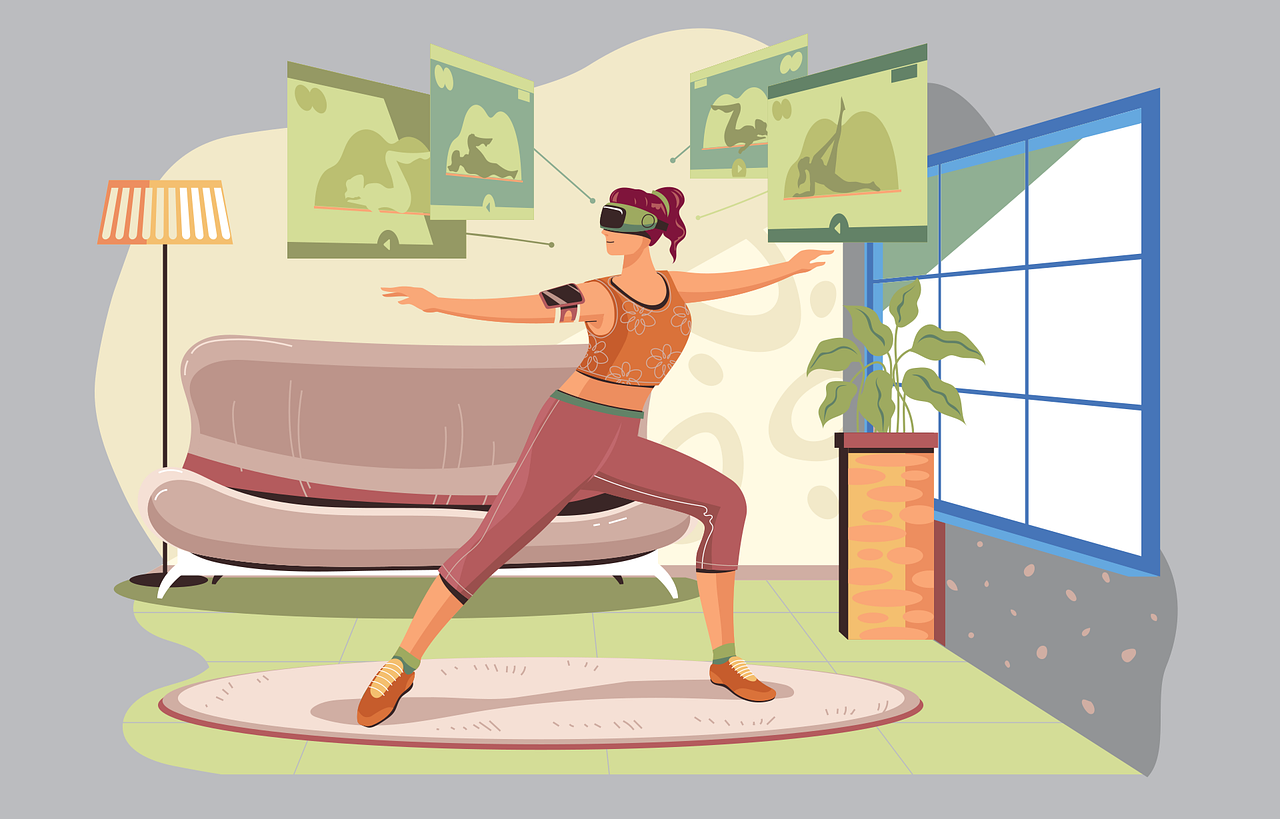

Virtual Reality Workouts: The Next Big Thing in Fitness?
The fitness industry is rapidly evolving, with new technological advancements paving the way for innovative workout experiences. One of the most exciting developments in this realm is the integration of Virtual Reality (VR) workouts. VR technology provides a unique environment, immersing users in lifelike scenarios that enhance motivation and engagement. With various VR platforms available, users can now partake in diverse workout regimes that traditionally would require physical space, equipment, or facilities. This immersive experience not only makes workouts feel like fun but also caters to diverse fitness levels, addressing the needs of beginners and advanced users alike. The ability to virtually visit stunning landscapes or compete with others in real-time offers a fresh appeal among fitness enthusiasts. Personal trainers are also beginning to explore VR technology to create personalized workout plans. They utilize VR to enhance the client experience by offering tailored training sessions. With the integration of metrics and feedback, users can track their performance in real-time and see improvements effectively. The prospect of achieving fitness goals while having fun makes VR workouts a promising option for many.
As fitness continues to embrace technology, VR workouts are becoming a significant trend within the industry. Companies are developing advanced programs tailored specifically for home use, allowing fitness enthusiasts to engage in immersive exercises without needing a gym. From cycling through virtual landscapes to performing yoga on serene beaches, the possibilities are endless and incredibly appealing. Several fitness studios are also incorporating VR technology into their group classes, which not only makes the experience more interactive but also fosters community among participants. The social aspect is crucial for many individuals, as workout buddies often boost motivation and commitment. Gamification plays a pivotal role in VR workouts, as users earn points and rewards for achievements. This strategy keeps participants engaged and encourages them to pursue their fitness goals with vigor. Reports indicate that those who participate in VR workouts show higher retention rates than traditional workout methods, which can lead to improved health outcomes. Ultimately, technology shifts how people perceive fitness, creating experiences that are enjoyable, motivating, and competitive. As VR technology advances, we can expect even more exciting developments within the fitness sector.
To fully understand the appeal of VR workouts, one must consider the psychological benefits associated with them. Many individuals struggle with adherence to routine exercises, often feeling bored or unmotivated. This is where VR innovation shines by providing a captivating experience that can make workouts feel less like a chore and more like an adventure. Research shows that engaging in enjoyable activities can significantly reduce stress levels while boosting endorphins. As users enter virtual worlds, their brain releases dopamine, often associated with reward and pleasure, reinforcing their desire to continue exercising. Additionally, the ability to immerse oneself in beautiful, serene environments while breaking a sweat promotes mental well-being. As individuals escape everyday stressors, VR workouts merge physical activity with therapeutic benefits, creating a holistic approach to fitness. Users have reported greater levels of enjoyment when working out through VR, primarily due to the enhanced visualizations and immersive scenarios. These factors allow participants to visualize their success, thus fostering a positive mindset toward fitness. Therefore, as VR technology gains popularity, it may also help combat the growing concerns of mental health in today’s fast-paced world.
The Future of Fitness Technology with VR
As VR workouts gain traction, it’s crucial to explore potential future developments in fitness technology that complement and expand on this trend. Experts believe that advancements in VR capabilities, such as improved graphics, haptics, and sensory experiences, will further transform the industry. Emerging technologies like augmented reality (AR) could be integrated with VR workouts, providing even more realistic audio-visual feedback and interaction. For instance, users could receive live feedback on their form and posture while participating in a virtual class, enhancing the safety and effectiveness of their workouts. The rise of wearable technology may also play a significant role in the future of VR fitness. Smart gadgets that track heart rate, calories burned, and more can help create a comprehensive health ecosystem. These devices may sync with VR platforms to provide users with insights and tailored feedback in real-time. Moreover, artificial intelligence (AI) could facilitate personalized workout plans based on individual fitness data. Thus, we can expect fitness technology to grow considerably, integrating various components for a highly engaging, effective, and personalized fitness experience.
Another important consideration regarding VR workouts relates to accessibility. As this new trend emerges, it’s essential that all individuals have access to these innovative fitness solutions. Many VR platforms aim to develop inclusive programs that cater to people with disabilities, allowing them to participate fully in fitness experiences. By creating adaptive workout environments, VR can empower individuals who may previously felt excluded from traditional exercise settings. This inclusivity can have a tremendous positive impact on community building and athlete engagement across various demographics. Educational institutions and community organizations are beginning to recognize the potential of VR by incorporating it into their physical education programs, fostering a new generation of healthy, tech-savvy individuals. Furthermore, partnerships between tech companies and fitness brands can help subsidize access to VR equipment for underprivileged communities. Such efforts may lead to enhanced physical literacy and health equity across diverse populations. As the demand for VR workouts grows, companies must remain vigilant in addressing accessibility issues, ensuring that no one is left behind in the fitness revolution. Encouraging inclusivity will ultimately fortify the strength of the industry.
The discussion around safety and injury prevention in VR workouts is paramount, especially as technology enables more advanced movements in engaging environments. It’s vital for users to be aware of safety protocols while participating in immersive fitness sessions. Manufacturers and fitness developers must prioritize the creation of programs that promote safe exercising and proper techniques. Virtual reality can provide guidance, reminding users to maintain good posture and employ appropriate forms during workouts. Additionally, educational components that focus on warm-ups, cool-downs, and injury prevention strategies should be introduced in VR platforms. Users should undergo preliminary assessments or fitness tests to identify their limits, allowing them to enjoy VR workouts without exceeding their capabilities. It’s also essential for VR programs to include options that account for varying fitness levels and preferences, enabling personalized experiences. By implementing best practices for safety and injury risk reduction, the fitness industry can foster a supportive community that encourages growth and development. Ultimately, in order to maintain participants’ trust and enthusiasm for these workouts, developers must consistently prioritize user safety throughout their platforms.
Conclusion
In conclusion, VR workouts represent a remarkable innovation within the fitness industry, merging technology and physical activity in unprecedented ways. With their ability to engage users, improve adherence, and enhance mental well-being, it’s no surprise that they are gaining popularity. As advancements continue to expand the possibilities within this sphere, the potential for VR workouts remains immense. Individuals are increasingly embracing immersive experiences that challenge them physically while providing enjoyable environments to escape daily stressors. The fitness industry’s focus on inclusivity and safety will also ensure that these technological advancements benefit everyone, regardless of their physical abilities. Moreover, the integration of various technologies, like AI and wearable devices, may further personalize and enhance fitness experiences. Ultimately, investing in VR workouts could yield a substantial impact on overall health and wellness. By remaining vigilant in addressing accessibility, safety, and engagement, the fitness industry can usher in a new era of exercise that inspires individuals to lead healthier and more fulfilling lives. The future of fitness with VR technology is bright, and it promises exciting adventures for fitness enthusiasts.