
The Impact of Veganism on Muscle Mass and Strength
Veganism has gained tremendous popularity over recent years, and its effects on muscle building are a topic of growing interest. One crucial aspect of this subject revolves around whether a plant-based diet can sufficiently support muscle mass and strength development. Vegan bodybuilders and athletes challenge the misconception that optimal muscle growth is unattainable without animal products. To achieve muscle hypertrophy, vegans should focus on meeting their protein needs, which can be accomplished through various plant-based protein sources. Foods such as lentils, Quinoa, chickpeas, beans, tofu, and nuts are packed with essential amino acids important for muscle repair and growth. Moreover, many plant proteins are rich in branched-chain amino acids (BCAAs), which are critical for stimulating muscle protein synthesis. By incorporating these foods strategically into their meal plans and post-workout nutrition, vegans can effectively support their muscle-building goals while adhering to their dietary preferences. However, it is vital to track daily protein intake and adjust meal plans to ensure they meet the required levels for optimal muscle growth.
To further enhance muscle gains, vegans must be aware of their overall caloric intake. Sufficient calories fuel workouts and recovery, which can significantly impact muscle-building results. Vegan diets can sometimes be lower in calories, making it essential to include calorie-dense foods, such as avocados, nuts, and seeds, in the daily routine. Additionally, consuming complex carbohydrates like whole grains and starchy vegetables provides the energy necessary for rigorous training sessions. Hydration also plays a critical role in muscle recovery and performance. Drinking adequate water helps maintain performance and supports various bodily functions, including muscle contractions. The combination of optimal calorie consumption, hydration, and macronutrient profiling forms the foundation of an efficient vegan muscle-building protocol. Moreover, it’s important to monitor micronutrient intake, as certain vitamins and minerals present primarily in animal products may be lacking in a vegan diet. Supplementing nutrients like Vitamin B12, Omega-3 fatty acids, and iron may be necessary to maintain overall health and performance.
Protein Sources for Vegan Muscle Building
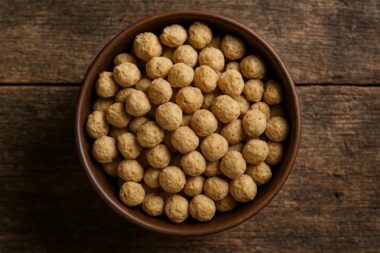
Proteins are the building blocks of muscle, making their source pivotal in any muscle-building strategy. Vegan athletes can sources of protein that support muscle growth, including tofu and tempeh, which are versatile products made from soybeans. Seitan, often referred to as wheat meat, is another excellent source of plant-based protein that mimics the texture of meat. Legumes, in various forms such as beans, lentils, and peas, offer a fantastic protein boost, while seeds and nuts provide essential fats that assist in overall recovery. Incorporating a variety of these proteins ensures that one receives a more comprehensive amino acid profile, which is critical for muscle repair. The recommended daily protein intake for muscle growth generally hovers around 1.2 to 2.2 grams per kilogram of body weight for athletes. Tracking protein sources and ensuring a diverse intake throughout the day can facilitate muscle-building effectively while maintaining a balanced vegan diet.
Moreover, timing plays a role in nutrient absorption and muscle recovery. Consuming protein shortly after a workout can significantly enhance muscle recovery processes. Most athletes recommend aiming to consume a protein-rich meal or shake within 30 to 60 minutes post-exercise. Planning meals around workouts can enhance training outcomes. Additionally, integrating supplementation, such as vegan protein powders made from pea, rice, or hemp, can help meet protein requirements efficiently. Lastly, vegan athletes should remember to include occasional treats and variety in their diets. The psychological aspect of dieting often influences adherence and enjoyment. Incorporating favorite foods in moderation can contribute positively to long-term commitment to fitness goals. In conclusion, by adopting a strategic approach toward their protein and caloric intake, vegans can build muscle while enjoying their preferred plant-based lifestyle.
Strength Training Strategies for Vegans
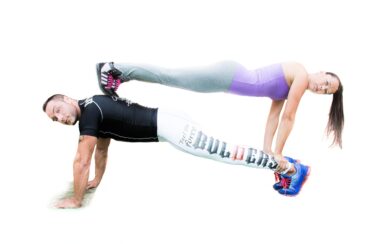
Once an appropriate dietary foundation is established, the next step is implementing a strength training program specifically designed for muscle hypertrophy. It is essential to incorporate progressive overload, an important principle where one gradually increases weights or resistance over time. This principle ensures that muscles continually adapt and grow. Additionally, a combination of compound exercises, such as squats, deadlifts, and bench presses, will stimulate multiple muscle groups simultaneously, enhancing overall strength and muscle mass more effectively than isolation exercises alone. Training frequency is also important; typically, advanced lifters benefit from training each muscle group two to three times a week. Similarly, creating a well-rounded workout plan tailored to individual goals can maximize strength gains. Lastly, offering variety through different training modalities, such as dumbbells, resistance bands, and bodyweight exercises, can prevent plateaus and keep workouts engaging. Regularly changing the routine preserves enthusiasm while optimizing results.
Moreover, proper recovery practices are essential for optimal performance and growth. Post-workout recovery methods could include foam rolling, massages, and adequate sleep, which support muscle repair. Prioritizing sleep ensures hormonal balance, allows muscles to recover fully, and diminishes the risk of injuries. Vegan athletes might find beneficial practices in yoga and mindfulness practices to enhance recovery and mental focus. Developing a training culture that emphasizes consistency and patience is foundational to body transformation. Nurturing a positive mindset throughout the muscle-building journey can enhance performance and enjoyment of the process. Building muscle on a vegan diet does require diligence; however, many athletes report that mastering this balance ultimately leads to improved overall health and well-being. The journey is just as rewarding as the destination, making each step essential. Lastly, creating and surrounding oneself with a supportive community of like-minded individuals can provide motivation and encouragement, turning challenges into positive growth experiences.
Potential Challenges and Solutions
Embarking on a vegan muscle-building journey may present certain challenges, but various strategies can ease this process. Meeting daily protein needs can be especially daunting for newcomers, who might initially struggle to incorporate sufficient protein sources into their diets. A feasible solution involves engaging with nutrition professionals or exploring reputable online resources to develop personalized meal plans. Furthermore, understanding how to read food labels and identify hidden sources of protein can empower individuals. Additionally, some vegans may face obstacles related to finding suitable protein-rich foods in various situations, especially while traveling. Planning ahead and packing nutritious snacks like protein bars, nut butter packets, and convenient ready-to-eat meals can help stay on track. Another challenge concerns obtaining adequate vitamins and minerals. Regularly monitoring micronutrient levels and incorporating fortified foods or appropriate supplements is essential for maintaining health. Lastly, remember that building muscle takes time; persistent effort and dedication are keys to success in this endeavor.
In summary, veganism does not have to be a hindrance to muscle mass and strength. Through a well-planned diet and focused training, muscle-building can be successfully achieved on a plant-based diet. By tapping into the right protein sources, maintaining calorie intake, and employing effective strength training practices, vegans can build impressive muscle mass while prioritizing plant-based choices. The rising popularity of veganism has led to increased awareness and access to a diverse range of plant-based products that simplify the process of adhering to these dietary preferences. While the journey requires dedication, patience, and a personalized approach, achieving desired physical goals within a vegan lifestyle is possible. Leveraging the tools, community support, and current knowledge on nutrition empowers individuals to break down barriers related to vegan muscle building. Ultimately, promoting health, fitness, and environmental awareness can lead to a fulfilling and holistic lifestyle without compromising personal values. By celebrating dietary choices, individuals can experience growth and strength in all facets of their lives.