
The Future of Fitness Apps: Trends in Personalized Workout Generators
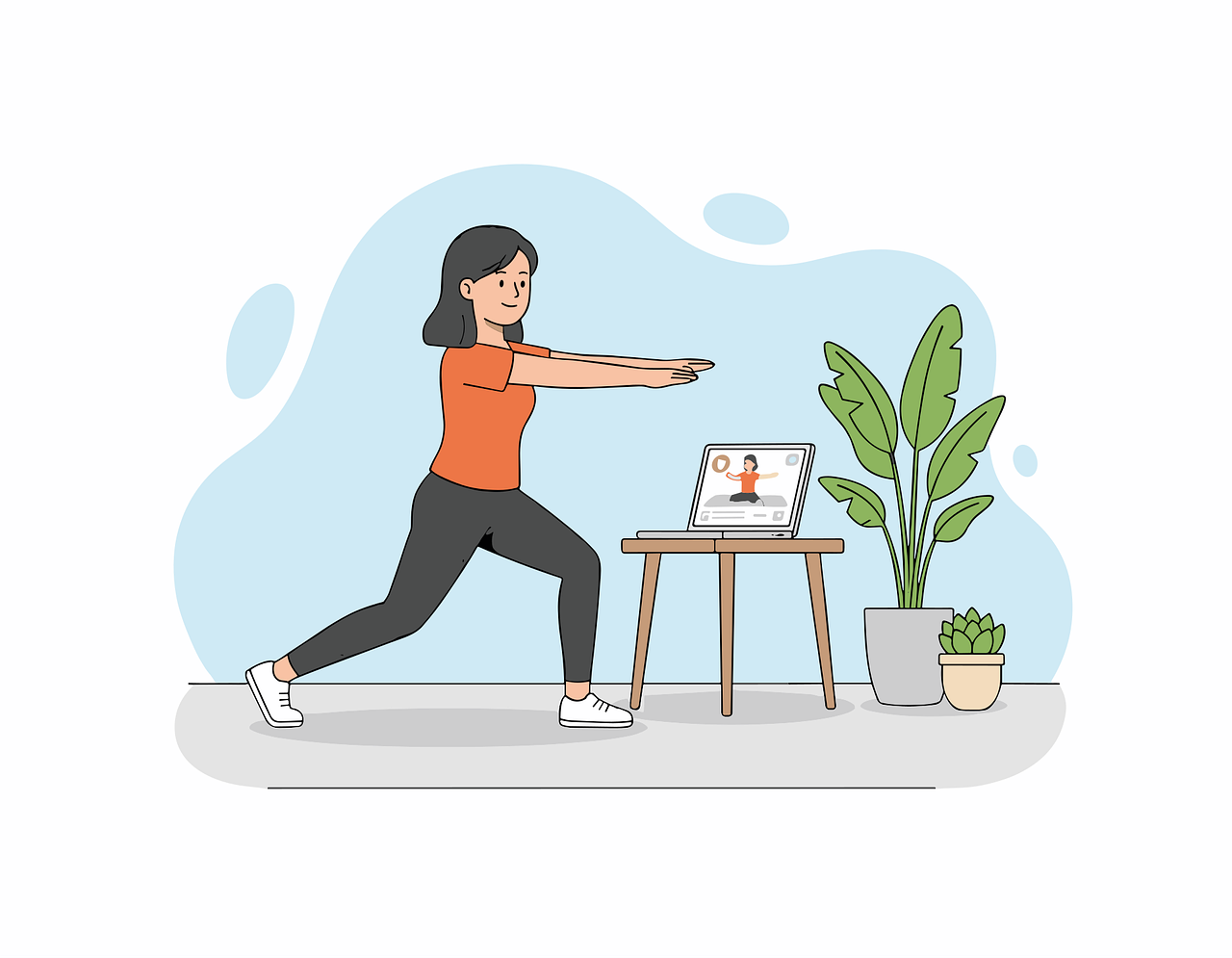
In the ever-evolving landscape of fitness apps, personalized workout generators have emerged as a remarkable innovation. These tools harness advanced algorithms and user data to create tailor-made fitness plans suitable for every user. By taking into account an individual’s fitness level, goals, and preferences, these applications generate workouts that are engaging and efficient. This personalization trend is its core strength, making fitness more accessible and enjoyable. As users become more informed about their fitness journeys, the demand for customized solutions has surged. Thus, personalized workout generators incorporate features like video tutorials, adjustable intensity levels, and real-time adjustments. For beginners, these apps alleviate confusion related to workout choices while offering seasoned fitness enthusiasts the chance to optimize their regimens. Moreover, they often integrate with wearable technologies, providing a comprehensive view of one’s health. This synergy not only enhances user engagement but also boosts motivation, as users see immediate progress. In a crowded market, brands that prioritize personalization are poised for greater success, as they meet the diverse needs of their clientele. Personalized workout generators truly represent the future of fitness apps, transforming how we approach wellness.
Next on the horizon for personalized workout generators is the incorporation of artificial intelligence (AI). AI technology can analyze user performance more efficiently and adapt plans in real-time, ensuring optimal results. This feedback loop not only keeps users engaged but also maintains the effectiveness of workouts. As machine learning algorithms continue to mature, they will become increasingly adept at predicting user preferences and performance outcomes. This level of sophistication means that your fitness app could offer suggestions based on patterns identified in your workout history. Furthermore, AI-driven apps will increasingly utilize data from wearables, enhancing their capability to adjust workout plans on the fly. The integration of AI can lead to goal-setting features that adapt based on users’ progress, ensuring they remain challenged but not overwhelmed. As these applications evolve, they may also provide social features, connecting users with similar fitness goals. This leads to a sense of community, where users can share experiences and achievements. In essence, the fusion of AI with personalized workout generators promises a level of customization that was previously unimaginable. The potential is vast and exciting.
Another noteworthy trend in personalized workout generators is gamification. By incorporating elements of gaming, fitness apps engage users, motivating them to adhere to their fitness goals. Users earn rewards for completing specific workouts or reaching milestones, transforming boring routines into exciting challenges. This strategic approach not only makes working out more engaging but also encourages consistency and accountability among users. For example, a user might unlock new workout levels or virtual badges as they progress, providing a sense of accomplishment. Additionally, leaderboards and challenges among friends can spur healthy competition. Integrating social elements into personal training increases motivation, leading to improved physical fitness. The emotional connection between users and their fitness journeys deepens when fun and competition are involved. Moreover, gamified features often encourage users to push their limits, spend more time exercising, and explore new workout types. As fitness becomes a lifestyle, workout generators that marry personalization with gamification stand out in the market, attracting a wider audience. Thus, the combination of engaging content and personalized training paves the way for broader acceptance of fitness apps among diverse populations.
Another critical aspect of the future of personalized workout generators is their emphasis on holistic health. Modern fitness apps are not only about physical workouts anymore. They increasingly focus on mental health and recovery, offering functionalities that support overall well-being. Users can access guided meditations, nutritional advice, and recovery routines alongside their workout plans. This multifaceted approach addresses the concept of wellness as a whole, recognizing that mental health significantly impacts physical performance. As wellness trends become popular, personalized workout generators will evolve to integrate these aspects, ensuring users receive well-rounded health guidance. Moreover, these applications can be built to consider factors like stress levels, sleep quality, and even seasonal changes, optimizing workout plans accordingly. By providing insights into nutrition and recovery, these apps strive to foster a healthier lifestyle that extends beyond just physical fitness. The inclusion of mindfulness practices, sleep analysis, and nutrition tracking makes these tools invaluable. Ultimately, fitness apps that focus on holistic health stand to create lasting positive impacts on users’ lives, paving the way for healthier habits and communities.
Accessibility and Inclusivity in Fitness Apps
A significant trend in future personalized workout generators is their commitment to accessibility and inclusivity. As awareness about the diverse needs of users increases, developers are prioritizing features that cater to all individuals, including those with disabilities. Customizable options such as voice commands, varying visual content, and adaptive exercises are essential in making fitness apps approachable for everyone. Ensuring that users with varying abilities can engage with content promotes physical fitness equity. Moreover, mainstream fitness culture is evolving to celebrate body diversity, which calls for apps to reflect this change. Features that allow users to adjust workouts to fit different body types and skill levels encourage participation and minimize the fear of judgment. Additionally, personalized workout generators may offer programs designed specifically for older adults or pregnant women, acknowledging their unique fitness paths. Inclusivity cultivates a sense of belonging among users, reinforcing that fitness is for everyone, regardless of background or ability. By breaking down barriers, developers and brands will reach wider audiences and empower individuals to embrace their journey toward health and fitness.
The integration of virtual and augmented reality (VR and AR) within personalized workout generators is another groundbreaking trend. These technologies promise to enhance user experiences by providing immersive workout environments that can transform mundane routines into exciting adventures. Imagine participating in a yoga session on a virtual beach or running through a scenic mountain trail from home. By entering these augmented spaces, users can enjoy a stimulating workout atmosphere. This engaging experience can motivate users to explore their fitness regimen more, offering varying levels of intensity tailored to their preferences. Additionally, AR can assist users by overlaying real-time feedback such as form corrections and performance metrics during workouts. This level of interactivity and engagement not only keeps users coming back but also enhances their learning curves as they adapt new techniques. Moreover, the gamification of workouts through competitive AR interfaces further boosts motivation. Fitness apps that utilize VR and AR technologies will not only attract tech-savvy audiences but also set innovative benchmarks in the industry. As these technologies mature, they could redefine how fitness is experienced, making workouts not only effective but an enjoyable escapade.
Lastly, the trend towards blockchain technology could reshape the landscape of personalized workout generators significantly. By implementing blockchain, app developers can create a secure framework for user data, enhancing trust among consumers. With an increasing understanding of data privacy, users demand more control over how their fitness data is shared and utilized. Blockchain empowers individuals to own and manage their data securely, thus fostering a sense of safety. For instance, users could provide consent for their data to be used strictly for their personalized health plans. This level of transparency will encourage more individuals to engage with fitness technology, enhancing user uptake rates. Furthermore, incorporating cryptocurrency rewards for reaching personal milestones could incentivize users to push their limits while engaging consistently with the app. This innovative approach can significantly alter user engagement and commitment levels. Finally, the evolving landscape of fitness app development will create endless opportunities. As personalized workout generators continue to integrate such cutting-edge technologies, the benefits for users will only expand.
Conclusion
In conclusion, the future of fitness apps is undeniably tied to the rise of personalized workout generators. With advancements in AI, gamification, and blockchain technology, these tools are here to revolutionize wellness practices. By offering tailored workouts based on individual needs and preferences, they promote accessibility and inclusivity across diverse populations. Furthermore, as apps integrate a myriad of health aspects, users can achieve a more holistic view of their wellness journey. The blending of virtual reality and artificial intelligence will offer immersive experiences, enhancing engagement and ultimately leading to better health outcomes. As personalization becomes the standard, fitness apps must embrace emerging technologies to offer innovative features that keep users motivated. Users are increasingly looking for solutions that fit seamlessly into their lives, and these generators fulfill that demand. The future is bright for personalized workout solutions as they redefine fitness experiences while fostering healthier habits. The ongoing evolution in this space proves that the realm of fitness apps is not just about working out; it’s about finding balance and joy in fitness journeys. The horizon is vast, filled with potential, appealing to old and new fitness enthusiasts.