
Home Functional Workout Plans to Enhance Daily Living Activities
Functional fitness focuses on exercises that mimic everyday tasks, enhancing our physical performance during daily activities. Having an effective workout plan tailored for home execution is crucial. Building strength, flexibility, and endurance through functional workouts enables individuals to perform common activities, such as lifting groceries, squatting to pick up items, or climbing stairs, with ease. Many people find themselves struggling with basic tasks due to a lack of fitness; home functional workout plans effectively target this issue. They allow for versatility in training, catering to various fitness levels and goals. Incorporating functional movements like squats, lunges, and push-ups not only promotes muscular strength but also ensures joint health. To see results, consistency is essential. Therefore, incorporating exercises into your schedule can lead to improved mobility and better overall physical health. Planning workouts requires careful consideration of the exercises to be included, duration, and frequency. Tracking your progress can keep you motivated and ensure you’re on a sustainable path toward increased functional capacity. Therefore, embrace the challenge with dedication, and you’ll notice improvements in your daily living activities, positively impacting your quality of life.
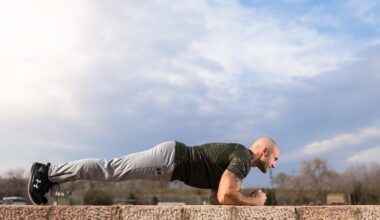
One of the key aspects of home functional workout plans involves integrating a variety of resistance training techniques. Strength training not only builds muscle but also contributes to better stability and balance. Resistance exercises can include bodyweight workouts, resistance bands, or lightweight dumbbells, ensuring accessibility even at home. Moreover, these workouts improve bone density, which declines with age, promoting overall wellness. Start by identifying your fitness level and choose exercises that are appropriate for you. Gradually increasing weight or resistance allows for progressive overload, leading to more significant gains over time. Training can also include core stability exercises that enhance the body’s ability to maintain posture while performing tasks. Additionally, working on coordination and agility through functional drills can improve daily movement efficiency, making it easier to navigate your home and outdoor environments. Bodyweight exercises like planks, bridges, and side lunges can be easily modified to fit individual capabilities. Furthermore, incorporating balance work adds an extra layer of security, preventing falls and injuries. Always listen to your body and prioritize safety to enjoy the benefits of these home functional workouts for enhanced daily activities.
Cardiovascular Health and Functional Workouts
Another integral component of enhancing daily living activities is through cardiovascular conditioning. A solid cardiovascular system ensures sustained energy for daily tasks, from running errands to engaging in leisure activities. Functional workouts can easily include cardiovascular elements, making them holistic exercise practices. Activities such as brisk walking, cycling, or short intervals of high-intensity work can be included to boost your heart health. You can also perform cardio routines with limited equipment by utilizing bodyweight exercises such as jumping jacks or burpees. Incorporating these activities into your weekly schedule can help manage weight and enhance endurance. Additionally, feel free to blend leisurely activities with exercise to maintain a consistent fitness routine while not seeming like a chore. While working at home, set aside specific times each week dedicated to getting your heart rate elevated. This approach does not have to look like traditional gym workouts; rather, it can include playful activities, such as dancing or engaging in family games. An engaging home functional workout plan should be enjoyable to sustain motivation and commitment. Remember, small consistent efforts towards improving cardiovascular health can lead to long-term benefits for daily living functionalities.
Flexibility plays a pivotal role in maintaining an active lifestyle as it considerably reduces the risk of injury during exercise and daily activities. Stretching exercises, incorporated into your home functional workout plan, promote improved flexibility. Emphasizing stretches can enable better movement dynamics and enhance performance in both prescribed workouts and daily tasks. Including dynamic stretches before your workouts can prepare your muscles for activity by increasing blood flow. Likewise, post-workout static stretching supports muscle recovery and retains muscle length after intense activity. Stretches targeting major muscle groups, such as hamstrings, quadriceps, and shoulders, should be prioritized. It is beneficial to hold each stretch for a minimum of 15-30 seconds, ensuring muscles are adequately relaxed and lengthened. Yoga and Pilates can be highly effective for building flexibility while boosting core strength, balance, and overall body awareness. Making stretching a routine part of your weekly schedule encourages your body to be more adaptable and resilient. Therefore, enhance your home functional workout plan by regularly integrating flexibility exercises to ensure an increased range of motion. By focusing on these elements, functional fitness can significantly assist in performing daily activities more effectively and efficiently.
Creating a Structured Workout Schedule
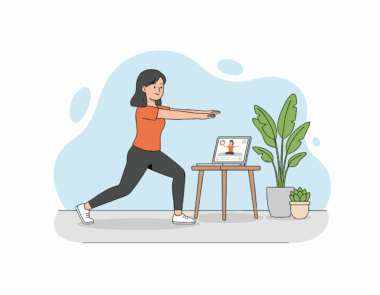
Establishing a structured workout schedule is vital for ensuring a consistent approach towards enhancing functional fitness at home. One effective way to create this schedule is by allocating specific days and times dedicated to different workout components. Each week should feature a blend of strength, flexibility, cardiovascular training, and rest days to allow for recovery. Create a calendar to visually plan out your intended workouts, making it easier to stay committed to your fitness goals. Flexibility is essential, so allow for modifications based on how you feel. Consider using apps or online videos to guide your workouts, providing new challenges and keeping your routine fresh and engaging. Setting short-term goals, such as completing a certain number of workout sessions per week, can improve motivation. Integrate variety by trying out different exercises on various days, ensuring each muscle group is adequately targeted. Keep track of your progress, as observing improvements can be incredibly motivating. Follow the scheduled plan, but remain adaptable, allowing changes as needed. Ultimately, a structured approach tailored to your lifestyle will support the journey to enhanced daily living activities through functional fitness.
Nutrition plays a significant role in achieving your fitness goals while enhancing daily living activities. A well-balanced diet supports energy levels and muscle recovery while ensuring you have the nutrients necessary for optimal performance. Prioritize whole foods rich in vitamins and minerals, such as fruits, vegetables, whole grains, lean proteins, and healthy fats. Establishing a meal planning routine can greatly assist in maintaining a nutritious intake while ensuring you meet your fitness needs. Preparing healthy snacks for before or after workouts can fuel your body and support recovery. Hydration is equally crucial; ensure to drink enough water throughout the day to remain adequately hydrated. Meal timing can also enhance your workout effectiveness, so aim to have a balanced meal a few hours before engaging in physical activity. Post-workout nutrition further aids recovery; consuming protein and carbohydrates shortly after exercise can replenish energy stores. Consider consulting with a nutritionist if you’re seeking tailored dietary advice to complement your functional fitness goals. By focusing on nutrition, you not only enhance your performance during workouts but also improve your capacity for performing daily activities with energy and vitality.
Tracking Progress and Celebrating Achievements
Monitoring your fitness journey through tracking progress can significantly encourage continued engagement. By keeping a workout journal or using fitness apps, you can review your performance over time. This documentation helps identify trends in your workouts, making it easier to fine-tune your home functional workout plans. Celebrating small milestones, like increasing weights or successfully completing more reps, brings motivation and joy to the fitness journey. Additionally, setting benchmarks that align with your overall goals provides clear sight of your achievements. Whether aiming to improve strength, endurance, or flexibility, evaluating your progress is essential for happiness. Weekly check-ins can help you assess areas that require adaptation for optimal results or identify exercises you particularly enjoy. Establishing a supportive environment where you acknowledge your hard work encourages consistency. Celebrate achievements by treating yourself to something special, creating memorable markers along the fitness journey. Sharing accomplishments with family or social media outlets can inspire others and strengthen your commitment, adding accountability. Ultimately, tracking progress and celebrating achievements significantly contribute to maintaining motivation, encouraging individuals to persist in their home functional workout plans, particularly as they enhance daily living activities.
Incorporating mindful techniques into your functional fitness journey can provide numerous benefits, enhancing not only physical response but also mental well-being. Engaging in mindfulness practices during workouts helps enhance focus and body awareness, leading to better performance during functional exercises. Techniques such as deep breathing, visualization, or meditation contribute to creating a calm mind, allowing you to connect with your body and movements. Implementing these strategies can enable you to experience a greater sense of accomplishment while performing daily activities as they foster a positive mindset toward fitness. Engaging fully in each repetition and set makes workouts feel less routine, increasing satisfaction and enjoyment. Mindfulness can further alleviate stress, making it easier to face life’s challenges. Seeking to incorporate techniques that support mental wellness alongside physical fitness encourages a holistic approach to home functional workouts. Create a dedicated time for mindfulness before or after your workouts to prepare mentally for your sessions or unwind afterwards. With consistent practice, these techniques can improve attention spans and emotional health. Eventually, merging mindfulness into your fitness routine nurtures not just your body but also your mind, enhancing all daily activities relying on both facets of health.