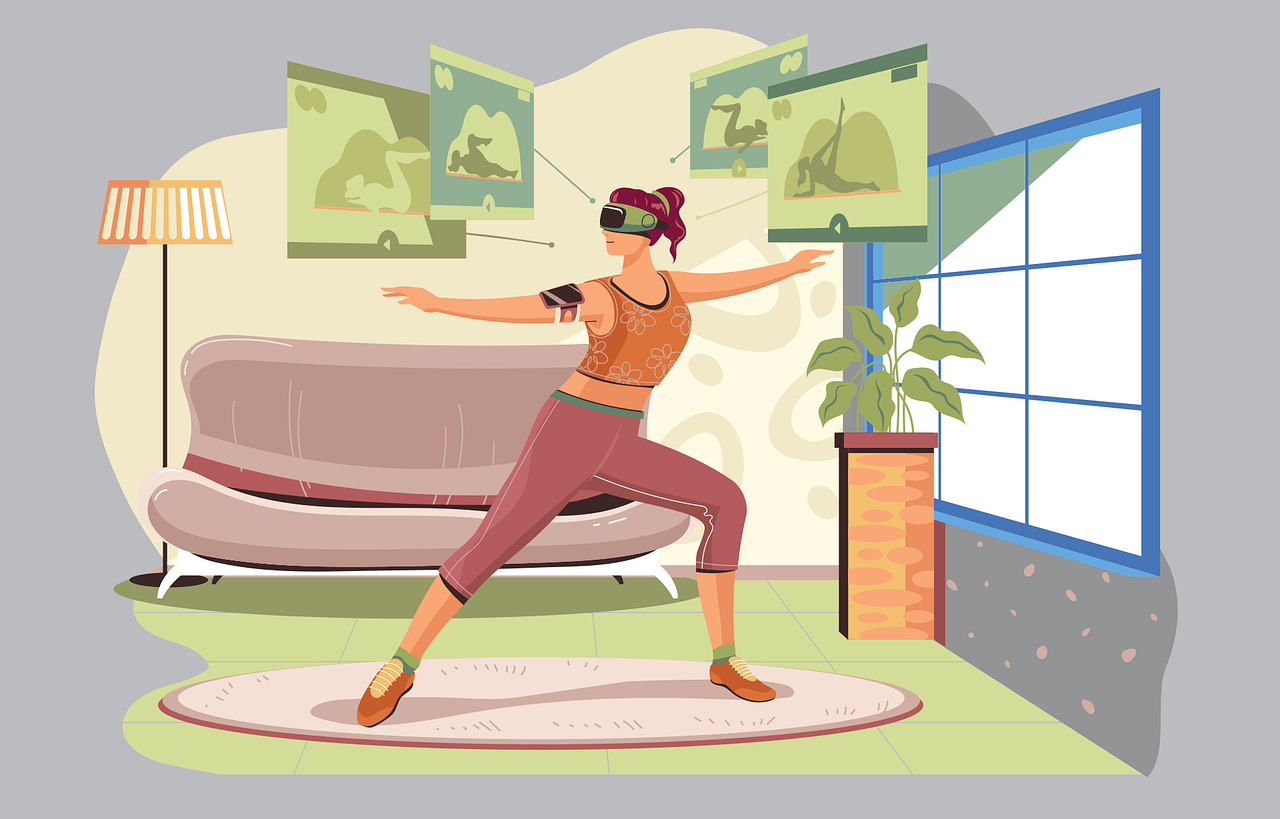

Tracking Performance: AR Fitness Tools for Real-Time Feedback
As the health and wellness industry evolves, augmented reality (AR) fitness tools are gaining significance. These innovative gadgets allow users to receive immediate feedback on their performance during workouts. By integrating AR technology, users engage in immersive programs that visually enhance exercises and help maintain motivation levels. Fitness enthusiasts can utilize smart glasses or apps to overlay graphics during their routines. This ensures that they stay on track with their fitness goals. Furthermore, these tools can assist in correcting form and technique, elements critical for preventing injuries. User feedback has shown that real-time coaching contributes significantly to improved athletic performance and overall satisfaction. Even beginners can benefit from AR fitness solutions, simplifying complex activities and enhancing understanding. However, it’s not just about physical workouts; AR tools can also provide gamified experiences that make fitness enjoyable. By tapping into competitive features, users can challenge themselves and others. As technology continues to advance, more engaging AR fitness options will emerge. The synergy between innovation and fitness promotes a healthier lifestyle, making it more accessible and appealing. AR tools may very well be the key to motivating the masses to embrace physical activity more fully.
Benefits of Real-Time Feedback in AR Fitness
One significant advantage of AR fitness tools is the provision of real-time feedback. These systems employ sensors and data analytics to measure performance metrics instantaneously. Users can gain insights into their physical condition through augmented visuals and auditory cues during workouts. This immediate feedback loop enhances the training experience, allowing users to adjust their strategies quickly. Studies indicate that understanding performance dynamics can drastically improve workout efficiency and outcomes. Moreover, these tools help establish personalized regimens by analyzing individual performance trends. Personalized feedback can highlight areas of strength and suggest modifications for areas needing improvement. Such tailored guidance empowers users to adapt their routines efficiently, ensuring consistent progress. Gamification elements further enrich user experiences, making exercises more engaging and enjoyable. By integrating challenges and rewards, fitness apps can significantly boost motivation levels. Users are more likely to reach their goals when they feel challenged yet entertained. Additionally, AR fitness tools can foster community through shared challenges and competitions. This social aspect encourages users to interact, share progress, and celebrate achievements together. Therefore, AR technology not only enhances personal training but also builds a supportive fitness community.
Incorporating AR in fitness does not solely focus on outcomes; it also emphasizes the experience. Augmented reality creates a vibrant workout environment that can be customized based on individual preferences. Users can choose different training scenarios or settings that increase their engagement. For instance, running enthusiasts can find themselves virtually traversing scenic landscapes, making mundane routines feel novel. This immersive approach transforms workouts from a routine task into an exciting adventure. Gamification plays a crucial role in sustaining interest over time, yielding immense benefits for adherence. Skilled app developers understand how to leverage user psychology, thus making AR fitness programs addictive. Additionally, virtual personal trainers utilize AR tools to provide personalized coaching, enabling users to perform routines accurately and effectively. Quality guidance ensures that practitioners maximize their physical potential while minimizing the risk of injuries. Consequently, augmented reality also addresses safety issues in exercise. Real-time adjustments can be communicated to users, promoting safer practices. This aspect is particularly beneficial for novices or those getting back into a fitness regimen. Both physical and psychological dimensions intertwine to create a holistic fitness approach, making AR fitness tools essential for both beginners and seasoned athletes.
Popular AR Fitness Tools in the Market
The fitness technology space is crowded with various AR tools that cater to diverse user needs. One standout option is the Microsoft HoloLens, recognized as a powerful tool for both fitness trainers and enthusiasts. By layering workout metrics onto the user’s view, it personalizes and enhances the workout experience. Another popular choice is applications like Zombies, Run! that combine storytelling and fitness, motivating users to engage in workouts while escaping virtual zombies. Such applications transport users beyond conventional boundaries. Additionally, FitXR provides immersive virtual classes focusing on various fitness types, from yoga to high-intensity interval training (HIIT). Users can participate in live classes in fantastical environments that maximize motivation. A close contender is Nike Training Club, which utilizes AR elements to demonstrate correct techniques for numerous exercises. Most of these applications come equipped with digital communities, allowing users to share their experiences and support one another. As AR technology progresses, more innovative fitness solutions will likely emerge, addressing a broader range of user preferences. These advancements will contribute positively to promoting health, fitness, and overall wellness in society.
The integration of augmented reality in fitness isn’t just a trend; it represents the potential future of workouts. Market predictions indicate exponential growth in the adoption of AR technology within the health and fitness industry. This growth stems from the increasing consumer demand for personalized and engaging workout solutions that adapt to individual needs. As more research supports the effectiveness of real-time feedback, fitness tools employing AR will likely become standard. Key market players are heavily investing in developing innovative AR tools, ensuring they capitalize on this trend early. New interactive features are continually being developed, focusing on making workouts more exciting and engaging. These innovations will further enrich user experiences, helping them sustain consistent workout habits. However, there’s also a growing emphasis on user privacy and data security with the adoption of advanced technology. Developers are needed to prioritize creating trustworthy systems that respect user information rights. In the coming years, consumers will seek platforms that balance effective tracking with protective measures for their personal data. The fusion of AR technology and fitness also holds potential for further explorations in rehabilitation and physical therapy, reaching broader audiences in need of such services.
Challenges of AR Fitness Technology
Despite the promising prospects, implementing AR fitness technology is not without its challenges. Broadly speaking, the costs of developing and maintaining AR systems can prohibit smaller companies from entering the market. This financial barrier limits the diversity of available options for consumers seeking AR fitness tools. Additionally, technical issues, such as device compatibility and software bugs, can hinder user experiences. Therefore, developers must ensure their products are accessible across multiple platforms and devices to reach maximum audiences. Equally concerning is user adjustment to new tech; some may find the information overload from AR systems overwhelming. Proper guidance is essential for easing the transition from traditional fitness to tech-driven fitness experiences. Many users may also worry about the safety of using AR technology during physical activities. Developers need to focus on thoughtfully designed interfaces that prioritize user safety during workouts. The social aspect of fitness, while enhanced by AR, can sometimes lead to unrealistic comparisons among users. It’s essential to develop a supportive community ethos to mitigate these concerns. Addressing these challenges head-on is vital for the sustainable growth of AR fitness technology.
Looking ahead, augmented reality fitness tools show remarkable potential for revolutionizing workouts. There is clear evidence of how technology continues to merge with physical activities, offering enhanced experiences and improved results. Users can expect more interactive and immersive platforms that enrich their fitness journey while helping them achieve their health goals. The future will likely include advancements in AI, enabling AR tools to adapt dynamically based on user performance and preferences. Furthermore, combining AR with wearables could open new dimensions in fitness tracking, providing users with deeper insights about their activities. As societal attitudes evolve, more people will turn to tech-driven solutions for enhancing health and fitness. Communities will spring up around these technologies, creating supportive networks where users share tips and experiences. Moreover, as followers of fitness trends look for efficient solutions to achieve their health goals, AR technologies can act as facilitators. The alignment of wellness objectives with innovative tools will play a pivotal role in shaping the future landscape of health. Thus, AR fitness technology will likely forge a path for the next generation of fitness enthusiasts and aspiring athletes.
The Role of Community in AR Fitness
In the realm of fitness, community engagement has always played a crucial role. Adding AR technologies to fitness experiences further amplifies this connection. Users can participate in virtual fitness classes alongside friends or people from around the world, enhancing motivation and camaraderie. The ability to share achievements and challenges fosters a sense of belonging among participants. Many AR fitness apps incorporate social sharing features that allow users to document their journeys and encourage others. This visibility can enhance accountability, often pushing individuals to perform better. Platforms like Strava have leveraged this community aspect by integrating AR elements with social features, driving user engagement and retention. It becomes a shared experience rather than a solitary activity. For users who might feel intimidated in traditional gym settings, AR tools can offer supportive environments where they can grow their confidence. Being part of a community can minimize feelings of isolation and encourage long-term commitment to fitness. Thus, building a strong community through AR technology serves as a foundation for fostering overall well-being and establishing healthy lifestyles. As these communities thrive, they contribute to a more profound cultural shift surrounding health and fitness.