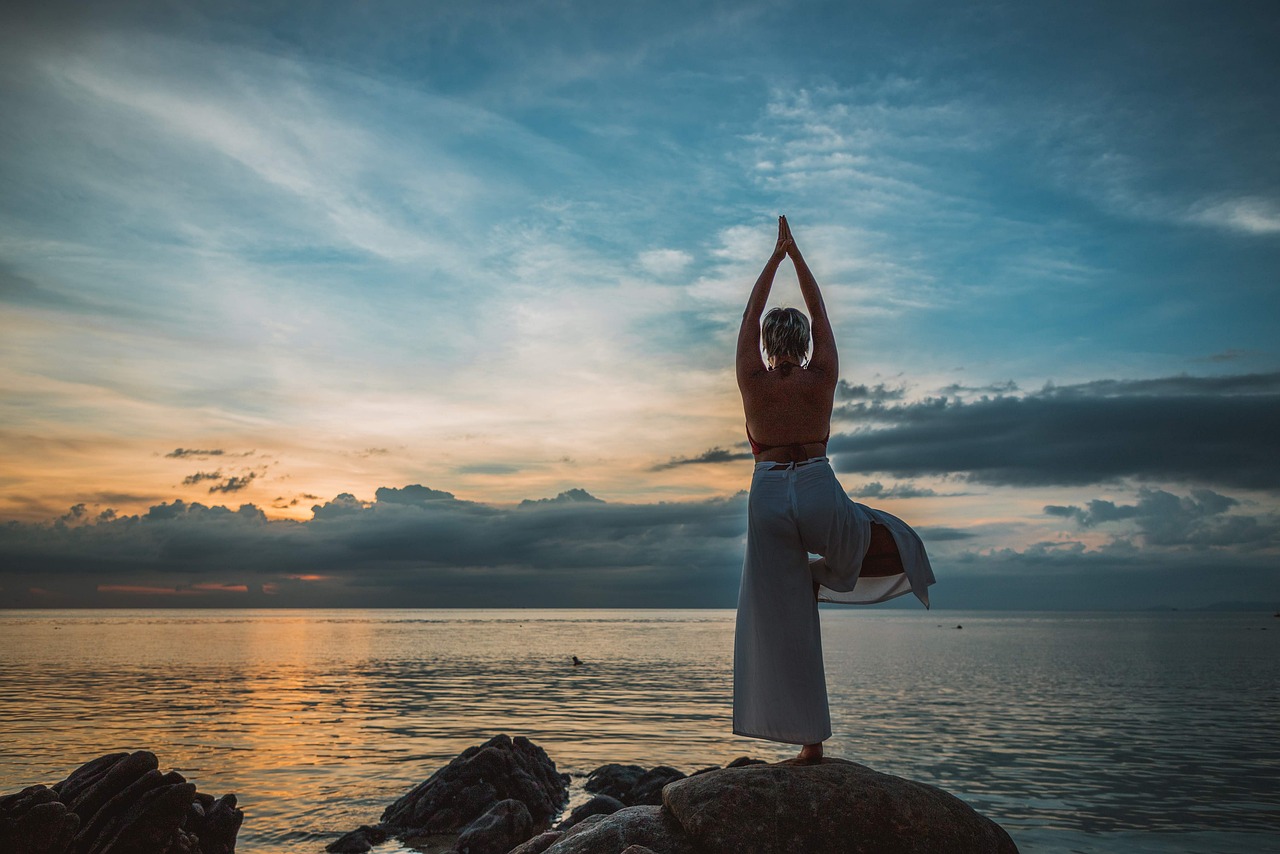

Dynamic Yoga Movements for Functional Fitness Enthusiasts
Integrating yoga into functional fitness is a powerful way to enhance overall physical performance. Functional fitness focuses on movements that mimic daily activities and sports, allowing participants to build strength, endurance, flexibility, and coordination. Incorporating dynamic yoga movements not only improves flexibility but also strengthens stabilizing muscles. These are essential for maintaining balance and preventing injuries. A few prominent dynamic yoga movements that can improve your functional fitness include the Sun Salutation, Warrior II Pose, and Downward Facing Dog. Each pose can be modified according to individual capabilities, making it accessible for beginners while challenging for seasoned practitioners. The Sun Salutation offers a fluid transition that warms up the body, whereas Warrior II strengthens the legs and opens the hips. Downward Facing Dog decompresses the spine and enhances upper body strength. Combining these movements creates a holistic approach to training, addressing multiple muscle groups simultaneously. Adding breath work to your practice can also enhance your mindfulness, making each movement more effective. As a result, dynamic yoga contributes to a well-rounded fitness regimen that is sustainable and enjoyable.
Benefits of Dynamic Yoga for Functional Fitness
The benefits of incorporating dynamic yoga movements into functional fitness routines are substantial. Firstly, they enhance flexibility and mobility, which are critical in preventing injuries during workouts. Improved flexibility allows for a broader range of motion in exercises, which leads to better performance overall. Secondly, these movements help build core strength, essential for stability and balance. A strong core supports the entire body during various activities, reducing the risk of lower back pain and enhancing athletic ability. Furthermore, dynamic yoga promotes body awareness, allowing individuals to understand their movements better and make necessary adjustments. This understanding plays a vital role in functional fitness, where precision is crucial. Moreover, by integrating breath with movement, participants can enhance their endurance and recovery times, which is vital for optimal performance. Mental benefits should not be overlooked either; yoga encourages mindfulness and stress reduction, which can lead to improved focus during workouts. Overall, approaching fitness with this combined perspective results in a more effective and enjoyable exercise regimen, leading to lifestyle changes that benefit long-term health.
Incorporating specific practices into your functional fitness routine can be both beneficial and engaging. One approach is to create a yoga sequence that emphasizes movements promoting strength, flexibility, and balance. Begin with a grounded warm-up that incorporates poses like Child’s Pose and Cat-Cow, preparing the muscles for the more dynamic movements. After warming up, transition into standing poses such as Tree Pose or Balance Pose, challenging your stability and focus. These poses increase engagement of the core while enhancing functional balance. Following the standing sequence, incorporate movements such as High Lunges and Chaturanga to promote strength in the lower body and arms. Moving through these postures in a flow helps incorporate elements of cardio, enhancing heart rate, improving circulation, and boosting stamina. This flow can conclude with seated stretches or restorative poses, aiding in cool down and recovery, enhancing flexibility. Practicing this sequence two to three times a week can lead to noticeable improvements in both strength and flexibility, which are foundational elements for overall functional fitness. Remember to listen to your body and modify poses to match your personal abilities while maintaining form.
Essential Dynamic Yoga Poses
Focusing on specific dynamic poses allows practitioners to significantly enhance their functional fitness levels. One essential dynamic pose is the Sun Salutation, which can include multiple movements designed to flow seamlessly. The series typically begins in Mountain Pose and transitions through Forward Bend, Plank, Cobra, and Downward Facing Dog. This sequence helps to engage multiple muscle groups and simultaneously improves coordination and cardiovascular endurance. Another key pose is the Balance Pose, where standing on one leg while extending the other leg is not only a test of balance but also strengthens the core. Additionally, incorporating movements like the Lunge Dynamic can improve hip flexibility and build leg strength. Furthermore, adding Twisting poses such as Revolved Lunge aids in spinal mobility while enhancing kidney and digestive function. Each of these poses can be varied in execution to challenge personal limits and promote adaptations in strength and balance. Practicing these dynamic movements regularly can foster a greater connection to body awareness, enabling athletes and fitness enthusiasts to transition seamlessly into various physical activities while minimizing injury risk.
Combining breath with movement is a central theme in yoga that enhances the efficacy of physical training. Practicing Ujjayi breathing, commonly known as Ocean Breath, allows you to integrate rhythm with your movements. This technique can increase oxygen flow to your muscles, enhancing endurance during workouts. Focusing on your breath promotes mindfulness, allowing participants to stay present throughout the practice, which can improve overall performance. It is crucial to set intentions before your practice, as this guide helps focus your mind and efforts. Mindful intention-setting connects personal goals, whether it be strength, flexibility, or balance, with your practice. This can serve as motivation during challenging moments, aligning every movement with intention. As you engage in dynamic yoga sessions, remember to periodically reassess your goals to keep your practice fresh and aligned. This process can also lead to discovering new areas to improve upon, enriching your functional fitness journey. Ultimately, fostering this breath-movement connection cultivates not only physical strength but mental resilience, enhancing your overall enjoyment of the fitness experience.
Incorporating Yoga in Functional Training Regimens
Integrating yoga into your standard functional fitness regimen can be a game changer for your overall fitness trajectory. To successfully incorporate yoga, start by scheduling specific times during your week dedicated solely to these movements. Consider replacing traditional warm-ups with dynamic yoga sequences ranging from fifteen to twenty minutes. For instance, a morning practice of Sun Salutations can wake the body up, increasing blood flow and preparing muscles for subsequent activities. Additionally, during strength training sessions, add short yoga breaks with stretches targeting muscles used in lifting or pushing movements, like the Pigeon Pose or Downward Dog. Incorporating these poses not only aids flexibility but allows for quicker recovery between sets. End your weekly routine with restorative yoga sessions focusing on relaxation through yin poses, an essential component for muscle recovery. Also, using props such as blocks or straps can enhance access to deeper postures, making yoga accessible for varying skill levels. The combination of yoga and functional fitness promotes balance in body training while fostering a mindset that prioritizes holistic health.
Yoga’s role in functional fitness goes beyond physical practices; it fosters community and shared experiences among participants aiming to enhance their fitness journey. Group classes offer accountability while engaging in fun and supportive environments that enrich the experience. This sense of community can significantly enhance mental well-being, encouraging individuals to persevere in their health goals while building relationships. Online groups, forums, and social media can extend this community support, facilitating discussions and sharing progress on fitness goals. Engaging in challenges or collective goals within this community can further enhance motivation, leading to stronger commitment to both yoga and functional training. To participate actively in these groups, consider starting a yoga challenge within your functional fitness circle or sharing tips on integrating yoga into daily routines. This social component amplifies the benefits of incorporating dynamic yoga movements, ultimately fostering a mindset where health and wellness become shared values. In essence, the blending of these two disciplines cultivates a strong framework for sustainable fitness, enriching each participant’s journey toward achieving their fitness aspirations.