
Blind and Visually Impaired Participants in Adaptive Group Fitness
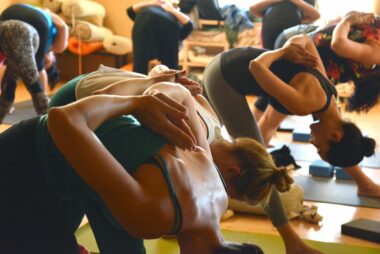
Adaptive group fitness programs play a crucial role in creating supportive environments for blind and visually impaired individuals. These programs encourage social interaction while promoting physical health and well-being. Incorporating adaptive fitness techniques can help blind participants engage actively and effectively. Professional instructors may utilize verbal cues and tactile guides to convey exercise techniques, ensuring safety and understanding. It’s essential to create an inclusive atmosphere that welcomes everyone regardless of their visual ability. Participants can benefit from learning proper body mechanics, improving strength, flexibility, and coordination. Exercise equipment should be oriented and positioned thoughtfully to accommodate blind users, fostering confidence in movement. Instructors should receive specialized training to facilitate adjustments specific to visual impairments, helping group members with varying skill levels feel valued and capable. Ultimately, creating adaptive fitness programs serves to empower individuals by enhancing their health outcomes and promoting independence. These efforts contribute to a stronger community where individuals thrive through shared experiences, acceptance, and motivation. Adaptive group fitness practices are not just about exercise; they manifest a commitment to inclusivity, breaking down barriers that often limit participation in traditional fitness settings.
Benefits of Adaptive Group Fitness
Blind and visually impaired participants reap numerous benefits from adaptive group fitness classes. These classes foster a sense of belonging, encouraging connections among participants who share similar experiences. Social interactions are vital for emotional support, which can enhance participants’ motivation to engage. Additionally, adaptive fitness promotes independence by helping individuals build confidence in their physical abilities. Through regular participation, they experience improved physical health, including increased strength and endurance. Developing these skills through structured workouts empowers participants to manage their fitness journeys effectively. Moreover, adaptive group classes cultivate essential life skills such as teamwork, communication, and leadership that extend beyond the fitness environment. This enriched skill set can translate into greater opportunities and successes outside the gym. Furthermore, the creativity involved in adapting exercises ensures that fitness remains enjoyable and accessible, preventing boredom. Instructors play a pivotal role by designing customized workouts that keep participants engaged and challenged. Ultimately, these classes promote not only physical wellness but also emotional and social growth, helping blind and visually impaired individuals lead fulfilling lives marked by health, friendship, and empowerment. Emphasizing inclusion allows everyone to thrive within supportive community settings.
Accessible and inclusive fitness environments are critical to the success of adaptive group classes. To ensure accessibility, organizations must consider various factors when developing programs for blind and visually impaired participants. First, clear and effective communication is key to fostering an understanding of exercises being taught. Utilizing descriptive language and spatial orientation aids members in navigating the fitness space. Group classes should have well-defined and unobstructed pathways to ensure safety, along with adequate lighting that benefits all participants. Additionally, all equipment used should have tactile indicators to help individuals recognize its functions and navigate their surroundings easily. Attention to auditory feedback is also important, as it assists blind participants in assessing their positioning relative to others in the class. Equipment should be adjusted for ease of access, with instructors ensuring effective spacing to prevent accidents. Inviting sighted assistants or volunteers to provide further guidance can help with navigation, offering supplementary support in group settings. Lastly, feedback from participants about their experiences is invaluable in refining programs, empowering individuals to take ownership of their fitness journeys while adapting activities to meet diverse needs.
Importance of Specialized Training for Instructors
Instructors play a vital role in the success of adaptive fitness programs for blind and visually impaired participants. It is crucial that they undergo specialized training to acquire the necessary skills and knowledge required to support this unique demographic effectively. Training programs focusing on accessibility, communication, and tailored fitness strategies equip instructors with strategies for fostering a welcoming environment. Understanding different levels of visual impairment and their impact on physical movement enables instructors to adapt exercises adequately. This includes offering modifications that suit each participant’s abilities while encouraging skill progression. Instructors must also develop strong observational skills to adapt programming as needed, ensuring that every individual experiences success and enjoyment. The instructor’s ability to thoughtfully communicate expectations and directions is integral to participants’ confidence. Moreover, those trained in sensory-guided cueing techniques can enhance the experience for visually impaired individuals during their workouts. Continuous professional development ensures instructors remain updated on best practices within adaptive fitness. The combination of effective training and supportive teaching creates a culture of empowerment, allowing blind and visually impaired individuals to realize their fitness goals while discovering the joy of movement.
Community awareness regarding the importance of adaptive fitness for blind and visually impaired individuals significantly impacts participation. To promote these programs effectively, outreach initiatives may include hosting fitness demonstrations and workshops aimed at various audiences. Ensuring that messaging emphasizes inclusivity and the positive outcomes of adaptive fitness can inspire interest and reduce misconceptions. Collaborations with local schools, organizations, and support groups can foster wider participation by addressing the barriers that often deter individuals from engaging in fitness activities. Social media campaigns also serve to raise awareness, showcasing success stories of participants who have benefitted from adaptive group classes. Encouraging community partnerships fosters an environment of unity and support, ultimately breaking barriers for participants who may feel isolated due to their visual impairments. Highlighting the experiences of those involved in adaptive fitness often motivates others to join. Additionally, forging connections between sighted and blind individuals promotes empathy and understanding. Such initiatives can create a culture that respects and values each individual’s strengths, forging bonds that extend into every aspect of life. Engaging the community enhances the quality of life for blind and visually impaired individuals by uplifting and supporting their fitness aspirations.
Creating Inclusive Environments within Fitness Centers
Creating truly inclusive fitness environments requires dedication and commitment from fitness center management and staff members. Facilities should ensure that they are equipped with necessary resources that cater to blind and visually impaired participants. This may include tactile indicators on equipment, clearly marked pathways, and audio descriptions of fitness instructions. Staff members need to embody principles of inclusivity by actively listening to participant feedback, ensuring adaptations align with participants’ needs and comfort levels. Regular training on accessibility and sensitivity can help foster empathy among staff. Administrative policies that prioritize diverse programming, including adaptive fitness classes, promote engagement and participation. Hosting workshops to educate staff about the benefits of inclusivity strengthens the entire facility’s approach. Additionally, fitness centers can create partnerships with organizations specializing in adaptive sports to enhance programming options and resources. Outreach initiatives not only raise awareness but also cultivate a culture of acceptance within the fitness community. Attending to the needs of all members is paramount in building genuine inclusivity that welcomes blind and visually impaired visitors. With increased opportunities for participation, fitness centers become vibrant spaces of growth and camaraderie.
Success stories of blind and visually impaired individuals engaging in adaptive group fitness are powerful testimonies that inspire others. By showcasing narratives highlighting personal achievements, emotional connections, and the growth experienced through adaptive fitness, participants become role models within their communities. Sharing these testimonials through various platforms can amplify positive messaging around adaptive fitness. Individuals can describe how regular attendance at group classes helped them develop physical skills and build lasting friendships. Documenting progression—from initial challenges to newfound confidence and competence—creates relatable portrayals that resonate with others. Fitness centers may utilize these stories in marketing materials, social media posts, or community events, demonstrating the profound impact adaptive fitness can have. Storytelling serves as a motivating force, encouraging others, particularly those with visual impairments, to step into the world of fitness. By recognizing and celebrating the accomplishments of those involved, communities can cultivate a culture of support and motivation. Ultimately, these success stories remind us that adaptive fitness transcends beyond a physical endeavor; it symbolizes holistic growth and the potential for every individual to lead an active and fulfilling lifestyle.