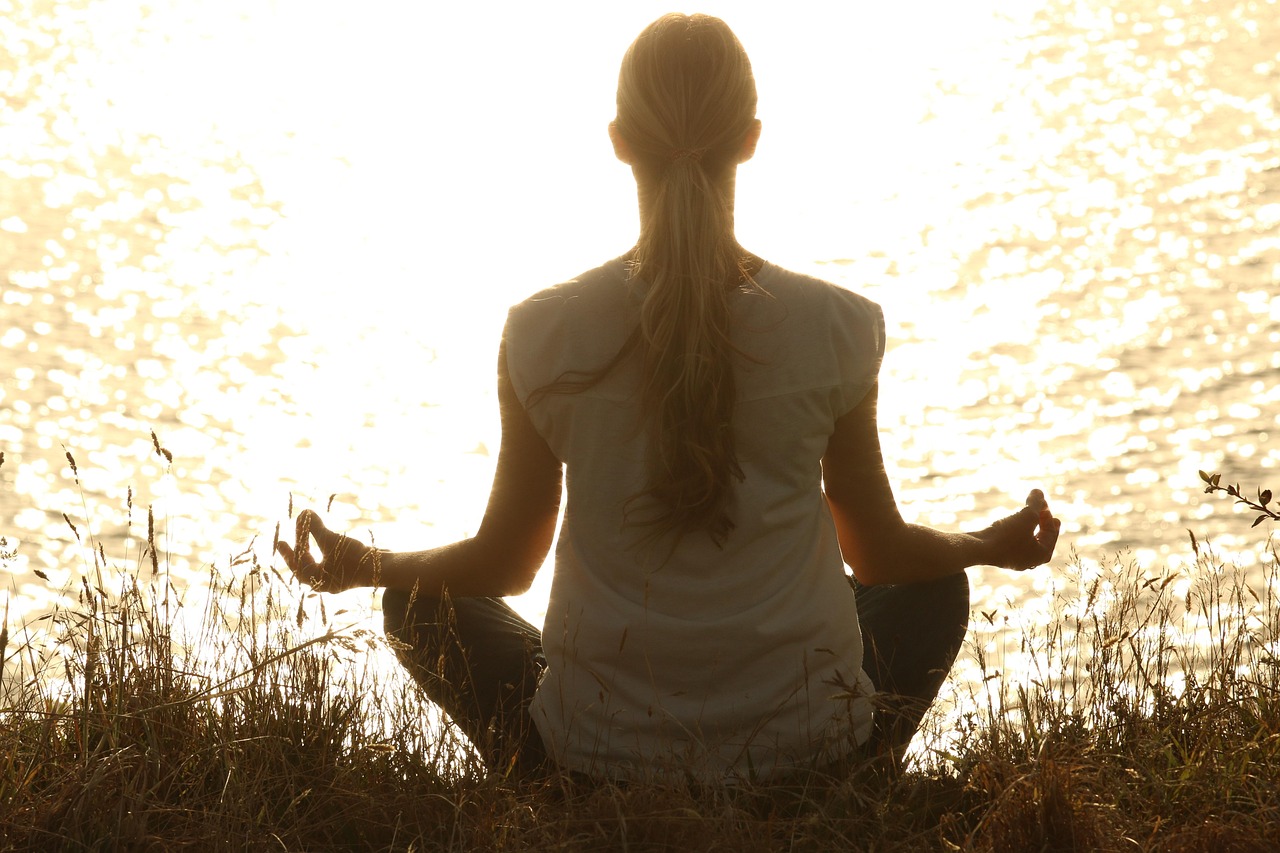

The Role of Yoga in Posture Correction
Yoga has emerged as a powerful tool for posture correction, offering a blend of physical and mental benefits. Practicing yoga regularly can enhance awareness of body alignment and helps in developing strength, flexibility, and balance. By understanding the principles of yoga, individuals can identify their postural issues more effectively. Posture is crucial not only for appearance but also for overall health and comfort. Poor posture can lead to various conditions, such as back pain, neck pain, and even digestive issues. Yoga targets specific muscle groups, facilitating improved posture alignment. The systematic approach of yoga encourages individuals to connect with their bodies by focusing on breath and movement, enabling the correction of postural imbalances. One of the key aspects of yoga practice is the emphasis on core strength, which supports the spine and enhances stability. Additionally, yoga’s meditative nature promotes relaxation and stress reduction, which further aids in posture improvement. Incorporating several yoga poses tailored for posture correction into your routine can yield positive outcomes over time. Carefully chosen poses create targeted engagement, ultimately fostering a healthier and more balanced posture.
Yoga Poses for Posture Improvement
There are several specific yoga poses that are particularly effective for posture improvement. Each pose targets key muscle groups that contribute to better spinal alignment. For example, the Mountain Pose is excellent for establishing a strong foundation and developing awareness of body alignment. By standing tall, engaging core muscles, and grounding through the feet, individuals can set the stage for better posture. Another effective pose is the Cat-Cow Stretch, which promotes spinal flexibility by encouraging movement through the vertebrae. By alternating between these two positions, practitioners can alleviate tension in the back and improve posture. The Child’s Pose also provides gentle stretching of the spine, promoting relaxation and elongation, thereby counteracting hunching. The Bridge Pose strengthens the back, glutes, and hips, offering necessary support for posture correction. Regularly integrating these poses can improve flexibility and strength in targeted areas. Additionally, the Warrior I and Warrior II Poses enhance lower body strength and encourage open chest positioning. Overall, these poses contribute significantly to effective posture improvement.
Engaging in a consistent yoga practice provides numerous benefits that extend beyond simply physical improvements. For instance, one notable benefit is the increased body awareness it fosters. This heightened awareness facilitates a better understanding of personal posture habits, which is essential in correcting poor alignment. As individuals become more conscious of how they hold their bodies throughout the day, they can make small adjustments to mitigate potential harmful postures. Furthermore, yoga encourages relaxation and reduces stress, which directly impacts your posture. Stress often leads to tension in the muscles, causing individuals to adopt a hunch or arch their backs. Therefore, finding stillness on the mat allows for a space to unwind and release this built-up tension. The connection between mind and body emphasized in yoga also nurtures personal growth and self-acceptance. Individuals begin appreciating their body’s capabilities, leading to healthier habits off the mat as well. Engaging with yoga not only corrects posture but offers holistic benefits. Practitioners may notice improvements in focus and mood, thus promoting both mental and emotional well-being along with physical posture.
Integrating Yoga into Daily Routine
Incorporating yoga into a daily routine can significantly contribute to posture correction. Though many people think of yoga as an isolated session, it can also be integrated into existing routines. For instance, dedicating five to ten minutes each morning can set a positive tone for the day. Simple stretches or poses encourage better spinal alignment. Even at work or home, incorporating micro-practices can yield great results. Taking breaks to perform poses like the Standing Forward Bend or Seated Spinal Twist can ease tension and promote circulation, mitigating the effects of prolonged sitting. Another effective method is setting reminders throughout the day to practice mindful breathing while focusing on maintaining good posture. These small adjustments can strengthen muscle memory over time. An evening routine that includes restorative yoga poses such as Legs-Up-The-Wall can alleviate fatigue and encourage relaxation. Creating a yoga-friendly environment by finding a dedicated space for practice further solidifies the commitment. This can enhance motivation and provide a comprehensive approach to posture correction while supporting overall well-being and reducing daily stress levels.
To maximize the benefits of yoga for posture correction, it’s essential to focus on alignment principles during practice. Understanding the foundations of body alignment helps in executing each pose correctly. A qualified instructor can provide guidance on proper alignment and techniques can enhance engagement of the right muscle groups. Wearing comfortable clothing also plays a crucial role in ensuring unrestricted movement, thus allowing individuals to focus on their practice. Additionally, considering external factors such as yoga mats is important too, as the right surfaces can provide support and stability during practice. Hydration is another factor that contributes to a successful yoga session, as it promotes overall body function. Students should encourage their bodies to perform at their best by staying hydrated and nourished. Supplementing yoga practice with complementary activities, such as strength training or pilates, can also yield a holistic approach. Building overall body strength enhances the effectiveness of yoga poses that target postural correction. This multifaceted approach ultimately allows for significant and lasting improvements in posture as well. The commitment to integrating this practice into daily life lays a strong foundation for improved health.
Challenges in Posture Correction
While yoga can significantly aid in posture correction, individuals may face challenges along the way. These challenges vary from physical limitations to mental barriers. For instance, those with past injuries may struggle with certain poses that put pressure on sensitive areas. It is essential to listen to your body, allowing modifications when necessary. Practicing yoga in a supportive environment can contribute positively to overcoming these challenges. Many practitioners seek the guidance of trained instructors to develop personalized practice plans that accommodate their unique needs. Mental obstacles can also hinder progress; maintaining a positive mindset throughout the practice is crucial. Those who become discouraged by slow progress might benefit from celebrating small milestones instead. Setting realistic goals can motivate individuals on their yoga journey, rather than fostering disappointment. Encouraging peer support can also make a significant difference; joining a yoga class creates community and fosters accountability. Exploring various styles of yoga can help find a suitable practice that resonates with individual needs. Likewise, keeping an open mind about adjustments will facilitate the necessary flexibility for significant change. Embracing the challenges presented leads towards growth and better posture.
In conclusion, the role of yoga in posture correction is multifaceted and extensive. The combination of physical, mental, and emotional benefits that yoga offers makes it an exceptional practice for individuals of all backgrounds. By integrating specific poses that focus on strength and flexibility, individuals can tackle postural issues effectively. Daily practice cultivates not only body awareness but also appreciation for one’s health, ultimately leading to better posture. Alongside physical practice, nurturing a positive mindset furthers dedication to maintaining improvements. Overcoming challenges and celebrating small victories can inspire growth. Moreover, enhancing personal motivation through supportive classes encourages continued progress. Emphasizing adherence to alignment principles during practice lays a strong foundation for posture correction. Through consistency and dedication, individuals can witness significant improvements in posture while simultaneously enjoying mental clarity and relaxation. The journey of yoga not only helps correct posture but also fortifies the connection between the body and mind. Connecting with oneself opens the door to healthier habits that extend beyond the mat. Therefore, embracing yoga as a primary component of lifestyle changes is essential for long-lasting posture improvement and overall well-being.
The Bottom Line
Understanding the importance of posture in daily life cannot be overstated. It influences not just physical appearance but also overall health. By integrating yoga into your routine, you can develop stronger awareness, flexibility, and physical strength that contribute to better posture. Consistency in practice is paramount; those who remain dedicated will witness gradual improvements over time. As you continue on this journey, recognize the strong relationship between mental and emotional well-being that accompanies physical changes. Remember, yoga is more than just a physical practice. It’s about cultivating a deeper connection with your body. Every mindful moment spent on the mat enhances overall quality of life and self-acceptance. Inspire yourself by setting achievable goals that encourage you to remain committed, and don’t hesitate to seek support from a community of like-minded practitioners. Each yoga experience is unique, contributing to personal growth that transcends physicality. The commitment to improve posture through yoga opens up pathways for better self-image and self-care. Ultimately, understanding and addressing posture through yoga promotes a healthier, happier you.