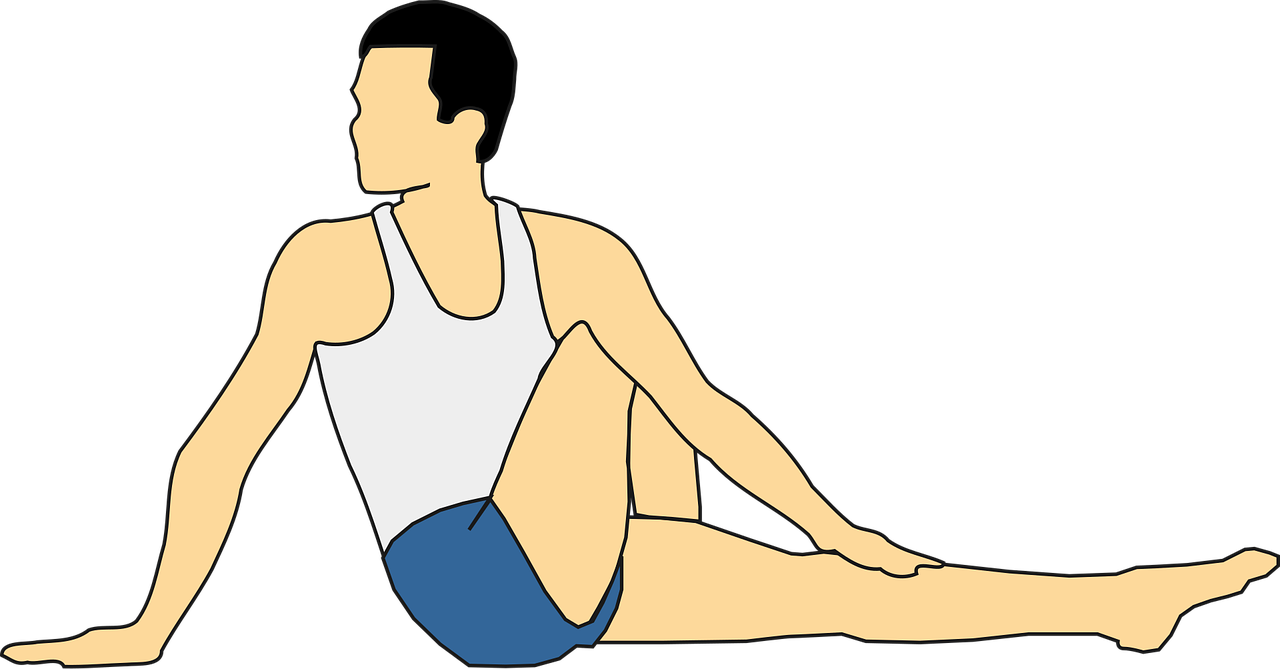

Stretching vs. Warm-Up: What’s Best Before Gym Sessions?
When preparing for a workout at the gym, many individuals often wonder whether they should focus on stretching or a warm-up routine. Both methods aim to enhance performance, prevent injuries, and improve flexibility. However, the timing and type of each vary, influencing athletes differently. Stretching involves lengthening the muscles and improving flexibility, which can be beneficial post-workout. On the other hand, the warm-up process increases blood flow, raising body temperature and heart rate. It typically includes low-intensity aerobic activities, designed to get the body gradually ready for the intense workout ahead. It’s crucial to understand which method may be best suited for optimal results. While static stretching is usually advised against before workouts as it may decrease strength and power, dynamic stretching can be a viable alternative in activating the muscles beforehand. Preparatory activities such as leg swings and arm circles can promote muscle engagement without fatigue. Knowing the right approach increases overall gym effectiveness, ensuring that individuals can perform at their best while minimizing the risk of injury.
The debate often boils down to personal preference and specific fitness goals. Athletes engaging in strength training may benefit from a warm-up that supplies maximum blood flow through dynamic movements. While yoga enthusiasts might prioritize stretching beforehand to promote flexibility. Moreover, the type of workout also dictates the ideal routine. For endurance training, a warm-up can be critical to prepare the cardiovascular system. This may involve gradual jogging or cycling on stationary equipment. Conversely, those undertaking heavy weightlifting could find that a thoughtful mix of stretching and warm-up plays a crucial role. While static stretches might seem beneficial, they can hinder the explosive performance needed for maximum attempts. Dynamic stretches, however, might effectively prevent injury while increasing muscle elasticity. In some instances, both practices can coexist, yielding benefits when prioritized according to the overall workout strategy. Therefore, understanding one’s unique fitness needs will guide individuals in choosing the right preparation method for their upcoming gym sessions, ensuring optimal performance and reduced injury risk.
Understanding Stretching Types
Stretching can mainly be categorized into two types: static and dynamic. Static stretching is characterized by elongating a muscle and holding that position for a specific duration. This technique is widely utilized post-exercise to alleviate muscle tension and enhance flexibility. Dynamic stretching differs significantly as it involves the movement of muscles and joints through their range of motion. These stretches are beneficial before workouts as they activate the muscles needed for strenuous exercise. Incorporating exercises such as leg kicks, torso twists, and high knees into a warm-up routine exemplifies dynamic stretches effectively. Another classification is active versus passive stretching. Active stretches occur when you contract one muscle to stretch an opposing muscle, while passive stretching involves an external support mechanism. Awareness of these distinctions enables athletes to customize their routines effectively. Implementing both static and dynamic stretches students can balance flexibility with strength, ensuring comprehensive fitness outcomes. Therefore, recognizing the differences helps individuals optimize the warm-up process, tailored to their particular workout requirements, ensuring maximum effectiveness.
Warm-up routines, while seemingly straightforward, carry their own nuances for maximum effectiveness. A well-structured warm-up can significantly improve athletic performance by engaging muscle groups relevant to the workout planned. This process not only enhances strength but also improves flexibility through increased blood circulation. Pre-workout warm-up durations should ideally range from 5 to 15 minutes and vary according to activity intensity. When initiating a warm-up, start with light cardiovascular exercises such as jogging or rowing to raise the body’s core temperature. Gradually transition into more specific drills that mimic workout actions to further activate associated muscle patterns. Ultimately, optimizing the warm-up involves scaling intensity and specificity based on individual fitness levels. For example, athletes in competitive sports may require more extensive warm-ups, whereas casual gym-goers can adapt the time spent according to their exertion levels. Additionally, proper warm-ups help considerably in delaying muscle fatigue and elevating overall workout performance by stimulating muscle elasticity and joint mobility. By tailoring a warm-up to specific workout types, gym enthusiasts can prepare their bodies more effectively for the impending physical challenges.
The Impact on Performance
Both stretching and warm-up practices contribute significantly to enhanced overall performance. Engaging in targeted muscle activation through dynamic warm-ups yields instant benefits, including improved coordination, agility, and reaction times. Conversely, proper stretching routines maintain long-term flexibility, crucial for sustained performance. Integrating both methodologies encourages a balanced approach, maximizing the ability of athletes to enhance their skills. For instance, while jumping exercises may boost heart rates quickly during warm-ups, static stretches may be more beneficial following a workout to combat soreness. Additionally, prevention of injuries remains a primary concern for gym-goers and athletes alike. Progressive loading through warm-up routines effectively prepares muscles for consistent exertion, significantly reducing injury risks. Furthermore, by systematically addressing these individuals’ specific issues, they can rapidly recover muscle strength and flexibility. Ultimately, the benefits reveal how warming up can be just as essential as post-workout stretching. Developing both practices into a comprehensive gym routine allows for optimal performance while promoting mental readiness to tackle the workout ahead.
Understanding personal fitness goals can help determine which method to prioritize before a workout. While both stretching and warm-up routines remain integral for different reasons, personal preferences play a significant role in effectiveness. Experienced athletes may find that a tailored routine combining elements of both provides the best outcomes. For those that prefer lighter workouts, a gentle warm-up with added stretch could be sufficient. However, athletes gearing up for high-intensity training might lean more heavily on warm-up exercises highlighting muscle engagement. Additionally, focusing extensively on flexibility through routine stretching might better suit those aiming for improved yoga or dance performance. As such, addressing specific fitness aims allows individuals to find a personalized approach that resonates with their aspirations. Prioritizing either methodology requires engagement with the body in its entirety; routines should reflect the purpose of training and anticipated outcomes. Therefore, determining whether to favor stretching or warm-up practices precedes effective workout preparation. Neither stretches nor warm-up routines should be overlooked but can meld successfully based on personal fitness insights.
Conclusion
The age-old debate surrounding stretching versus warm-up for gym sessions does not have a one-size-fits-all solution. Both practices hold their advantages and potential drawbacks, ensuring gym-goers implement strategies that yield personal benefits. By understanding the differences between stretching methods and dynamic warm-ups, individuals can enhance their performance while eliminating risks. Tracks guided by fitness goals, injury history, and personal preferences may determine which preparation method is adopted before working out. In conclusion, prioritizing effective warm-ups can contribute significantly to improved performance, while engaging in targeted stretches post-workout ensures muscle recovery and long-term flexibility. Individuals should not shy away from experimenting with diverse approaches and gathering insights on how different practices affect their workouts and physical readiness. Through this understanding, gym enthusiasts can build routines engaging both stretching and warm-up strategies cohesively, prolonging athletic longevity while continually enhancing performance by nurturing flexibility and overall physical health.