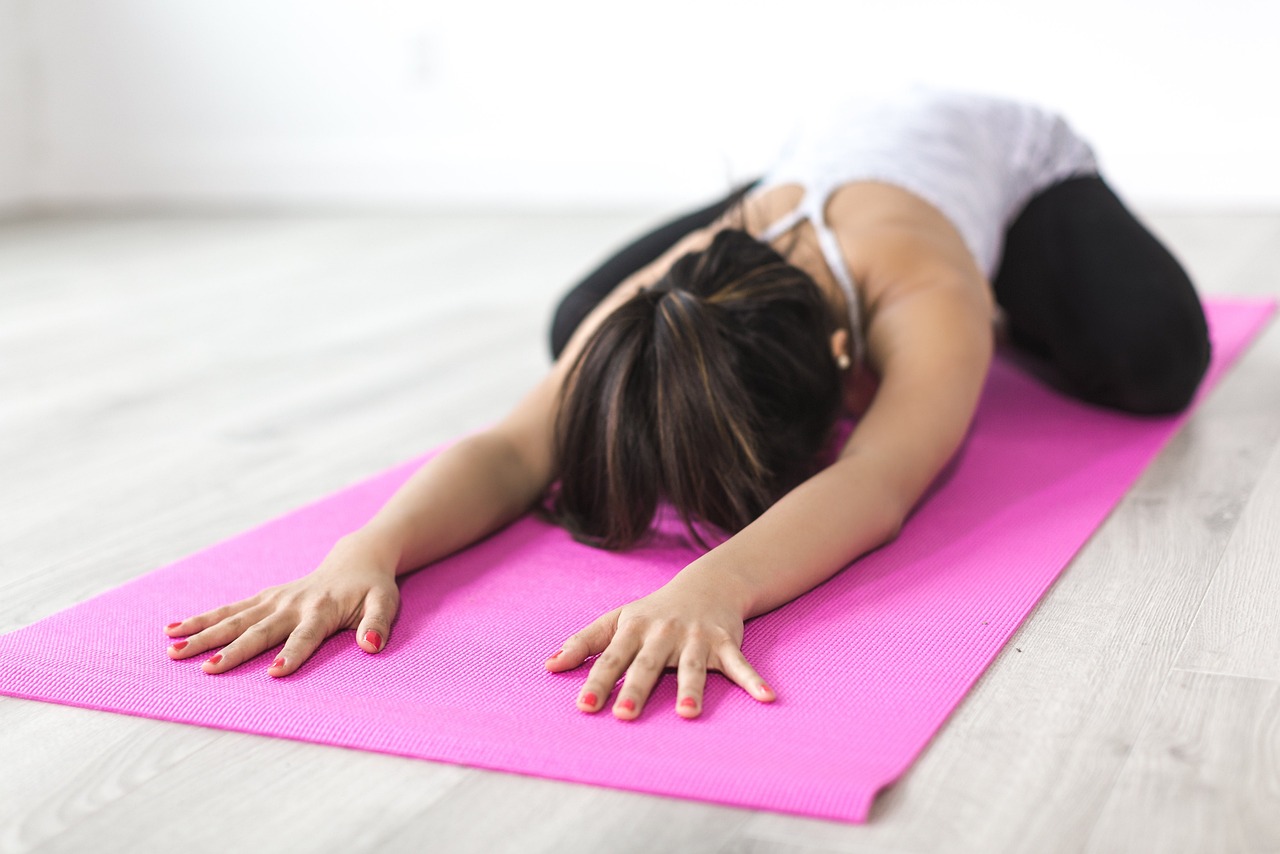

Meditative Movement: Combining Gentle Yoga and Mindfulness for Older Adults
As we age, maintaining physical health becomes increasingly crucial. Gentle yoga, particularly designed for seniors, facilitates this by incorporating mindful movement. Each pose aligns breathing with gentle stretches, promoting flexibility and balance. This approach not only strengthens the body but also soothes the mind, fostering a sense of peace. In a typical session, participants can engage in a series of modifications ensuring comfort. This adaptation can significantly reduce the fear of injury, encouraging more seniors to explore yoga. Additionally, the slow-paced nature invites mindfulness practice, allowing participants to fully experience each moment. In doing so, they can cultivate self-awareness and presence. Combining gentle yoga with mindfulness can offer outstanding benefits, including reducing anxiety and stress levels, thus improving overall well-being. Engaging in regular practice fosters a routine beneficial for both body and mind, vital for aging adults. For older adults, this means promoting longevity and quality of life. Consider incorporating gentle yoga into your daily routine, as the rewards can be transformative. Keep your mind and body connected, and embark on this enriching journey of health and wellness.
The Benefits of Gentle Yoga for Seniors
Participating in gentle yoga certainly provides remarkable benefits for seniors. It offers a low-impact method to improve strength, flexibility, balance, and coordination. Additionally, the practice encourages relaxation and can significantly ease physical discomfort, reducing chronic pain levels. Unlike traditional workouts, gentle yoga focuses on smooth transitions between poses aiding muscle adaptation without overwhelming the body. As flexibility improves, seniors can experience an increased range of motion, which is crucial for daily activities. Moreover, coordination becomes essential; this practice cultivates both mind-body awareness and spatial orientation. It also strengthens cognitive functions, combating age-related memory decline. Instructors often emphasize proper breathing techniques, serving as a foundation for mindfulness. This mindful breathing not only calms the nervous system but also enhances clarity. Participants often report feeling more connected to themselves and their surroundings. Beyond physical improvements, the social aspect of yoga helps combat loneliness and fosters community. Class interactions enable friendships to blossom, which can boost emotional well-being. Ultimately, gentle yoga provides an avenue for seniors to nurture their physical and mental health in a supportive environment. Exploring these benefits can lead to a more fulfilling and enriching life experience.
A key aspect of practicing gentle yoga is proper alignment. Seniors should prioritize learning correct poses and movements, helping to avert potential injuries. Instructors typically provide personalized guidance, ensuring each participant feels confident. Modifications play a significant role; they offer access to poses which might otherwise feel unattainable. Using props like blocks, bolsters, or straps allows safety and comfort during practice. Also crucial is the emphasis on pacing with one’s breath. Synchronizing breath with movement ensures a deeply restorative experience, enhancing relaxation responses. Additionally, listening to one’s body is fundamental; every practitioner should feel empowered to adjust practices as necessary. Some may find particular poses invigorating, while others experience discomfort requiring modifications. Staying attuned to individual limits promotes self-care and reflects mindful practice. This self-awareness improves both the yoga experience and overall life. Furthermore, establishing a personal routine enhances commitment towards ongoing practice, deepening understanding of movements. As comfort increases, the opportunity to try new poses may arise. This encourages growth and learning, wherever participants find themselves on their journey. Integrating gentle yoga into everyday life can significantly contribute favorably to seniors’ physical and emotional well-being.
Mindfulness in Yoga Practice
Mindfulness enhances the experience of yoga for seniors, offering profound health benefits. By concentrating on the present, individuals can transcend habitual thoughts and worries, cultivating a calming mental space. This intention transforms each class into a meditative sanctuary, where movement becomes poetry. Each breath further guides this flow, encouraging awareness of both body sensations and emotional states. For seniors, this integration allows exploration of emotions, such as stress or anxiety, without judgment. Establishing this passive awareness cultivates resilience, promoting improved emotional responses during daily life. Practicing mindfulness techniques, like concentrating on the breath or focusing on sensations, helps ground participants. Also, gentle affirmations serve to bolster positivity and self-compassion. The act of practicing self-kindness can be a revelation during class, reshaping thoughts and encouraging self-acceptance. Furthermore, problems faced during daily life seem less formidable when viewed through a mindful lens. Seniors may find that yoga not only enhances physical flexibility but cultivates mental agility. The rewards extend beyond classes into everyday experiences. Therefore, fostering mindfulness together with gentle movement can lead to enhanced life quality and well-being. Committing to this approach creates a holistic practice transforming lives.
Incorporating mindfulness practices during yoga strengthens the connection between body and mind. Seniors can emphasize meditative breathing and presence exercises throughout each class. This presence encourages observing thoughts without engagement, allowing distractions to fade. Such practices foster emotional regulation while enhancing focus, resulting in reduced anxiety and improved mood. Creating rituals of gratitude, reflection, or intention-setting before class lay a solid foundation for each participant. These moments instill peace, promoting a positive approach to life. Additionally, professionals often suggest journaling experiences post-session to reflect deeper learning. Documenting thoughts nourishes progress, revealing deeper insights about oneself and one’s experiences. This reflection encourages the deepening of individual practices, leading to personal growth. Furthermore, many yoga classes incorporate gentle music or nature sounds enhancing serenity. This auditory backdrop fosters relaxation and immersion in the practice. Listening to calming melodies can facilitate deeper connections during movement, enriching the experience. Engaging with these elements together—with awareness and intention—encapsulates the essence of yoga. Consequently, this approach highlights the transformative potential of gentle yoga, especially when integrated with mindfulness practices tailored to the unique needs and preferences of seniors.
Tips for Practicing Gentle Yoga Safely
Safety remains paramount for seniors engaging in gentle yoga. Prioritizing physical health established through proper teacher qualifications and certifications ensures participants’ wellbeing. Instructors specializing in senior care provide awareness of relevant considerations. Establishing an environment conducive to learning includes optimizing class formats; small groups often enhance attention and feedback opportunities. Knowing one’s limits can prevent unnecessary injuries, making communication with instructors crucial. Participants should openly express any discomfort or medical concerns, ensuring personalized practices prioritized. Listening to the body—adjusting poses or resting when needed—remains essential through every practice. Gradually introducing new poses can also cultivate a proactive approach toward learning and safety. Additionally, practicing in a well-ventilated space can enhance comfort, ensuring an easier flow of breath. Using supportive props maintains proper form and comfort, preventing excess strain. Utilizing yoga mats with adequate cushioning contributes to minimizing stress on joints. Moreover, incorporating stretches and relaxation techniques specifically tailored for seniors’ bodies fosters sustainable engagement. Ultimately, establishing safe practices enriches the entire yoga journey, allowing seniors to explore their limits while remaining mindful of their health. Embracing this delicate balance creates profound, lasting impacts on quality of life.
Regular gentle yoga practice encourages building community and connections among seniors. Joining classes nurtures friendships, combating loneliness while creating support systems. Additionally, sense of belonging remains vital for overall well-being; fostering these connections contributes to happiness. Many participants often report feeling renewed joy attending classes, both through movement and camaraderie. Engaging with others also enhances accountability; partners encouraging one another form bonds that enrich their practices and life. Planning post-class gatherings or social events may deepen these relationships further. Shared experiences uniting participants through laughter and companionship become invaluable. Many communities now offer specialized yoga programs aimed at older adults, providing access to knowledgeable instructors. Staying engaged opens avenues for shared learning, organically enriching lives. Furthermore, local events, workshops, and retreats inspired by gentle yoga foster an immersive experience. These opportunities allow seniors to travel together, creating memorable experiences while expanding their horizons. Exploring area wellness centers broadens perspectives on holistic health. The ripple effect nurtured through shared practices can extend into families, encouraging healthier environments. Transitioning towards holistic approaches supports mindful living, showing the significant societal impact of dedicated practices. Consequently, gentle yoga might not only be beneficial but also an essential part of creating vibrant lives.
In conclusion, embracing gentle yoga and mindfulness significantly enhances life for seniors. These practices combined foster a balanced life fostering both physical and emotional well-being. Gentle yoga opens pathways toward understanding one’s body and exploring individual capabilities. Furthermore, incorporating mindfulness ignites awareness that transcends yoga mats, extending into daily life. Regular practice encourages participants toward reflection and personal growth, promoting deeper connections with self and others. Moreover, the collaborative community built through shared practices emphasizes support, nurturing friendships that enrich lives significantly. Ultimately, these practices allow seniors to engage more fully with each moment, offering the gift of presence. Whether through breath awareness, adjustments in poses, or connection with others, gentle yoga renders lasting transformations. Creating a positive ripple effect fosters a holistic approach to aging gracefully, nurturing happiness and longevity. Actively promoting gentle yoga can empower seniors to remain resilient, adaptable, and engaged as they navigate seamless transitions in life. Therefore, bringing these practices into daily routines can profoundly influence experiencing aging. Overall, making gentle yoga and mindfulness intertwined to enhance quality of life for older adults presents a valuable endeavor toward embracing positive experiences during this stage of life.