
Mastering the Freestyle Stroke in Swimming Lessons
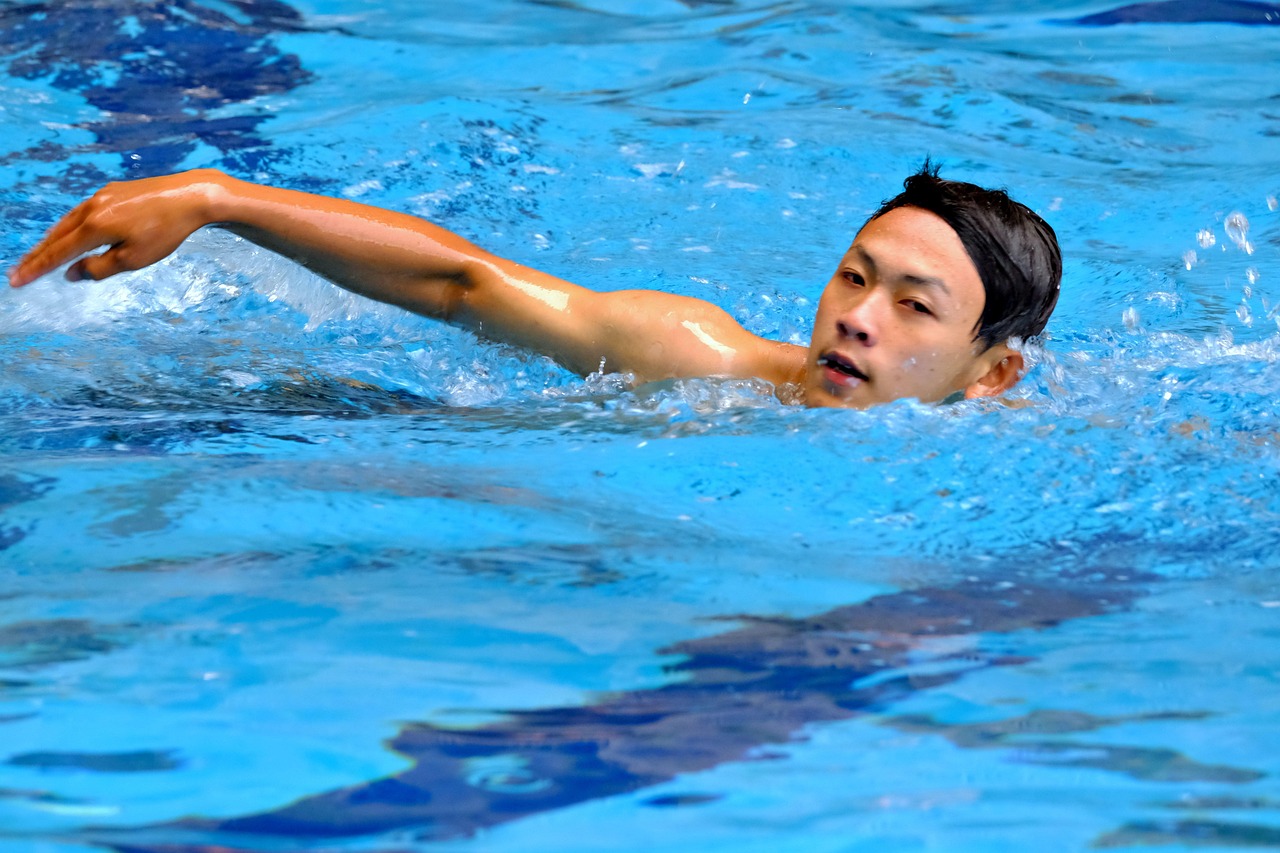
Swimming is an essential life skill and mastering the freestyle stroke is critical for all aspiring swimmers. The freestyle, also known as the front crawl, is the fastest stroke and often the first taught in swimming lessons. It’s important to understand the fundamentals of freestyle swimming to improve efficiency in the water. Proper body alignment, breathing techniques, and arm and leg movements are essential elements that contribute to a strong freestyle stroke. In swimming lessons, instructors usually guide students through various drills designed to enhance their skills. Beginners should focus on body position; a horizontal alignment helps reduce drag. Breathing can be tricky, but practicing to rotate the head while keeping the body streamlined is key. Also, arms should enter the water parallel to the shoulder, while the legs should be straight and mimic a flutter kick. Each part of the stroke must be practiced to achieve a smooth, continuous motion. As students progress, practicing with a coach’s guidance can bolster their confidence and technique. With time and practice, mastering the freestyle stroke can lead to improved swimming performance and overall enjoyment in the water.
One of the key components of mastering the freestyle stroke is understanding the correct breathing technique. Breathing is essential for sustaining energy and maintaining rhythm while swimming. In freestyle, swimmers should exhale underwater to ensure a continuous flow of air and minimize disruptions during the stroke. Timing the breath with the arm movements is crucial; as one arm recovers, the swimmer should rotate their head to the side to inhale. This technique can be best achieved by practicing bilateral breathing, which involves turning the head to both sides. Not only does it promote even muscle development, but it also improves a swimmer’s ability to swim straight and navigate effectively. Additionally, having a strong core stabilizes the body, allowing for more efficient strokes and reducing fatigue over time. To develop core strength, swimmers can engage in exercises such as planks or pilates. Gradually, incorporating these elements into practice elevates the overall effectiveness of the freestyle stroke. Instructors often recommend practicing in shorter intervals, focusing on specific components before putting everything together for longer swims. This focused approach helps accelerate learning while instilling confidence in new swimmers.
Fundamental Techniques for Freestyle
Certain techniques play an integral role in mastering the freestyle stroke, ensuring swimmers use correct form. Initially, body position is critical; swimmers should maintain a horizontal line in the water to reduce drag and enhance speed. A small tilt in the head keeps the body aligned, preventing excess energy expenditure. Proper arm mechanics involve entering the water with the fingertips first, smoothly extending the arm before entering the recovery phase. Furthermore, the arm pull should be dynamic, involving a catch phase where the hand quickly grabs the water, followed by a strong pull phase towards the hip. During this movement, the elbow should be higher than the hand. The flutter kick provides additional propulsion; swimmers should maintain a relaxed yet quick kick, originating from the hips rather than the knees. This keeps energy expenditures low as the legs stay close to the surface. Coordination between the legs and arms is also critical; swimmers should aim for a continuous leg movement that complements the pull and recovery phases of the arms. Practice combining these techniques through various drills enhances proficiency and allows swimmers to internalize movements better.
Another vital aspect of mastering freestyle is developing endurance and speed through consistent practice. Swimmers should gradually increase the distance they swim, cultivating stamina. Creating a training plan can be beneficial; swimmers can alternate between short, fast swims focusing on speed and longer swims concentrating on endurance. Including drills that target strokes various parts of the freestyle, such as catch-up drills, can improve synchronization among movements. Interval training is essential as it trains the body to recover quickly between efforts. With time, this type of training builds respiratory capacity and overall endurance. It can also be effective to incorporate exercises out of the water that mimic swimming motions, such as resistance band practices or dryland workouts. These activities promote muscle engagement that translates to improved performance in the pool. Additionally, analyzing techniques through video playback provides valuable insights for swimmers to adjust their form. Peer feedback can also yield recommendations for improvement. Swimming in groups or with a partner fosters accountability while increasing motivation levels. Regular assessments of progress encourage swimmers to set achievable goals, ultimately leading to a greater enjoyment of swimming.
The Role of Drills in Learning
Drills play a vital role in developing the efficiency and mechanics of the freestyle stroke. They focus on specific components, helping swimmers refine their skills through repetitive practice. For instance, practicing drills like one-arm freestyle isolates each arm’s motion, allowing individuals to concentrate on their technique without overexerting themselves. Swim lessons often incorporate various drills that assign priorities, such as improving kick efficiency, boosting arm strength, or enhancing breathing patterns. By segmenting these techniques into manageable pieces, swimmers can develop better muscle memory, ultimately enabling them to swim more fluidly. Other drilling techniques, like the catch-up drill, reinforce timing and distance per stroke. This drill works by extending one arm fully while the other remains in the recovery phase, promoting streamlined movements. To increase variations, swimmers can add buoyancy devices or fins, enhancing core engagement and hydrodynamics. Also, alternating between fast-paced drills and slower, technique-oriented practices maintains engagement while ensuring a comprehensive approach to learning. Consistency in practice yields significant results, leading to confident swimmers who navigate the water efficiently while maintaining a strong performance in races.
Understanding the impact of body mechanics is crucial in perfecting the freestyle stroke. The alignment of the body significantly contributes to speed, agility, and endurance. Maintaining a flat, streamlined position both aids in minimizing resistance while stroking. Swimmers should also engage their core muscles, which are instrumental for stability as they swim. A strong core stabilizes the pelvis, leading to effective hip rotation. Notably, failing to engage the core can hinder propulsion, distracting from arm and leg movements. Moreover, the legs should remain close to the water’s surface, as excessive splashing or kicking creates drag. Engaging in underwater kick drills enhances the lower body’s strength and efficiency while teaching proper breath control during swims. To improve overall body awareness, swimmers can utilize swim fins that promote careful hip and leg extension. Moreover, experimenting with different breathing patterns, such as breathing after every stroke compared to every third stroke, can reveal preferences that enhance comfort. Ultimately, developing a solid understanding of body mechanics fosters confidence and improves the overall technique, making swimming less superficial and more enjoyable in the long run.
Overcoming Common Challenges
Many swimmers encounter challenges when mastering freestyle strokes; addressing these issues can lead to significant improvement. Common hurdles include difficulty breathing, loss of stroke rhythm, and fatigue. For those struggling with breath control, practicing bilateral breathing and incorporating specific drill sets can bolster confidence in the water. Additionally, persistent work on the timing of breath with arm movements ensures a smoother stroke pattern. Swimmers may also find strokes become less efficient due to fatigue; assessing stamina levels and increasing workout durations can help build endurance. Combining rest intervals effectively in a training program prepares the swimmer both physically and mentally for longer swims. Another frequent issue is discomfort with the freestyle stroke itself; persistent practice and gradually increasing difficulty can reduce anxiety about execution. Swimmers should also rely on their instructors for personalized feedback, which provides encouragement and practical strategies. For many new swimmers, social support plays a crucial role, creating a bond that motivates both enjoyable and critical practice. Building relationships encourages regular attendance at lessons, ultimately translating to mastery and improvement over time. With determination and focus, overcoming fitness obstacles and building proficiency leads to enhanced swimming abilities.
In conclusion, mastering the freestyle stroke is a comprehensive journey that requires dedication, consistent practice, and guidance. Swimming lessons must emphasize core techniques, breath control, and body mechanics to develop strong swimmers equipped with the tools necessary for success. Through well-designed drills, thoughtful feedback, and incremental challenges, swimmers progressively master the strokes, transforming their skills to navigate water efficiently. Setting realistic goals creates incremental achievements that fuel motivation and enjoyment in swimming. By fostering a supportive community through lessons, swimmers build relationships that encourage growth and progress throughout their journey. As swimmers cultivate confidence, endurance, and mastery of essential techniques, their experiences in the water can lead to a lifelong passion for swimming. Additionally, the physical benefits gained through swimming, including cardiovascular health and muscle development, contribute positively to overall well-being. Lastly, as swimmers refine their strokes and progress, they can explore competition opportunities or simply enjoy recreational swimming. Continuing education in swimming often presents various pathways that enhance the aquatic experience. Embrace each lesson as a stepping stone toward mastery as swimmers journey to perfection in the freestyle stroke. Enjoy the process, while always striving for improvement!